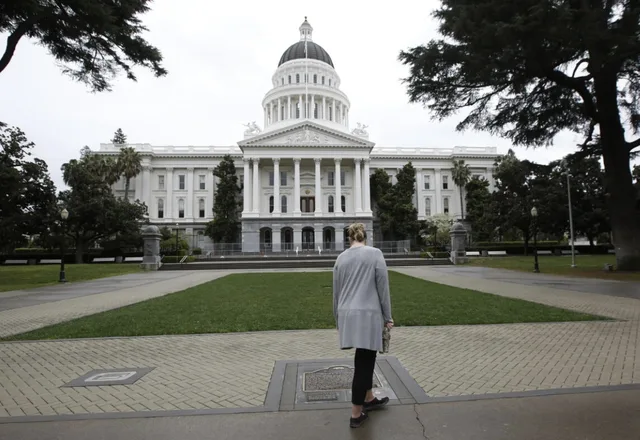
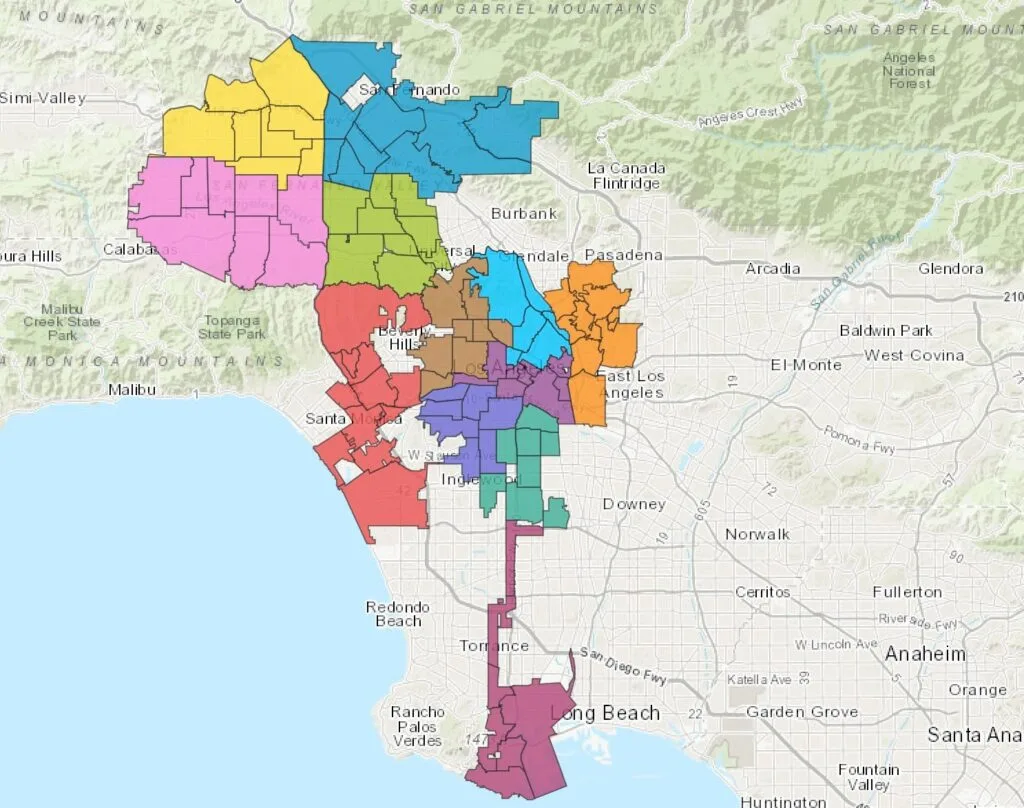
In Los Angeles, street repairs and pedestrian safety top the priority list for some communities, while others are preoccupied with development, public transit, access to green spaces, or utility reliability. But how do everyday residents make their voices heard at City Hall? That is where Neighborhood Councils step in—grassroots advisory bodies that bridge local communities with municipal government. They debate neighborhood issues, build consensus, submit recommendations for the city budget, and publicly endorse or challenge specific political decisions. The system encompasses 99 councils, each representing a district of roughly 40,000 residents on average. Read more on layes.

Why Were Neighborhood Councils Created?
The Neighborhood Council system emerged in the late 1990s, when grassroots representation became a central battleground in debates over how Los Angeles should be governed. Sprawling across vast terrain, the city is a patchwork of communities that differ dramatically in zoning, demographics, economic vitality, and infrastructure needs. Blanket policies drafted inside City Hall rarely accounted for the distinct realities of each district.
In 1999, Los Angeles voters approved an overhaul of the City Charter. The reformed charter mandated a citywide network of neighborhood councils alongside a dedicated department to help organize their work. The core mission was straightforward: expand civic participation and make city leadership far more responsive to local concerns.
The vision was to give communities an organized voice that went beyond filing individual complaints or speaking at occasional public hearings. Each area needed a permanent civic body capable of gathering neighborhood input, vetting it in open public debate, and presenting a unified front to city agencies.
How Do Neighborhood Councils Work?
A Neighborhood Council is a city-certified advisory body that represents stakeholders within a designated area of Los Angeles. Councils convene open public meetings, debate matters of local importance, take official votes, and deliver recommendations to elected officials. Each council establishes its own operating bylaws and elects its own governing board. To retain official certification, councils must keep meetings open to the public, invite broad community participation, maintain regular communication with local stakeholders, and ensure full financial accountability. These standards are anchored in the City Charter and municipal administrative codes.
In practice, a council serves as a town hall forum where residents weigh in on planned developments, traffic congestion, park maintenance, street lighting, public safety, and service delivery. It can also advocate directly to municipal departments, pushing for immediate action on priority neighborhood concerns.
Who Can Participate in Neighborhood Councils?
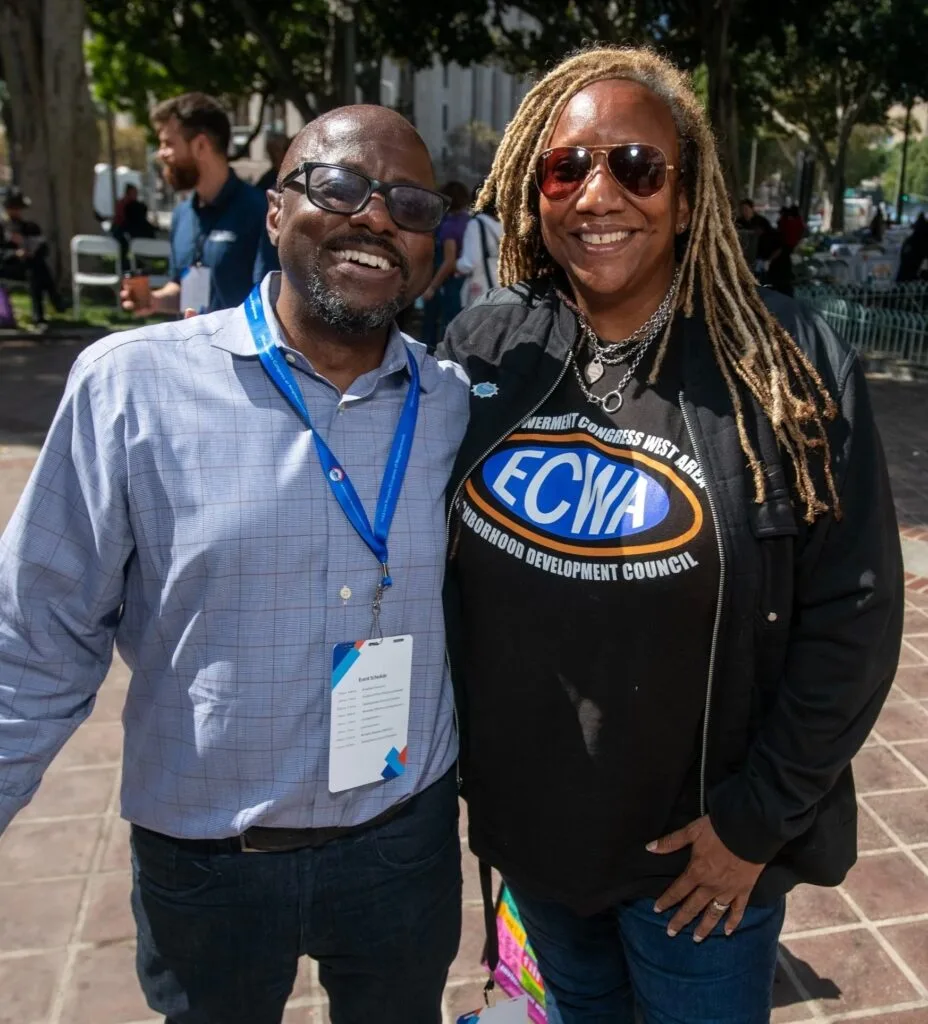
A distinctive feature of the Neighborhood Council system is that civic participation is not restricted solely to registered voters or permanent residents. Instead, the framework centers on the concept of a "stakeholder"—anyone with a direct, tangible connection to the area. Stakeholders include residents, local workers, business owners, property owners, and representatives of community organizations recognized by each council’s bylaws and city guidelines.
This inclusive definition brings people who spend much of their day in a neighborhood into the conversation, even if they sleep elsewhere. For instance, an employee commuting to a local business has a stake in transit safety, while a store owner cares about street cleanliness and parking access.
The entire system is coordinated by the Department of Neighborhood Empowerment, commonly known as EmpowerLA. This municipal agency supports councils, champions civic participation, and provides administrative guidance to volunteer board members. Other city bodies play key roles as well: the Office of the City Clerk manages administrative workflows and elections, while the City Attorney’s Office provides legal counsel. This dual reality shapes the system: on one hand, councils gain training, operational support, and direct access to power; on the other, they must navigate strict municipal rules and remain dependent on administrative oversight.

How Do Neighborhood Councils Influence City Decisions?
The real leverage of Neighborhood Councils lies not in issuing legally binding mandates, but in their formal standing to inject grassroots input into the city's decision-making pipeline.
The Los Angeles City Charter outlines explicit mechanisms to guarantee that access. Section 907 mandates early-warning procedures so councils receive notice of items scheduled before the City Council, its committees, and municipal commissions—granting them a fair opportunity to review issues and weigh in before votes take place. Another essential tool is budgetary input. Under Section 909, every council may submit an annual list of budget priorities to the Mayor and City Council. City Hall notifies certified councils of filing deadlines well in advance, giving communities a formal channel to secure funding for local needs during budget drafting.
One of the most consequential tools at a council's disposal is the Community Impact Statement (CIS)—an official resolution outlining how a pending city proposal will affect the neighborhood. Through a CIS, a council can formally endorse an initiative, register strong opposition, or propose constructive amendments. Unlike a personal letter or an online petition, a CIS represents an official position debated and adopted according to formal public procedures.
The practical advantage of a CIS is that it institutionalizes the neighborhood's voice, entering it directly into the legislative file. Councilmembers and city staff are faced not with vague public discontent, but with a structured, documented consensus. If a planned real estate development threatens to paralyze local traffic, the council can convene a public hearing, deliberate on the merits, and submit an official CIS. While the document does not impose an automatic veto, it places community objections firmly on the official record, making them impossible for lawmakers to casually brush aside.
Do Neighborhood Councils Have Real Power in Los Angeles?
The answer hinges on how you define power. If power means the authority to pass enforceable laws, command city departments, or allocate multimillion-dollar budgets, Neighborhood Councils possess no such mandate. Their role is strictly advisory, with final legislative and executive authority resting squarely with elected and appointed city officials.
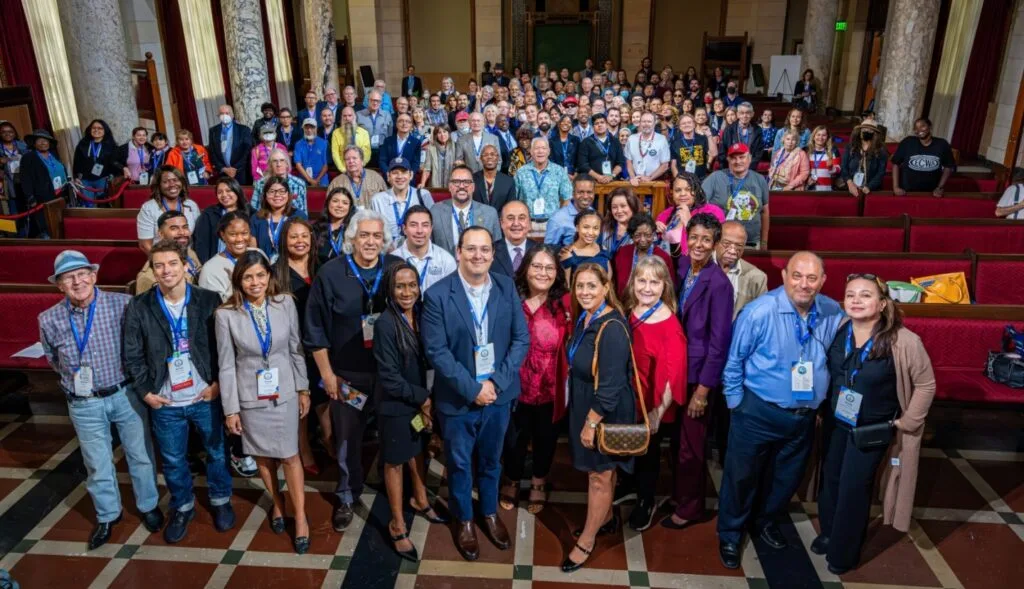
Yet if power means setting the civic agenda, organizing local residents, articulating community priorities, and shaping public debate, neighborhood councils hold genuine influence. By submitting Community Impact Statements, advancing budget proposals, and monitoring public services, they regularly force attention onto local problems that City Hall might otherwise overlook.
The neighborhood voice does not override a City Council vote or curtail the Mayor's executive authority. What it does is bring city decision-making out into the open—giving Angelenos a permanent, structured platform to make themselves heard long before quiet frustration boils over into public outrage.
Наступна статтяThe City’s Shadow Cabinet: How the Los Angeles County Federation of Labor Shapes City Hall’s Agenda