Recalling elected officials is one of the core mechanisms of direct democracy, giving voters the power to cut a politician's term short. Los Angeles played a foundational role in establishing this practice across the United States. At the dawn of the 20th century, the city emerged as an epicenter of progressive political reform aimed at dismantling corruption and curbing the unchecked influence of political elites. The recall mechanism eventually expanded statewide across California, and the historic 2003 election turned it into a nationwide sensation. Read more on chicago-yes.
What Is a Recall and How Does It Work in the United States?
A recall is an electoral procedure allowing citizens to remove an elected official from office before their term expires. Unlike regular elections, where voters evaluate leaders only after their full term concludes, a recall lets the electorate reconsider an official's mandate at any point. Within the U.S. political system, recalls serve as an instrument of direct democracy, supplementing traditional representative governance where citizens delegate authority for a set period. Depending on state law, recalls can target governors, state legislators, members of city councils, mayors, and other public servants. In California, the procedure is enshrined in the state constitution and governed by election law.
The defining feature of a recall is that voters do not have to wait for the next scheduled election cycle. If petition organizers collect enough valid signatures and meet statutory requirements, the question of early removal goes directly to a vote. However, initiating the process does not guarantee an official's ouster: organizers must first navigate strict procedural hurdles, verify their petitions, and ultimately win majority support at the ballot box.
Why Did Los Angeles Become the Epicenter of Recall History?
The origins of the modern recall system in the U.S. are deeply rooted in the Progressive Era reforms of the late 19th and early 20th centuries. At the time, public outrage was sweeping American cities over machine politics, graft, the monopolistic influence of railroad corporations, and questionable backroom decisions by local governments.
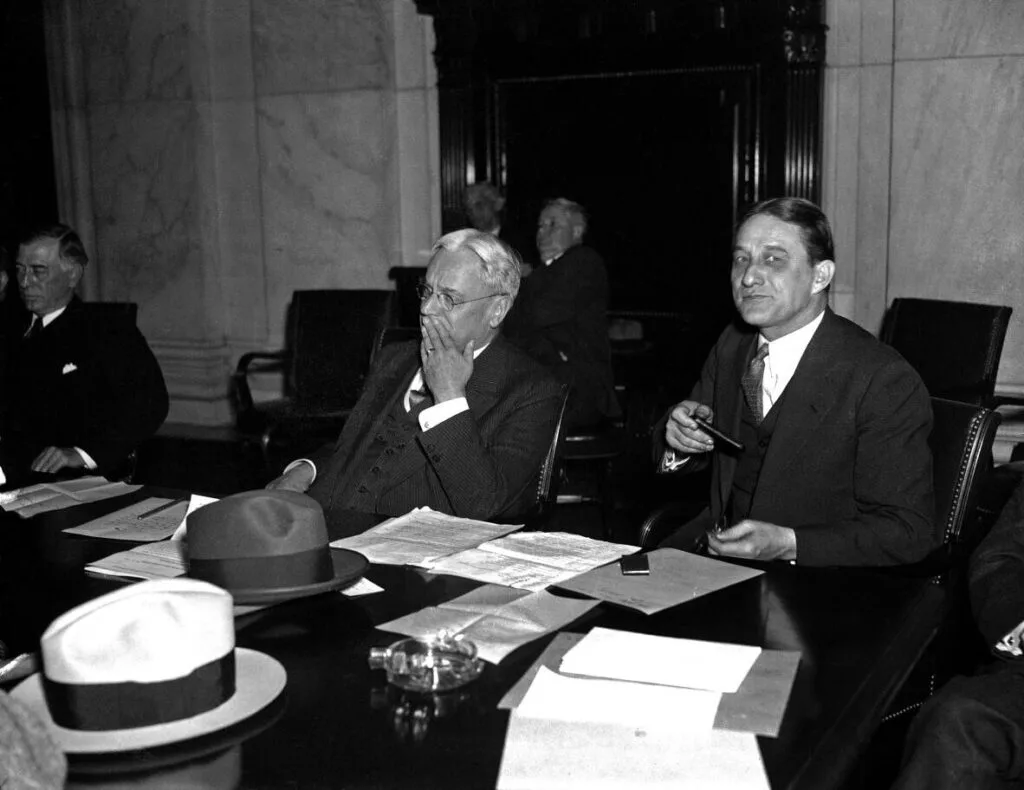
In Los Angeles, physician and civic reformer Dr. John Randolph Haynes championed the movement for change. In 1898, he proposed incorporating a recall mechanism into the municipal charter. Haynes believed voters needed a direct, potent tool to hold elected leaders accountable when they betrayed public trust. His initiative was part of a broader push to strengthen citizen oversight over city governance.
In 1903, Los Angeles adopted a new charter that formally codified the right of recall, making it the first municipality in the nation to do so. The new rule was put to the test almost immediately: in 1904, a successful recall campaign ousted a city councilman who had awarded a city printing contract to the Los Angeles Times, blatantly disregarding cheaper bids from rival publications.
How Does California’s Recall Process Work?
To understand how a California recall functions, it is essential to distinguish between recalling a local official and recalling a state governor. While the underlying premise is identical, signature thresholds, deadlines, and administrative steps vary significantly depending on the office.
Recalling a California governor involves several distinct phases:
- Launching the campaign: Organizers file a formal notice of intention to circulate a recall petition, naming the official and stating the grounds for removal. California law sets strict standards for petition wording and organizer eligibility;
- Collecting signatures: Proponents must gather a legally mandated quota of signatures from registered voters within a designated timeframe;
- Verifying petitions: Election authorities audit the submitted signatures to confirm their validity. Once the threshold of verified signatures is reached, the process advances;
- Scheduling the election: After signature certification, a special election date is set. For statewide offices, the California Secretary of State coordinates the process, while county or municipal election boards manage local recalls;
- Voting and certification: Voters decide whether to remove the official. In gubernatorial recalls, the ballot also features a list of potential replacement candidates.
It is important to remember that a recall is fundamentally different from impeachment. Impeachment in the United States is a formal constitutional procedure carried out by legislative bodies against specific officials on statutory or constitutional grounds. A recall, by contrast, relies entirely on direct citizen mobilization and voter participation.
Why Are There Two Questions on the California Recall Ballot?
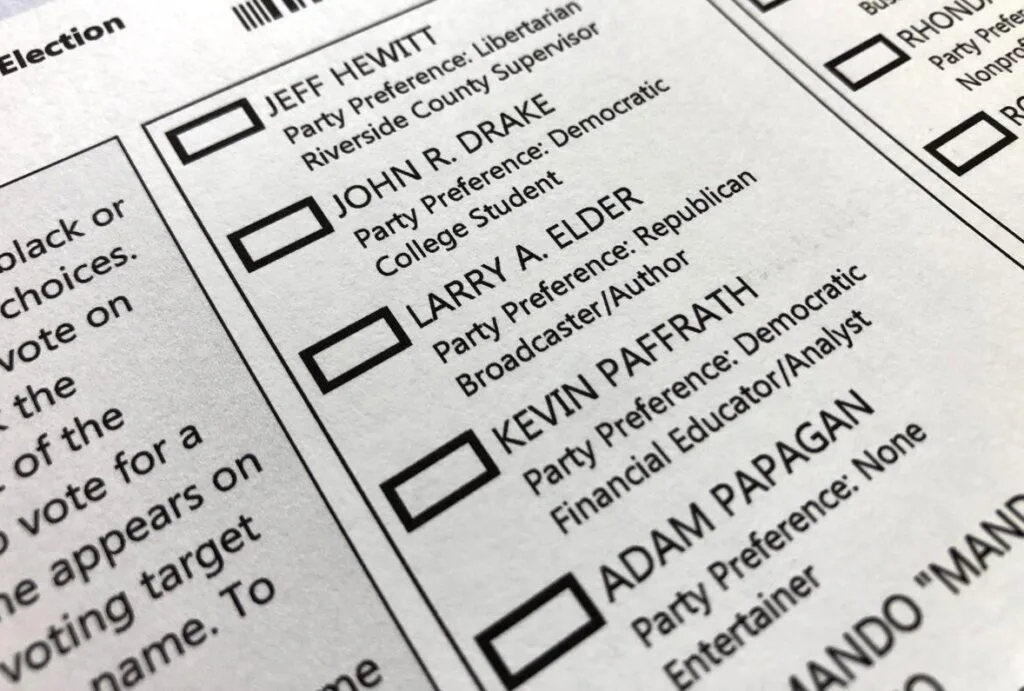
A distinctive feature of California's gubernatorial recall is that citizens vote on two separate matters simultaneously: whether to unseat the current governor, and who should take over if the recall succeeds.
The ballot is split into two sections. The first asks a direct question: Should the sitting governor be recalled? The second presents a list of contenders vying to replace them. If a majority votes "no" on the first question, the governor stays in office. If a majority votes "yes," the recall passes, and whichever candidate wins a simple plurality in the second section claims the governor's mansion.
Voters are under no obligation to answer both questions. A citizen can vote exclusively on the recall question, or choose only to vote for a replacement candidate. This dual format frequently sparks debate regarding democratic equity, particularly when a replacement candidate wins with a modest plurality despite having far less total support than the recalled governor.
The Recall That Reshaped California Politics
The most famous recall in modern California history took place in 2003, when Democratic Governor Gray Davis became the first governor in state history to be stripped of his office by the electorate. Davis's support had eroded amid rolling blackouts during an acute energy crisis, a multibillion-dollar budget deficit, and mounting public anger. The effort to unseat him rapidly escalated into a national political event, as voters decided not only Davis’s fate, but who would steer America’s most populous state.
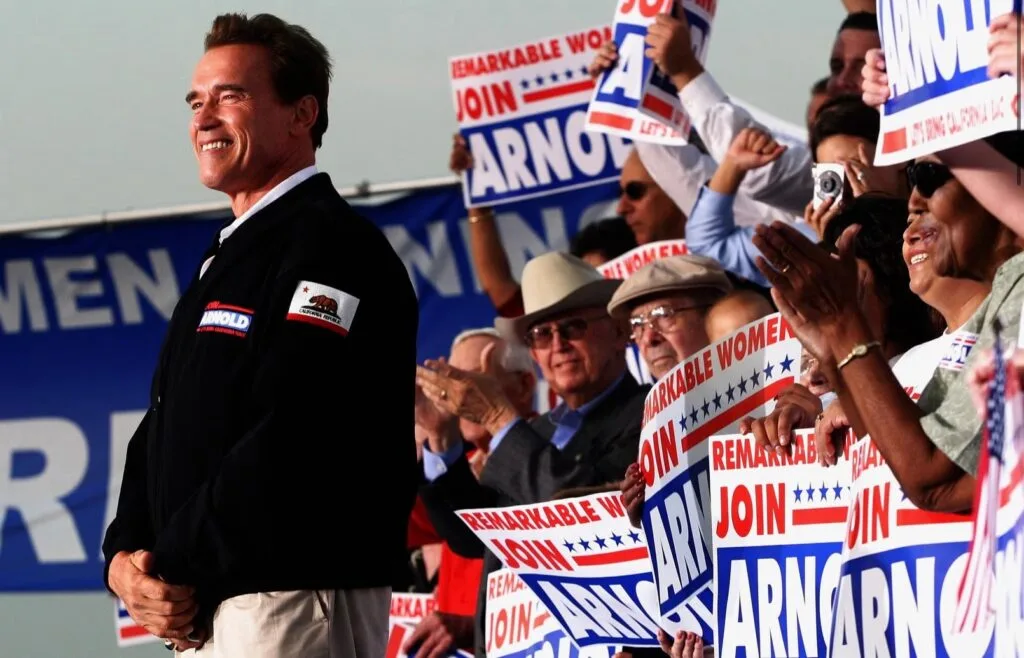
In the October 7, 2003 vote, 55.4% backed Davis's removal, while 44.6% voted against it. Hollywood superstar Arnold Schwarzenegger, running as a candidate for the Republican Party, triumphed over a crowded field of replacement candidates. Schwarzenegger's blockbuster victory drew worldwide attention, demonstrating that recalls can bypass traditional party hierarchies and offer a fast track to high office for prominent outsiders with widespread public recognition.
Recall as a Weapon of Partisan Warfare
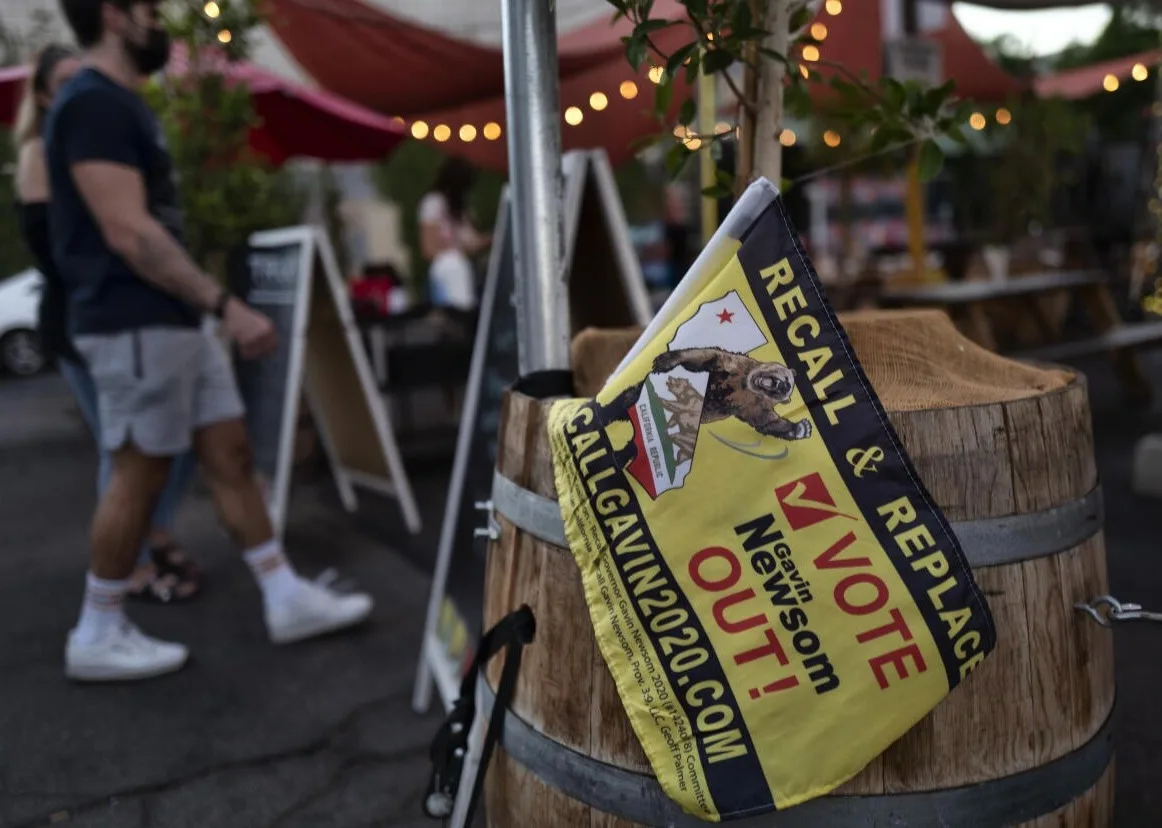
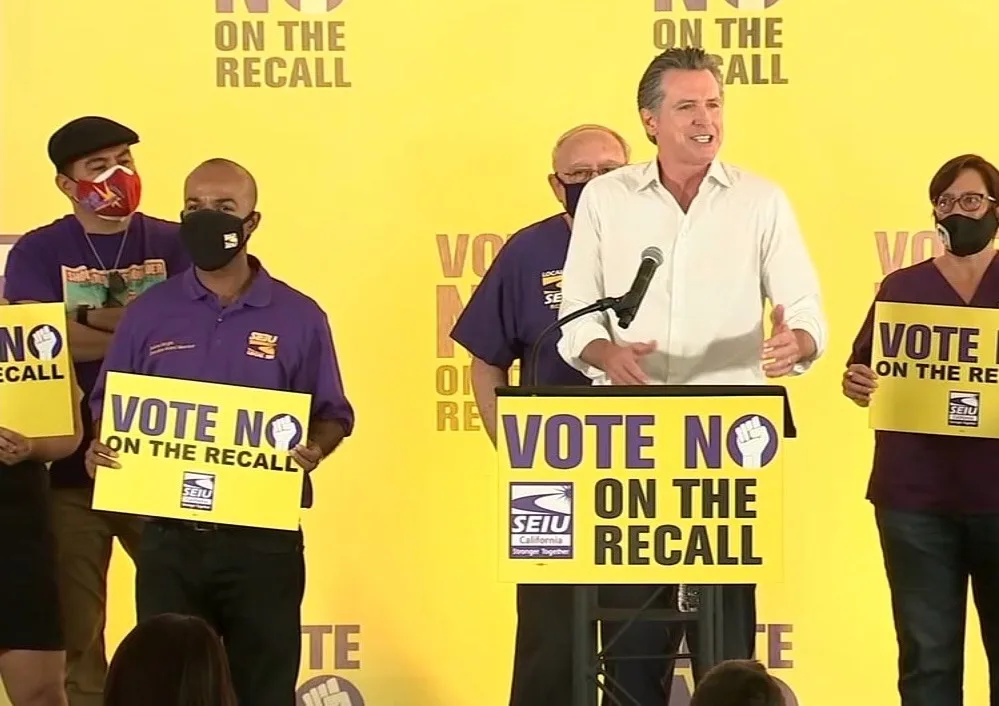
In 2021, the recall mechanism recaptured the national spotlight once again, this time targeting Democratic Governor Gavin Newsom. Petitioners began collecting signatures in 2020, initially pointing to grievances over his moratorium on the death penalty, rising crime rates, homelessness, soaring housing costs, and immigration policies. The campaign gained decisive traction, however, as frustration mounted over strict government mandates during the COVID-19 pandemic.
The race illustrated how localized dissatisfaction can mushroom into a sweeping political battle. The recall vote quickly morphed into a high-stakes partisan proxy war between Democrats and Republicans, intersecting with national debates over government overreach, executive authority, and pandemic restrictions.
On September 14, 2021, California voters resoundingly rejected Newsom's removal: 38.1% supported the recall, while 61.9% voted against it. Newsom retained his post. The outcome underscored a key political reality: while gathering hundreds of thousands of signatures to force a special election is an impressive organizing feat, it by no means guarantees victory on election day.
Наступна статтяVoice of the Neighborhoods: How Los Angeles Neighborhood Councils Work and Do They Have Real Power?