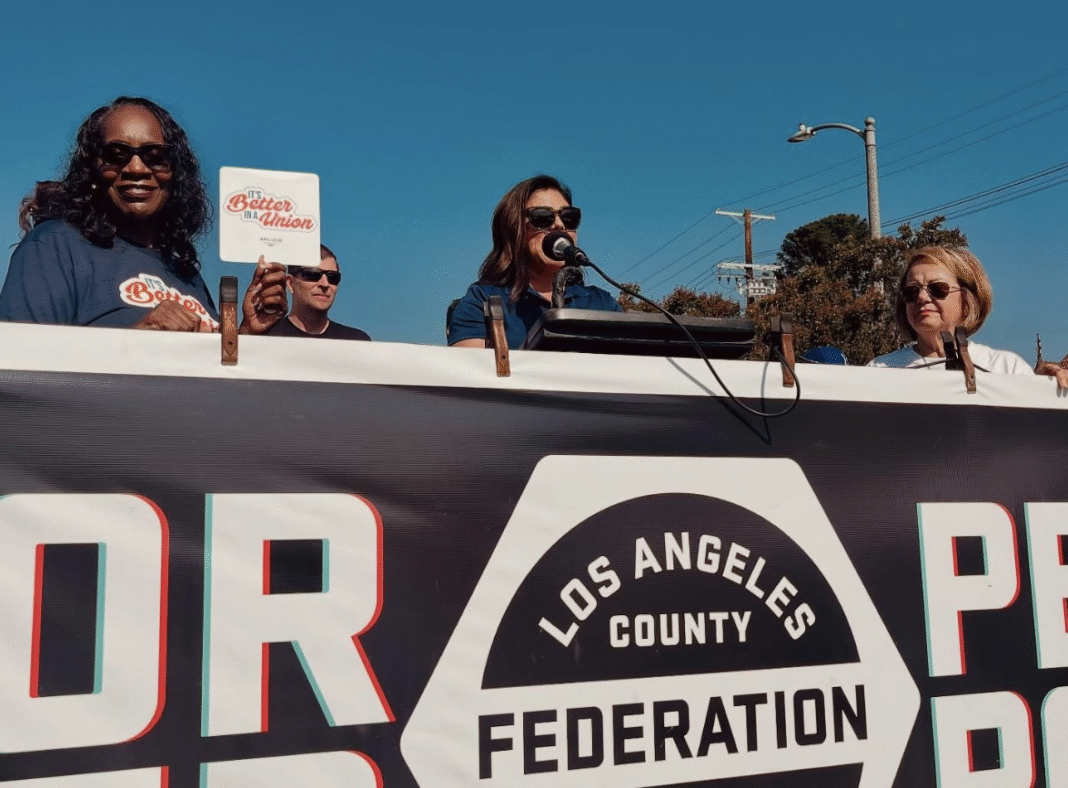

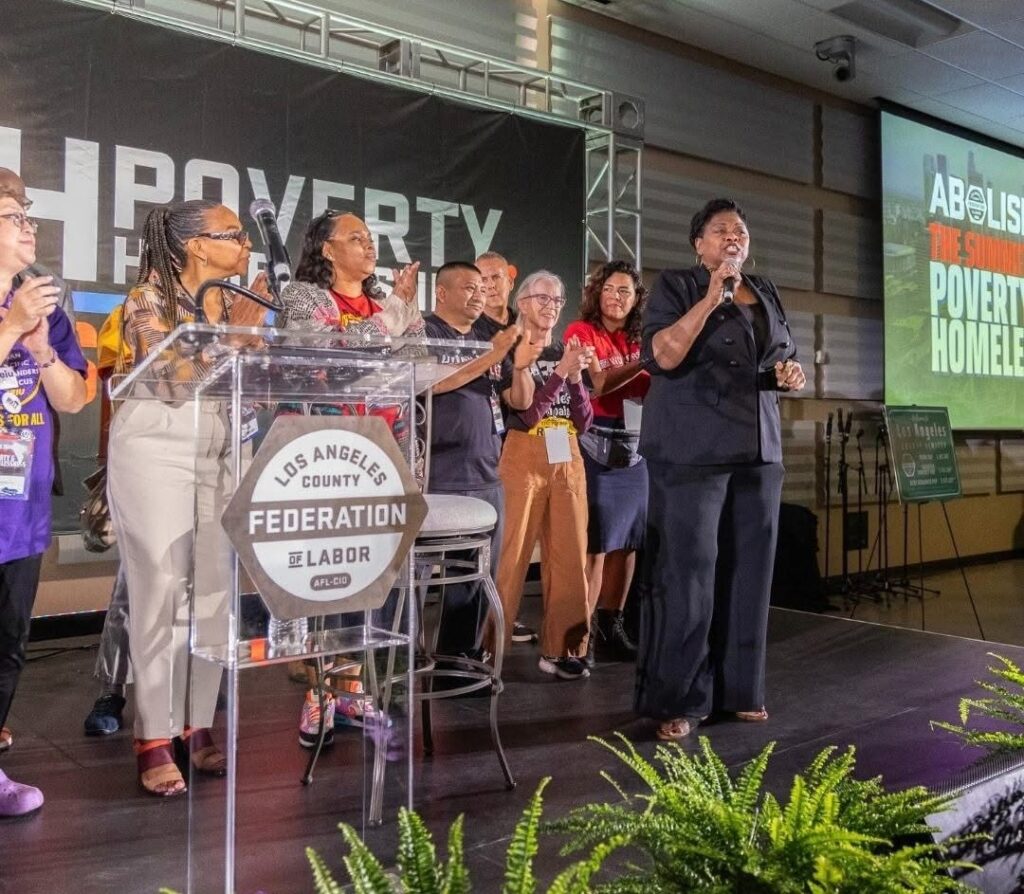
The Los Angeles County Federation of Labor is one of the most influential political players in Southern California. Bringing together over 300 unions and labor groups representing more than 800,000 workers, it actively shapes the political agenda, backs election candidates, and champions policies on wages, workplace rights, and social welfare. Its influence at City Hall is so pronounced that some view it as a de facto “shadow cabinet” for Los Angeles—even though it holds no formal municipal authority and is not an official branch of city government. Read more on layes.
What Is This Organization?
The Los Angeles County Federation of Labor, commonly known as the LA Fed, is an umbrella coalition of labor unions and worker organizations across Los Angeles County, California. It coordinates member initiatives, supports collective labor actions, and champions the shared interests of workers across civic and political spheres. With over 300 affiliated labor unions, its sheer scale enables the federation to bridge diverse sectors. While teachers, healthcare professionals, construction crews, and service industry workers face unique workplace challenges, the federation unites them behind common goals: higher wages, safer working conditions, and stronger social safety nets.
From Labor Councils to a Political Powerhouse
The roots of organized labor in Los Angeles date back to the late 19th century, when fledgling unions banded together for mutual aid, worker protections, and unified bargaining power against employers.
Throughout the first half of the 20th century, the American labor movement operated along separate tracks. Unions affiliated with the American Federation of Labor (AFL) operated independently from those aligned with the Congress of Industrial Organizations (CIO). A watershed moment came in 1959, when the CIO’s industrial council merged with six municipal central labor councils. This historic consolidation laid the groundwork for today’s county federation.
Over time, the federation expanded its reach far beyond traditional contract bargaining. It began dedicating substantial resources to elections, civic education, voter mobilization, and campaigns for candidates aligned with pro-labor platforms. This evolution created a model where the organization serves dual roles: protecting workers in the labor market while acting as a formidable political engine at the local level.
Influence on Los Angeles City Hall
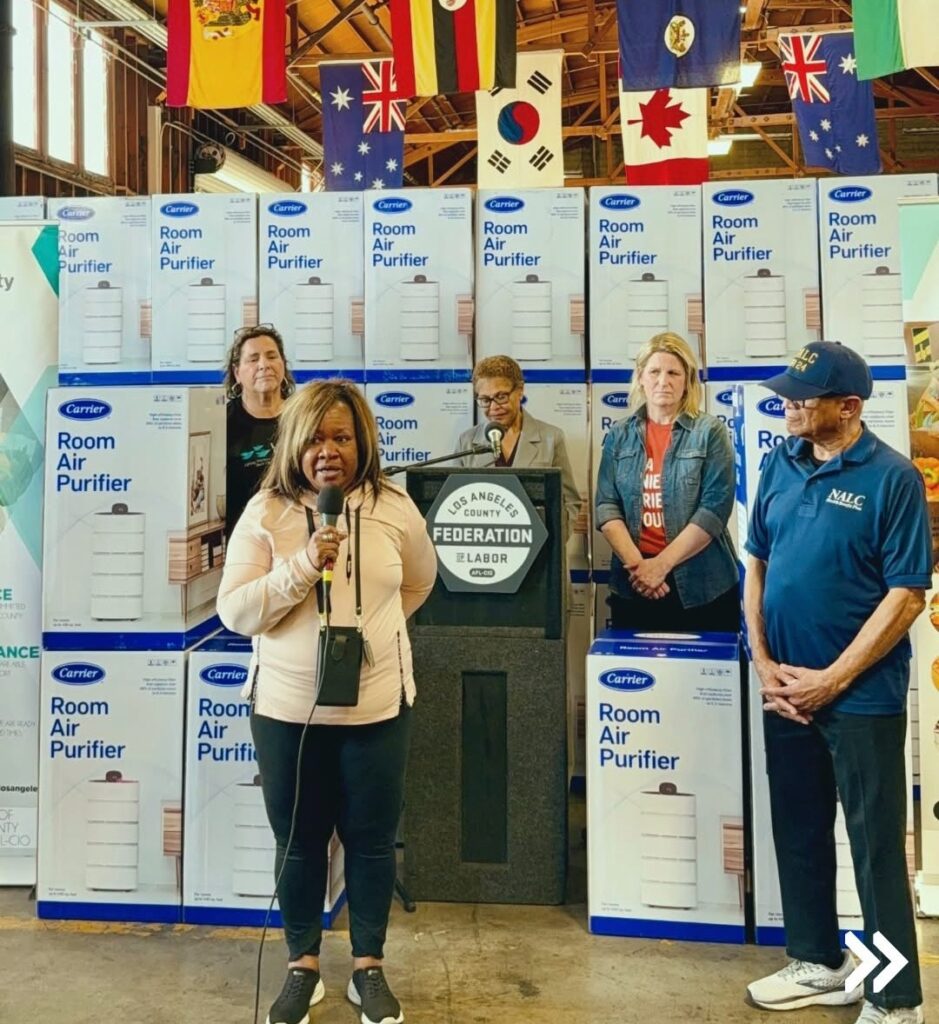
The LA Fed’s sway over municipal policy does not stem from any formal authority to direct the mayor or the City Council. Instead, it relies on a potent toolkit: policy recommendations, candidate endorsements, grassroots mobilization, coalition building, and high-profile public campaigns.
The first tool is building a unified front. An individual union may struggle to get its grievances on the political radar, but the federation can rally dozens of organizations around a single demand, demonstrating that thousands of voters stand behind it. The second tool is electoral power. An endorsement often comes with phone banks, door-to-door canvassing, member mailers, and voter turnout operations. In local races where turnout is often low, this ground game can be decisive. The third tool is driving policy initiatives. The federation routinely champions campaigns focused on living wages, labor protections, affordable housing, and expanded social safety nets.
Still, union backing does not guarantee an easy path to policy victory. The mayor and City Council members must operate within legal boundaries, balance tight budgets, and navigate competing interests from business groups, community advocates, and opposing political factions.
Elections as a Lever of Influence
Candidate endorsements are among the most visible ways labor attempts to steer municipal policy. In Los Angeles, this holds exceptional weight: City Hall decisions directly impact public sector contracts, infrastructure projects, municipal services, and the broader economic environment.
In November 2025, the LA Fed announced its endorsement for the reelection of Los Angeles Mayor Karen Bass. In its official statement, the federation cited her track record and continued commitment to working-class issues. This move highlights how the organization leverages endorsements of incumbent political leadership to signal where its members and the broader public should cast their ballots. While an endorsement does not dictate election outcomes, it serves as a critical guidepost for union households and labor-aligned voters.
Labor, City Budgets, and Public Services
The labor movement’s footprint on local governance is equally prominent during annual budget battles. School staff, healthcare workers, sanitation crews, and social service personnel depend directly on municipal spending decisions, staffing levels, and operational policies. For unions, safeguarding budgets means protecting working conditions, preserving essential public services, and keeping safety nets intact. As a result, labor groups frequently mobilize against budget cuts, push for dedicated funding streams, and negotiate aggressively over contract terms.
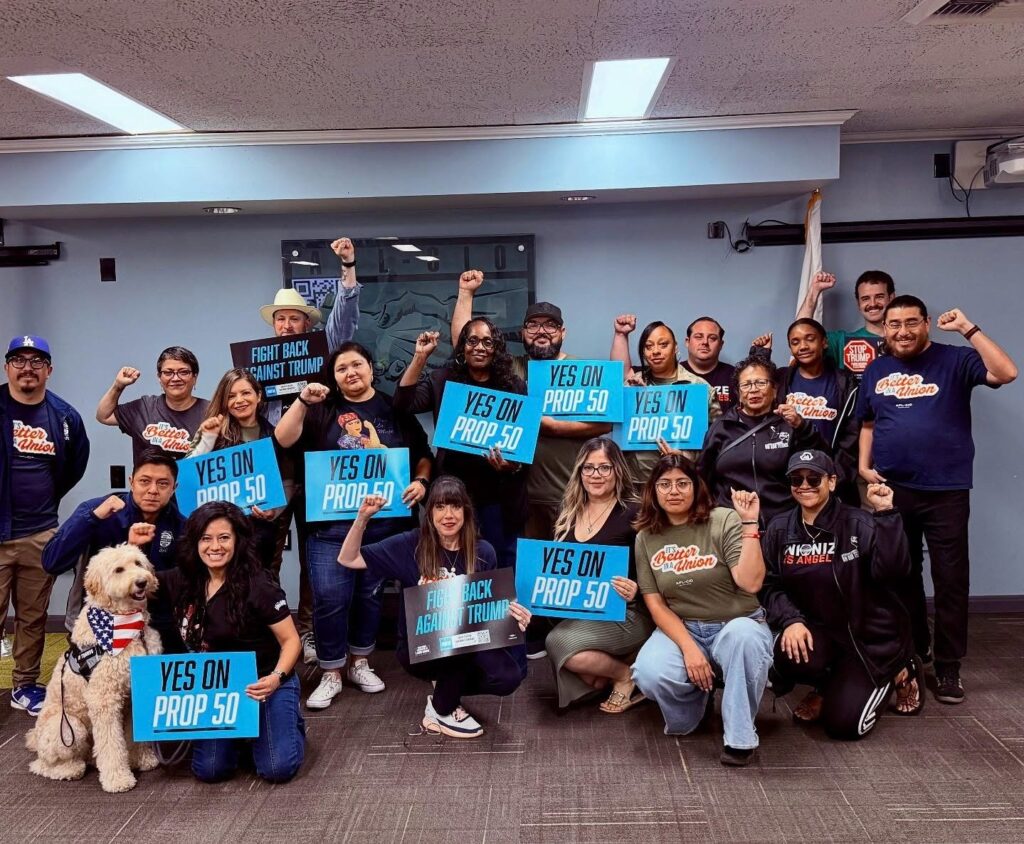
Political leverage stems not just from membership rolls, but from the ability to activate people. The LA Fed draws on extensive ground-game strategies—including phone banking, precinct walking, and targeted informational drives—to keep union members engaged with key ballots and legislative measures.
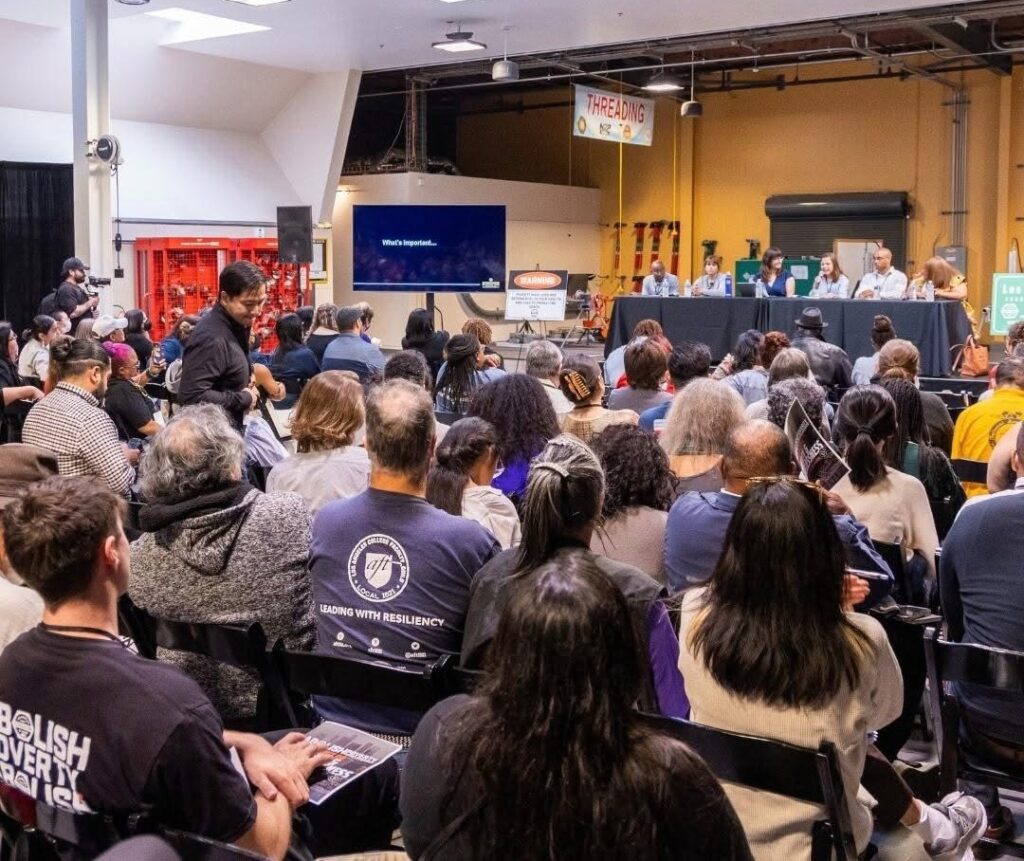
The Los Angeles County Federation of Labor remains one of the most formidable voices for working people in the region. Its substantial resources allow it to bridge grassroots workplace advocacy with high-stakes political campaigning, candidate endorsements, and civic ballot initiatives. Perspectives on its role vary: supporters argue it offers ordinary workers collective bargaining power over the policies that govern their livelihoods, while critics point out that such concentrated political power requires rigorous public scrutiny. Regardless of viewpoint, the LA Fed exemplifies a core reality of American local politics: true power is built not merely by holding public office, but through the ability to organize communities, mobilize voters, and steer the public debate.
Understanding how power operates in Los Angeles requires looking beyond mayoral press conferences and City Council roll calls to the coalitions operating behind the scenes. The Los Angeles County Federation of Labor remains one of the clearest examples of this dynamic—merging vast labor representation, political machinery, and a deep-seated history in regional governance.