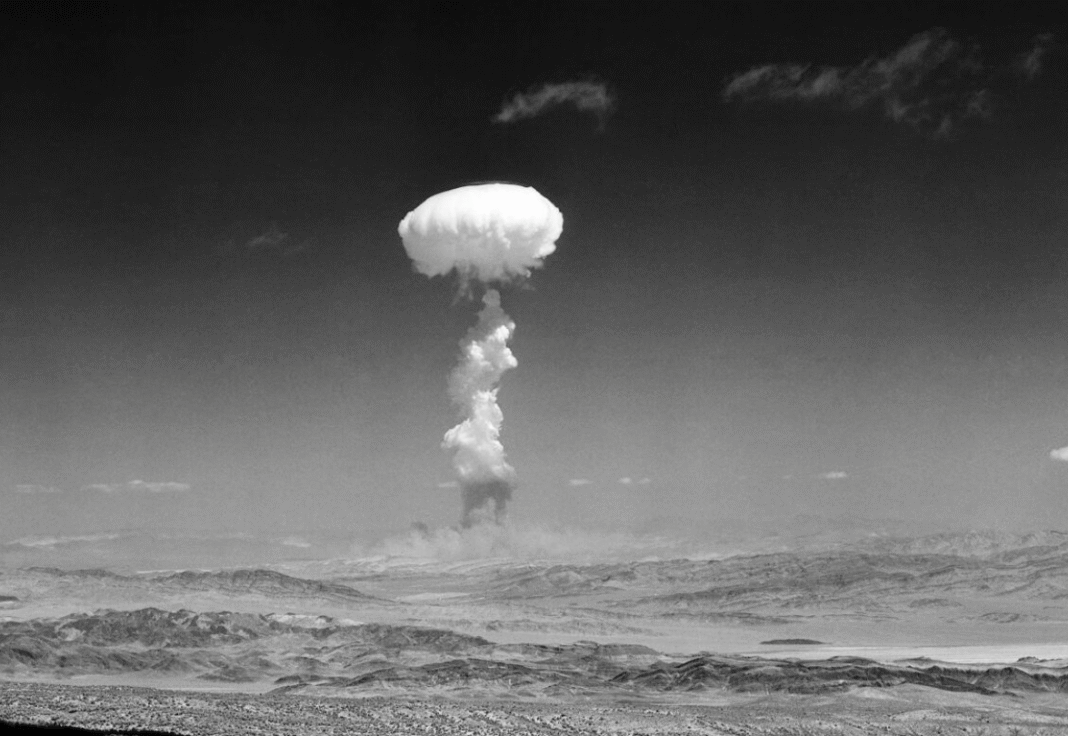

Throughout the 20th century, Los Angeles played a pivotal strategic role. Along with Southern California as a whole, it evolved into a premier hub for the American aviation industry, and later, aerospace and defense. The region gained particular prominence during the Cold War. The standoff between the United States and the Soviet Union reshaped not only global geopolitics but also the very fabric of American cities. For Los Angeles, this era ushered in new military installations, radar posts, and missile sites, accompanied by a booming aircraft manufacturing sector, an influx of jobs, and a radical transformation of the urban landscape. Read more at layes.
Los Angeles as a Defense Industry Powerhouse
The defense sector began shaping the trajectory of Los Angeles long before the Cold War began. Even on the eve of World War II, the region was already home to major aircraft manufacturers, including Douglas, North American Aviation, Lockheed, Northrop, and Vultee. Their manufacturing plants and assembly lines were scattered not just across Los Angeles proper, but throughout neighboring communities across Southern California.
During World War II, the region’s aviation sector expanded at breakneck speed, and this massive production capacity did not vanish after 1945. Instead, the onset of the Cold War generated unprecedented demand for cutting-edge aircraft, guided missiles, engines, navigation systems, and advanced military technologies. Lucrative defense contracts provided stable employment for tens of thousands of workers, while an extensive ecosystem of subcontractors, engineering firms, and research institutions flourished around the industrial giants.
The Nike Missile Air Defense System in Los Angeles
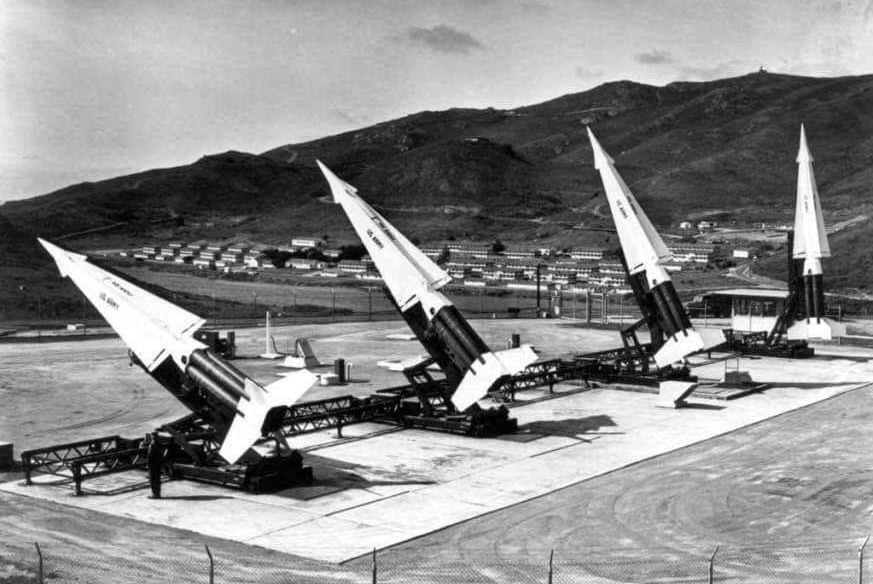
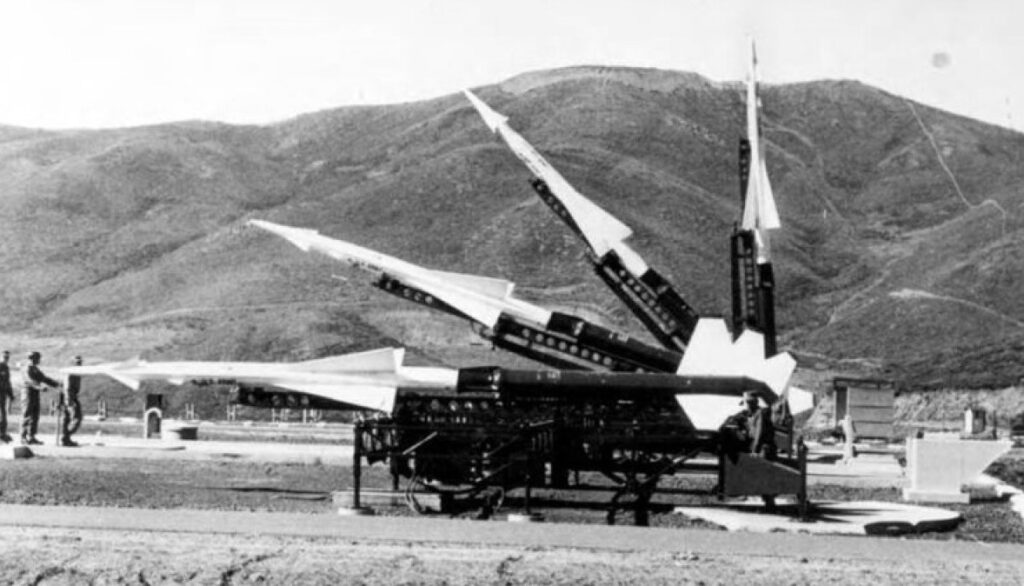
During the Cold War, the U.S. Army established an extensive network of Nike surface-to-air missile sites to shield critical American population and industrial centers from potential aerial strikes. The Los Angeles area received its own dedicated defensive shield: the Nike Missile Air Defense system. By 1958, 16 active Nike installations ringed the metropolis, creating a protective perimeter around strategically vital territory.
These were far more than simple launch pads. Each installation operated as an integrated complex featuring radar tracking stations, command centers, and launch batteries designed to detect, track, and intercept hostile aerial threats with surface-to-air missiles. Deploying such advanced hardware highlighted just how seriously American military planners took the threat of an air raid targeting the nation’s core industrial centers.
One of the most notable preserved Cold War relics in the Los Angeles area is San Vicente Mountain. Today, it forms part of San Vicente Mountain Park, managed by the Mountains Recreation and Conservation Authority, but its origins are strictly military. San Vicente Mountain served as one of the 16 Nike-Ajax launch and radar sites safeguarding Los Angeles, remaining on active duty from 1956 to 1968.
The Defense Industry and the Rise of Aerospace
The Cold War became the defining catalyst in establishing Los Angeles as the epicenter of the American aerospace industry. Federal defense contracts kept production lines humming and spurred technological innovation. For the city, this meant an explosion of employment, the rapid rise of specialized engineering fields, and the creation of whole new industrial corridors. Ultimately, the Cold War shaped Los Angeles just as much through economic momentum as through physical military bases.
Following World War II, Southern California solidified its reputation as the heart of national aviation, with key operations concentrated around Los Angeles Municipal Airport and Santa Monica Airport. Los Angeles Municipal Airport would later evolve into Los Angeles International Airport (LAX). These facilities were far from ordinary civil airfields; they were integral to building, testing, and delivering commercial and military aircraft.
Urban Policy and the Shaping of Los Angeles
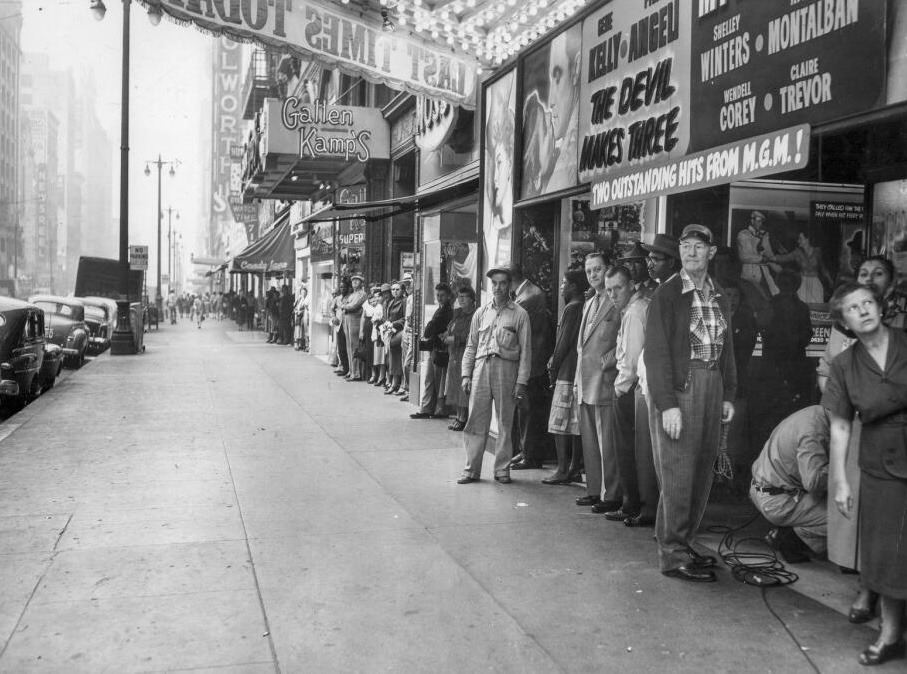
The Cold War’s influence on urban planning went well beyond erecting missile batteries. Rapid industrial expansion required modern infrastructure, upgraded transport links, and vast parcels of land. At the same time, the surge in personnel created an urgent demand for residential housing. As a result, the defense sector became a primary engine of spatial growth across Los Angeles and its surrounding suburbs. Yet this expansion came with growing pains: surging flight volumes and the advent of commercial jetliners caused persistent noise pollution in neighborhoods near local airports.
Transportation emerged as another crucial pillar of municipal policy. In the postwar era, Los Angeles steadily evolved into a car-centric metropolis. A pivotal milestone came in 1947 with the adoption of a comprehensive master freeway plan for Los Angeles and its environs. Over the following decades, federal funding helped bring this ambitious network to life. In the San Fernando Valley, the construction of major freeways gradually converted once-isolated rural outposts into accessible, flourishing suburban communities.
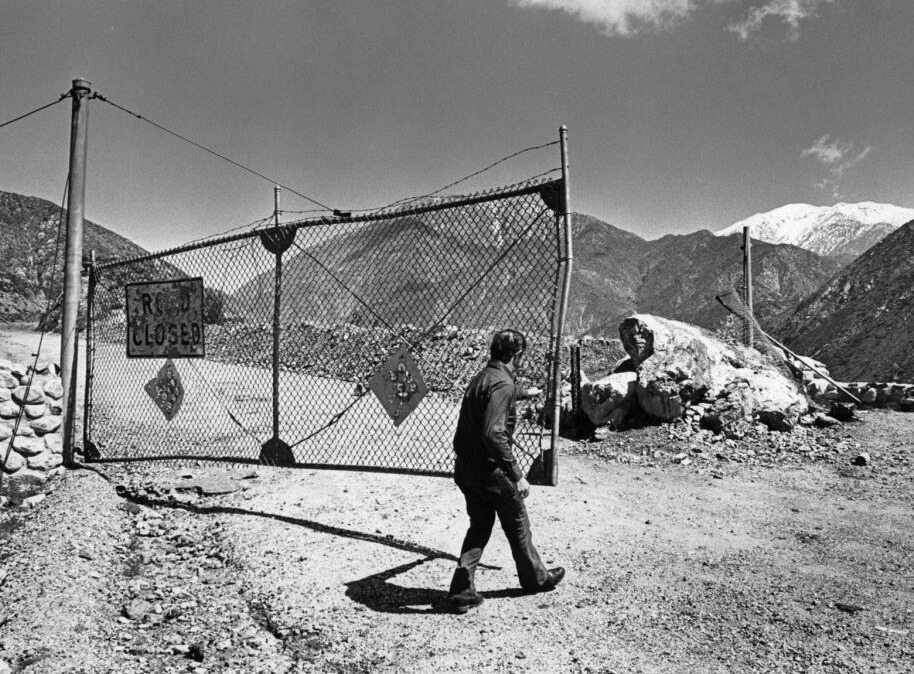
Los Angeles’ Cold War legacy cannot be viewed solely through the lens of Nike-Ajax batteries, military bases, or radar installations. Its real markers are etched into residential subdivisions, industrial parks, airports, and freeways. In this sense, the city’s military history is inseparable from the history of its urbanization: defense contracts created jobs, jobs fueled housing booms, housing drove suburbanization, and urban sprawl demanded bold new planning and transit policies. This interplay between defense spending, economic growth, and urban planning forged the modern identity of Los Angeles.
With the end of the Cold War, many military installations lost their original purpose. Portions of land were redeveloped, several facilities were decommissioned and demolished, and select sites were preserved as historical landmarks. Exploring this era sheds light on why contemporary Los Angeles looks the way it does. The footprint of manufacturing districts, the growth of major airports, the emergence of the San Fernando Valley as an industrial hub, and mountaintop military outposts are all interconnected pieces of the city’s broader evolution.
While the fall of the Iron Curtain reshaped America’s defense landscape, its imprint on Los Angeles did not disappear overnight. Aerospace remained an essential pillar of the regional economy, even as defense contractors scaled back operations, closed plants, or pivoted toward commercial markets. Gradually, the city reclaimed and reimagined properties previously cordoned off for industrial or military use. For modern urban planners, this has meant striking a balance between historical preservation, land redevelopment, and ongoing infrastructure upgrades.
The Cold War left an indelible mark on Los Angeles—far deeper than meets the eye. During those turbulent decades, the city stood at the vanguard of the American defense and aerospace boom, housing aviation titans, pioneering next-generation technologies, generating thousands of livelihoods, and carving out entire industrial districts. Today, tourists and residents alike typically picture Los Angeles through the prism of Hollywood glamour, beaches, and entertainment. Beneath that polished exterior, however, lies another defining historical layer: a powerhouse city that helped anchor American defense and aviation during the Cold War. Surviving military sites and historical archives offer a window into this compelling, lesser-known chapter of the City of Angels.