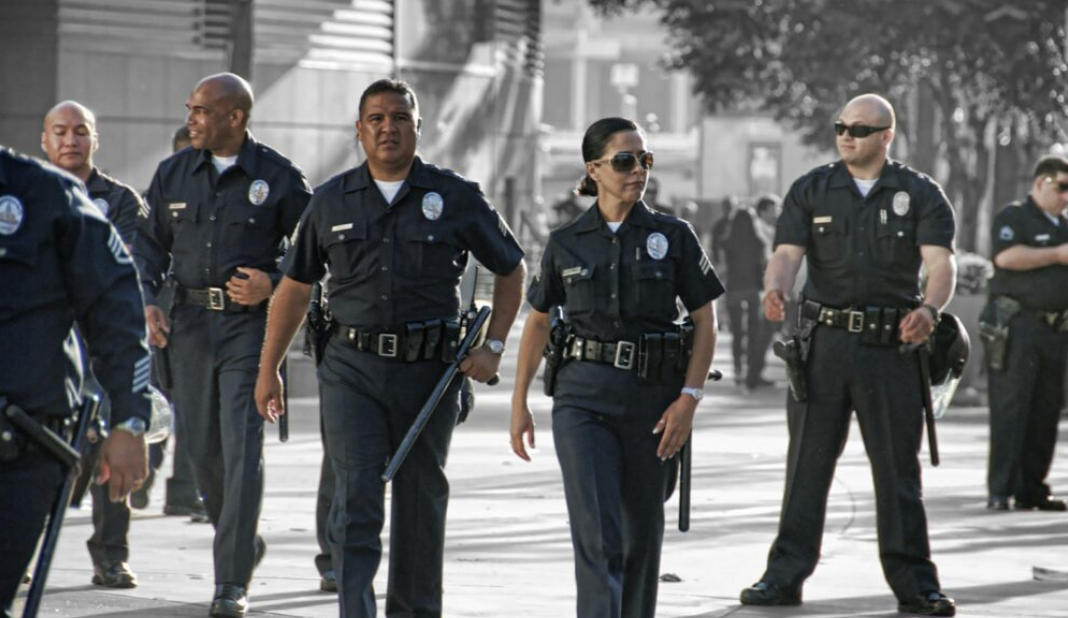

The Los Angeles Police Department is one of the largest and most recognizable municipal law enforcement agencies in the United States. While the LAPD is responsible for public safety across the City of Los Angeles, its governance structure is far more complex than it might seem at first glance. The Chief of Police does not operate with total autonomy, nor does the mayor directly direct patrol officers on the street. Instead, a civilian body—the Board of Police Commissioners, commonly known as the Police Commission—plays a central role in overseeing the department. Operating alongside it is the Office of the Inspector General, which monitors regulatory compliance, evaluates complaints, and investigates officer conduct. Read more on layes.
So who truly runs the LAPD? What authority does the Chief of Police hold, what is the mayor responsible for, and how does civilian oversight work in practice? Here is a breakdown of the leadership and accountability structure behind one of America’s most prominent police departments.
What Is the LAPD, and What Are Its Core Responsibilities?
The LAPD is the primary municipal law enforcement agency serving the City of Los Angeles, California. Its core mission is to safeguard public order, prevent and investigate crime, respond to emergencies, and protect the lives and property of city residents.
It is important to distinguish the City of Los Angeles Police Department from the law enforcement agencies of Los Angeles County. The LAPD’s jurisdiction covers only areas within official city limits; unincorporated areas and contract cities fall under other agencies, such as the Los Angeles County Sheriff’s Department. The LAPD operates within the municipal system of governance, meaning it is bound by the Los Angeles City Charter, local municipal codes, California state statutes, and federal law.
Formally, the head of the LAPD is the Board of Police Commissioners, often referred to simply as the Police Commission. This civilian board sets departmental policy and provides direct oversight of its operations. The commission consists of five civilian members appointed by the mayor and confirmed by the City Council. Rather than serving as a purely advisory body, the commission possesses genuine executive power: it establishes departmental policy, reviews LAPD operations, and approves major administrative decisions. The Police Commission functions much like a corporate board of directors. It does not dispatch squad cars or instruct officers on how to execute specific arrests. Instead, it sets broad policy guidelines, monitors the Chief of Police, and evaluates whether the LAPD operates in accordance with the law and professional standards.
The Police Commission focuses primarily on strategic management and civilian accountability. Key areas of its work include:
- setting overall policy and strategic priorities for the LAPD;
- overseeing all departmental activities;
- monitoring the performance of the Chief of Police;
- reviewing major disciplinary matters and ethical standards;
- analyzing internal affairs investigations;
- adjudicating categorical use-of-force incidents;
- monitoring the progress of reforms and compliance with established standards;
- liaising with the mayor, City Council, and the public.
The commission holds regular public meetings to discuss police operations, review community complaints, evaluate audit reports, and address pressing issues. This open format is intended to ensure transparency and maintain direct accountability to city residents.
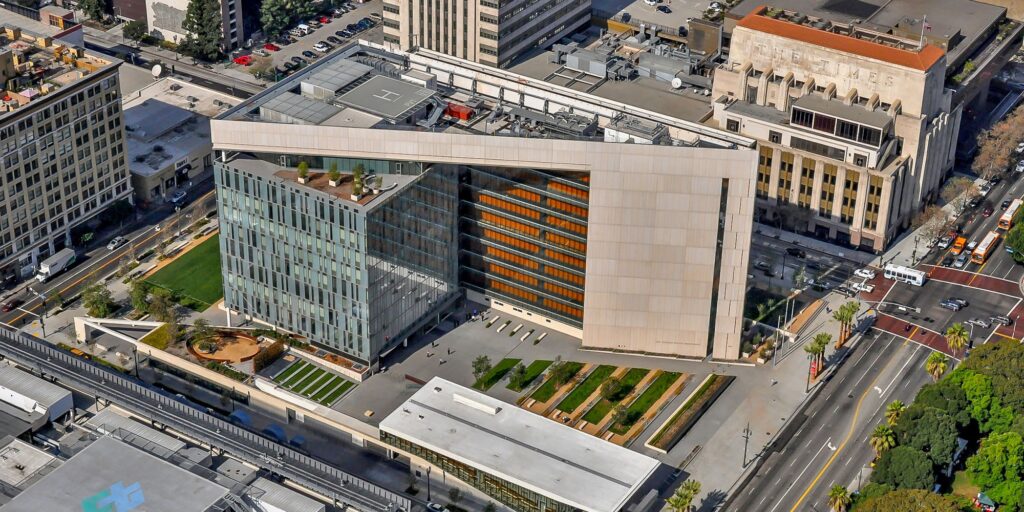
The Role and Powers of the Chief of Police
The Chief of Police is the highest-ranking sworn officer within the LAPD. Serving as the department’s general manager, the chief oversees daily operations, service organization, personnel management, policy enforcement, and emergency response. The chief is not elected by voters; instead, the mayor appoints the chief, subject to confirmation by both the Police Commission and the Los Angeles City Council. A chief can serve a maximum of two five-year terms, reports directly to the Board of Police Commissioners, and manages the entire administrative apparatus of the department.
The primary responsibilities of the Chief of Police include:
- directing the day-to-day operations of the LAPD;
- managing strategic and operational planning;
- organizing patrol divisions and investigative units;
- managing personnel and departmental resources;
- enforcing compliance with legal statutes and departmental regulations;
- designing and implementing internal reforms;
- collaborating closely with the Police Commission;
- reporting to the City Council and other municipal authorities;
- commanding police operations during major crises and citywide emergencies;
- making personnel and disciplinary decisions within statutory authority.
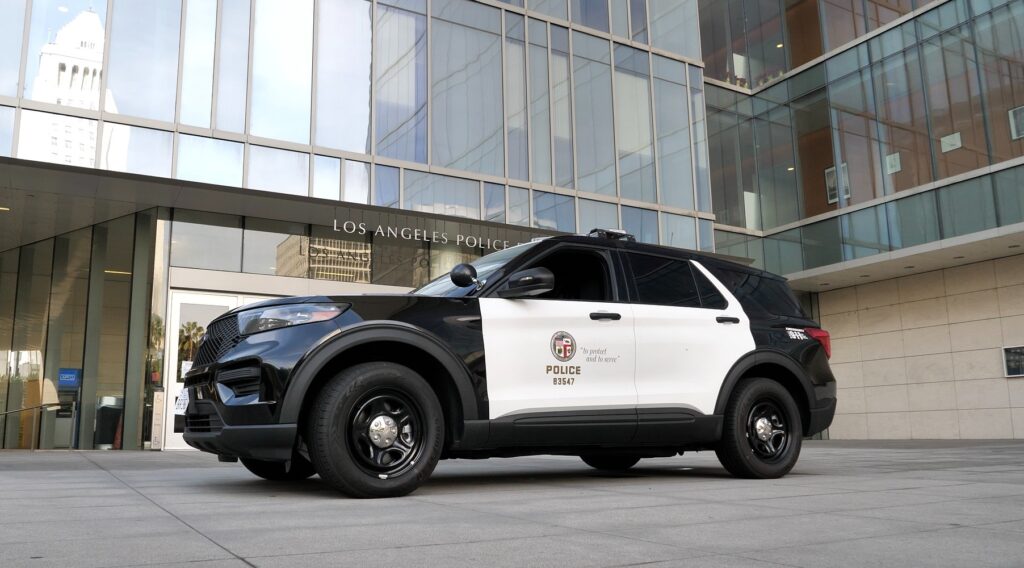
Does the Mayor of Los Angeles Run the Police?
The mayor of Los Angeles plays a critical role in shaping police leadership, but does not exercise direct command over patrol officers. The mayor’s primary authority lies in appointing the members of the Police Commission and nominating candidates for the Chief of Police. However, selecting a chief requires formal confirmation from other municipal bodies.
This means that while the mayor holds substantial political and executive leverage, they cannot unilaterally dictate tactical decisions, order an officer to make a specific arrest, or meddle in open criminal investigations. Operational command remains firmly with the Chief of Police. The mayor establishes broad city priorities, shapes the municipal budget, and appoints top officials, but everyday police work is carried out through an independent, professional chain of command.
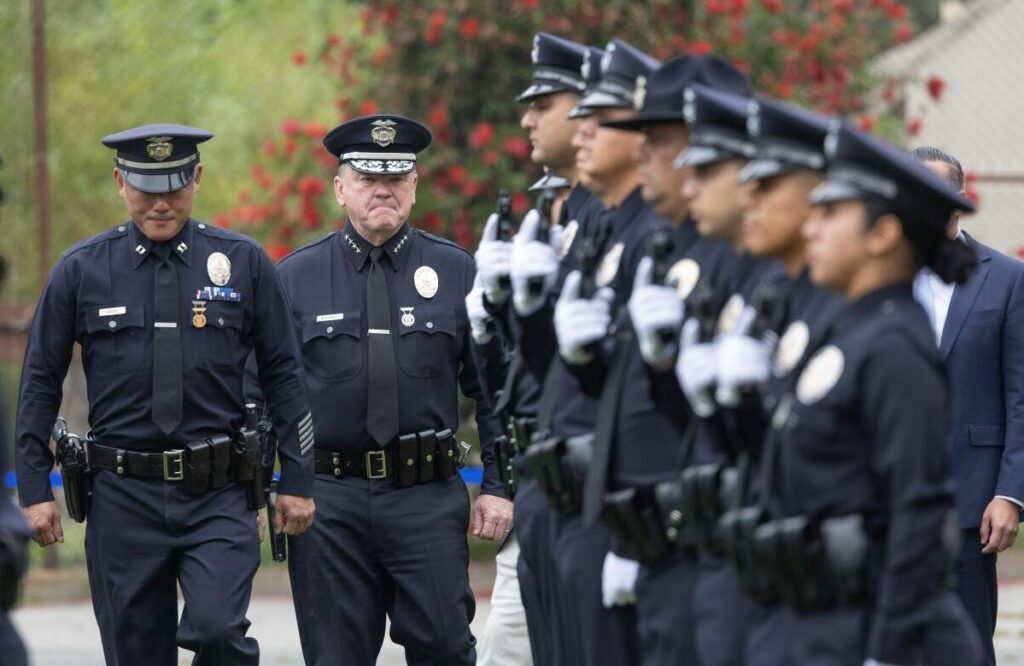
Civilian Oversight of the LAPD
Civilian oversight ensures that law enforcement operations are scrutinized not only by internal commanders, but also by independent agencies and community representatives outside the police force.
This oversight structure serves several essential purposes:
- building public trust in law enforcement;
- reducing the risk of misconduct being concealed;
- ensuring impartial, independent reviews of public complaints;
- monitoring the legality and justification of use-of-force incidents;
- tracking the implementation of mandated reforms;
- fostering institutional transparency across all police activities.
In Los Angeles, civilian oversight is conducted primarily through the Police Commission and the Office of the Inspector General.
The Office of the Inspector General (OIG) operates independently of the LAPD’s internal hierarchy. Reporting directly to the Police Commission, the Inspector General conducts audits and monitors investigations, giving the public an independent, objective view into police department operations.
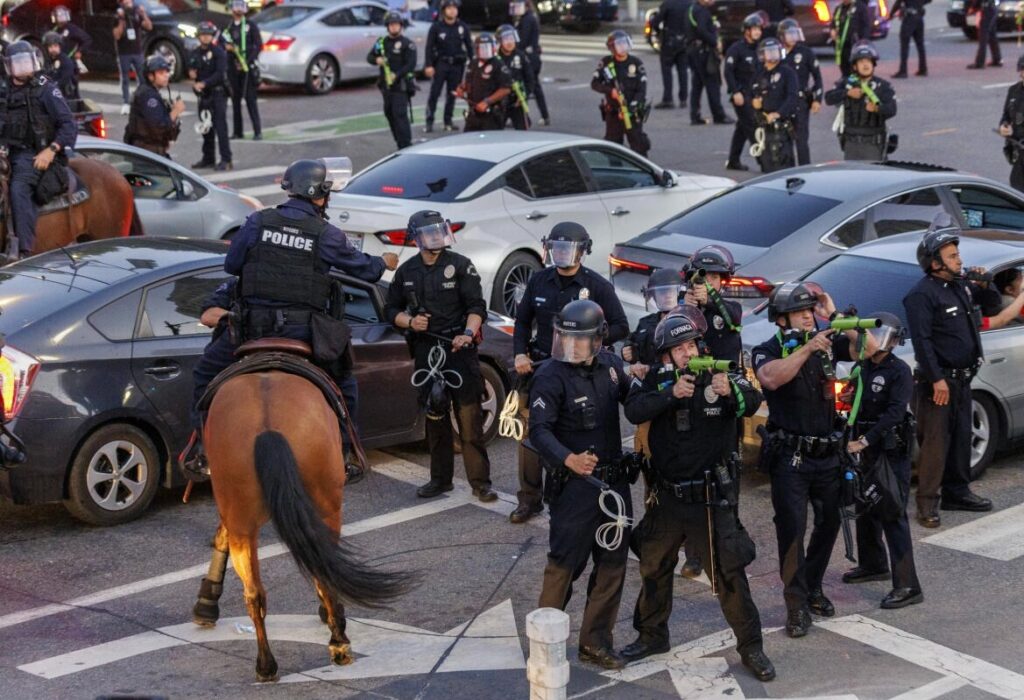
How Is the LAPD Structured Internally?
The LAPD has an extensive, multi-tiered organizational structure. At the top sits the Chief of Police, supported by assistant chiefs, deputy chiefs, and commanders who oversee key bureaus and operational divisions.
Specialized divisions across the department handle specific functions, including:
- patrol and uniformed field response;
- major crime and detective investigations;
- special operations (such as SWAT, air support, and bomb squads);
- traffic enforcement and transit safety;
- recruit training and professional development;
- professional standards and compliance;
- internal affairs and integrity audits;
- constitutional policing and risk management;
- community engagement and media relations;
- administrative, logistical, and fiscal management.
A notable role belongs to the Constitutional Policing and Policy Bureau. This bureau is tasked with ensuring officers uphold constitutional rights, analyzing departmental policies, conducting internal audits, and mitigating legal and operational risks.
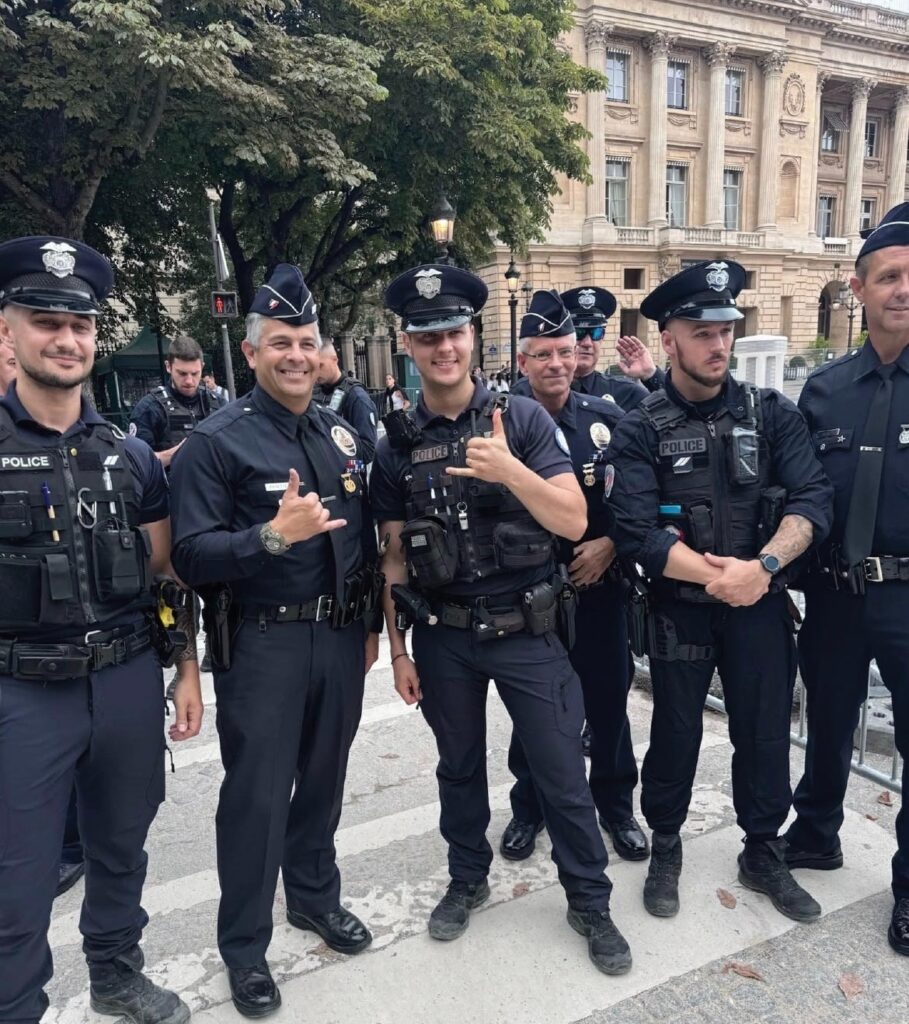
The Los Angeles Police Department relies on a layered governance framework that balances political, administrative, operational, and oversight responsibilities. This system of checks and balances is designed to strike an essential equilibrium: ensuring effective public safety while rigorously safeguarding civil liberties and human rights.