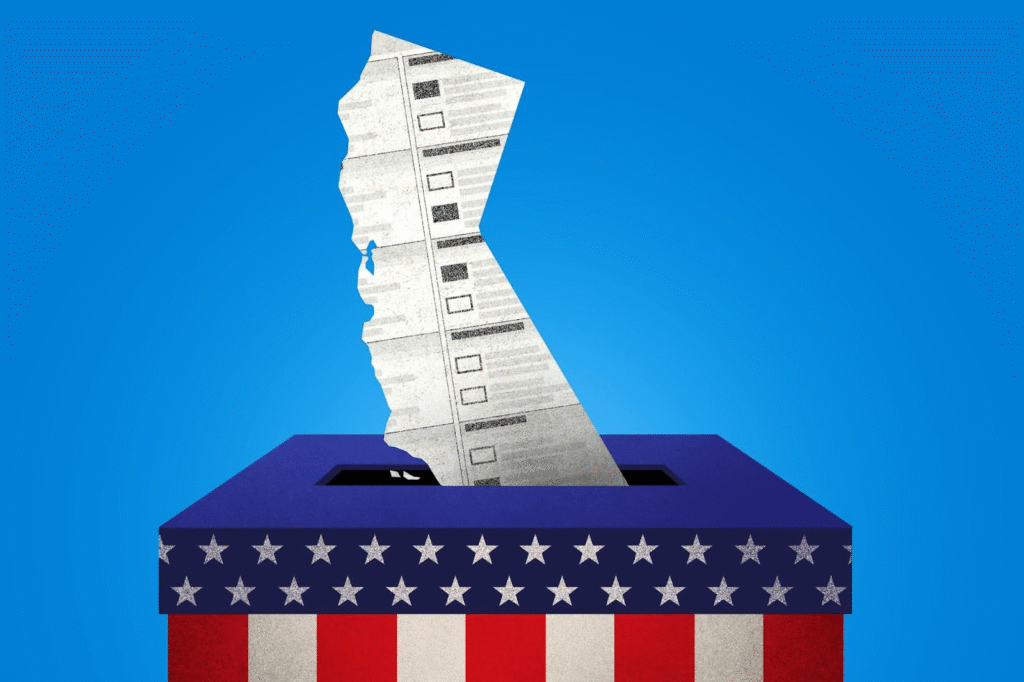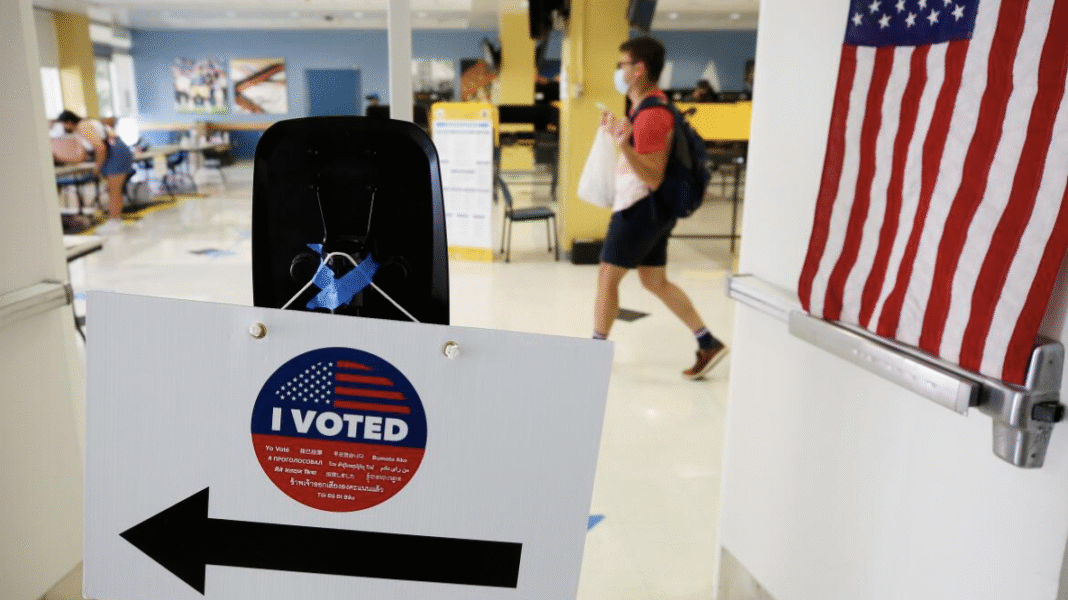

Los Angeles is the second-largest city in the United States and one of the country’s most dynamic political hubs. Its residents are known for their strong civic engagement, and the city’s political leanings have long been a subject of study for sociologists, political scientists, and journalists. You can learn more about this at layes.info.
The City’s Liberal Core
For decades, Los Angeles has been a reliable stronghold for the Democratic Party. In presidential elections, the city consistently favors Democratic candidates, and its local councils and government bodies are largely composed of representatives from this political force. This unwavering support is rooted in deep social, economic, and cultural foundations.
Los Angeles is one of the most multicultural metropolises in the world. According to various estimates, over 50% of its residents are from Latino communities, with several million more hailing from Asia, Africa, and the Middle East. Democrats have traditionally advocated for a more inclusive immigration system, expanded rights for ethnic minorities, and robust social support programs. This platform makes them more appealing to voters who seek equal opportunities and protection of their interests.
The city is renowned for its universities, startups, creative communities, and tech clusters. It’s a place where new cultural and social trends are born before spreading far beyond the borders of the United States. Young voters in Los Angeles, who make up a significant portion of the electorate, are focused on issues like social justice, human rights, and environmental responsibility. This focus strengthens the position of the progressive wings of the Democratic Party.
At the same time, Los Angeles is a symbol of both success and inequality. On one hand, you have Hollywood, innovative industries, and immense wealth. On the other, there’s a severe homelessness crisis, a rising cost of living, and a shortage of affordable housing. Democratic candidates often build their campaigns on promises of healthcare reform, support for vulnerable groups, climate change action, and rethinking law enforcement. For many residents, these proposals sound like practical solutions to their everyday challenges.
Traditional Conservative Pockets
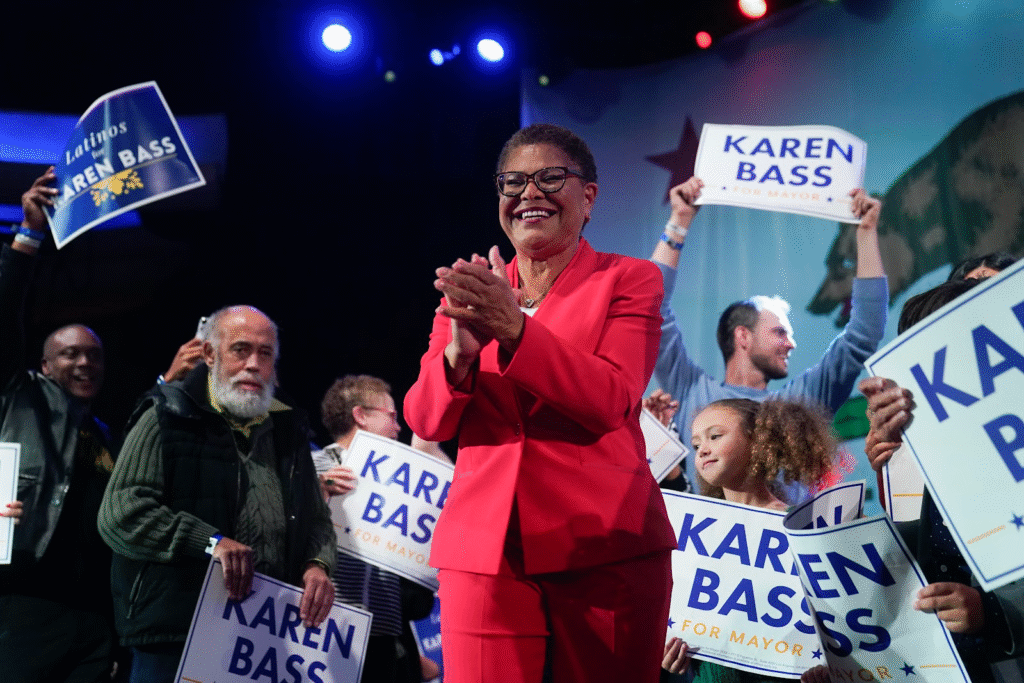
Despite its liberal reputation, Los Angeles and its surrounding areas are home to communities that lean conservative. These groups provide a political counterweight, reminding us that even in the most Democratic regions of the U.S., a diversity of ideologies exists.
In neighborhoods with a higher concentration of middle and upper-class residents—particularly in parts of the San Fernando Valley, some coastal towns, and more suburban areas—the Republican Party often has a strong foothold. For many people in these areas, key issues include tax levels, the cost of doing business, and property rights. They tend to support candidates who promise financial stability and minimal government intervention in the economy. Small business owners, from shopkeepers to entrepreneurs, often favor conservative platforms that offer lower tax burdens, more flexible business regulations, and less red tape. Their priority is ensuring that city policies foster, rather than hinder, local economic growth.
Religious communities also play a significant role in maintaining conservative sentiment. Some evangelical churches, Catholic parishes, and other groups advocate for traditional values concerning family, education, and the role of religion in society. Their support for Republicans is often based on shared views on morality, religious freedom, and the preservation of a traditional way of life.
In certain parts of Los Angeles, residents are more inclined to vote for candidates who champion tougher public safety measures and stricter control over immigration. For these voters, issues like crime rates, police effectiveness, and the fair allocation of social resources are paramount. While conservative pockets in Los Angeles may not be the majority, they remain an influential force.
A Hotbed of Political Activism
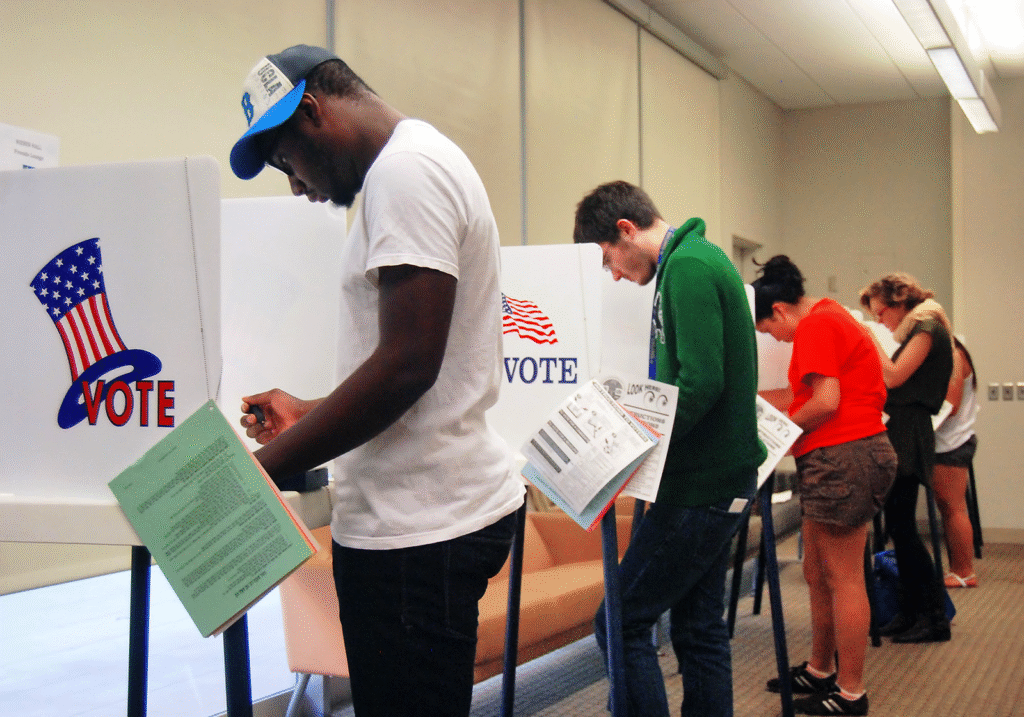
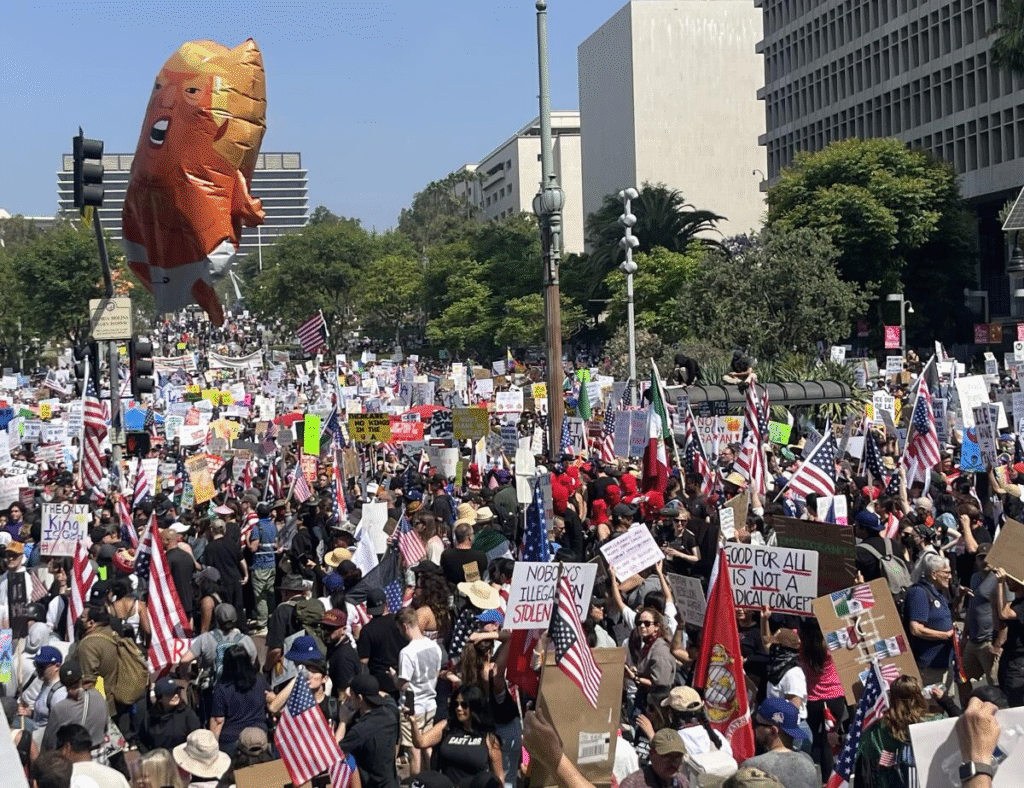
The city is known for its large-scale marches and demonstrations that draw tens of thousands of participants. Among the most iconic is the Women’s March, which traditionally takes place in downtown Los Angeles and unites activists fighting for gender equality and women’s rights. After the murder of George Floyd, the city hosted some of the nation’s largest Black Lives Matter protests, which became a powerful symbol of the fight against racism and police brutality.
Historically, Los Angeles has been a major center for LGBTQ+ activism in the United States. Every year, the city hosts a vibrant Pride Parade, which is not just a celebration but also a political statement in support of equal rights. Local organizations actively lobby for legislative changes and support campaigns aimed at ending discrimination.
Given its challenges with air pollution, traffic emissions, and the impacts of climate change, environmental issues are particularly significant. Los Angeles is home to numerous advocacy groups fighting for a transition to renewable energy, the expansion of public transportation, and the protection of coastal areas from development. Here, environmental activism is closely intertwined with the political campaigns of Democrats and progressive movements.
Thanks to its high concentration of media and tech companies, Los Angeles has become a leader in digital activism. Social media is used not only to organize protests but also to create pressure campaigns targeting officials, promote petitions, and mobilize voters.
The Hollywood Effect
It’s impossible to discuss politics in Los Angeles without mentioning Hollywood, which is not just a cultural force but a political one. The film and music industries have a massive impact on public opinion, and famous actors, directors, and musicians often become vocal participants in political campaigns.
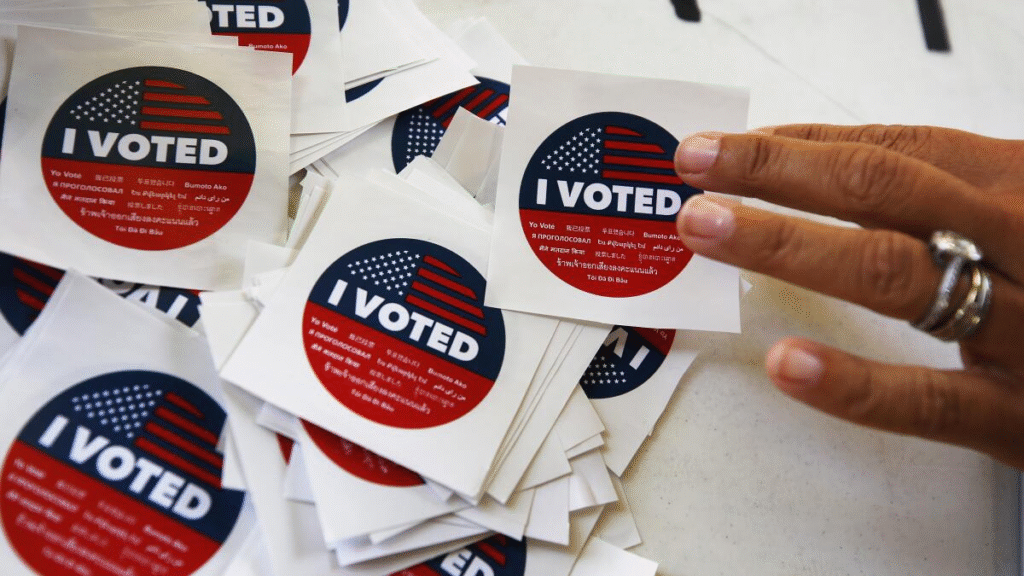
Many celebrities openly endorse Democratic candidates, organize benefit concerts and fundraisers for campaigns, speak at rallies, and appear in social-awareness ads. During presidential elections, for example, Hollywood transforms into a hub of campaign activity. Endorsements from stars capture the attention not only of Angelenos but of voters across the country. Furthermore, Hollywood is home to powerful organizations that engage in political lobbying, advancing causes like social justice, human rights, gender equality, and environmental protection.
Key Election Issues
The political preferences of Angelenos are largely shaped by local problems that become central themes in election campaigns:
- The Homelessness Crisis. The city is facing one of the worst homelessness crises in the nation. Tens of thousands of people live on the streets, in makeshift encampments, or in their vehicles.
- Healthcare Accessibility. Although Los Angeles is a center for medical technology and research, not all residents have access to quality services due to high costs. Democrats promise to expand healthcare programs and support low-income families, while conservatives emphasize cost-efficiency and private-sector solutions.
- Transportation Infrastructure. Traffic congestion, an underdeveloped public transit network, and related environmental problems are chronic challenges for the city. Political debates often revolve around funding for new metro lines, expanding bike infrastructure, and transitioning to electric vehicles.
- Climate Change. With threats of wildfires, droughts, and risks to coastal areas, climate challenges are especially pressing in Los Angeles. Voters expect candidates to present concrete plans for climate adaptation, ecosystem protection, and the development of renewable energy.