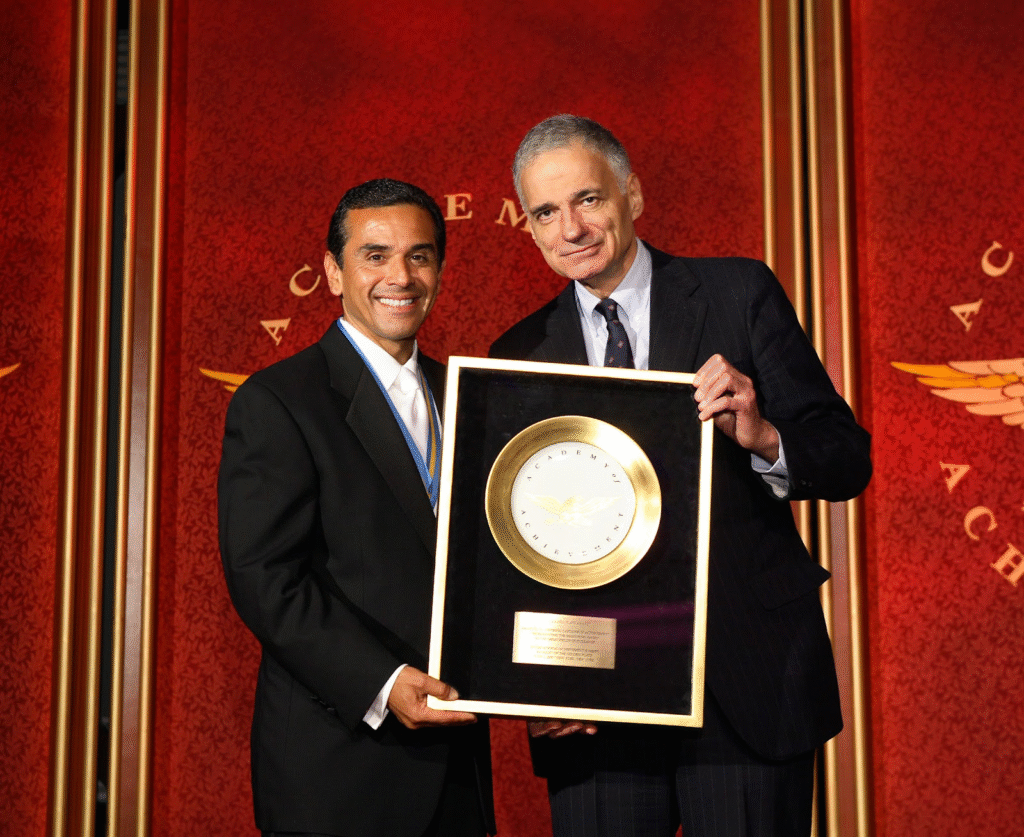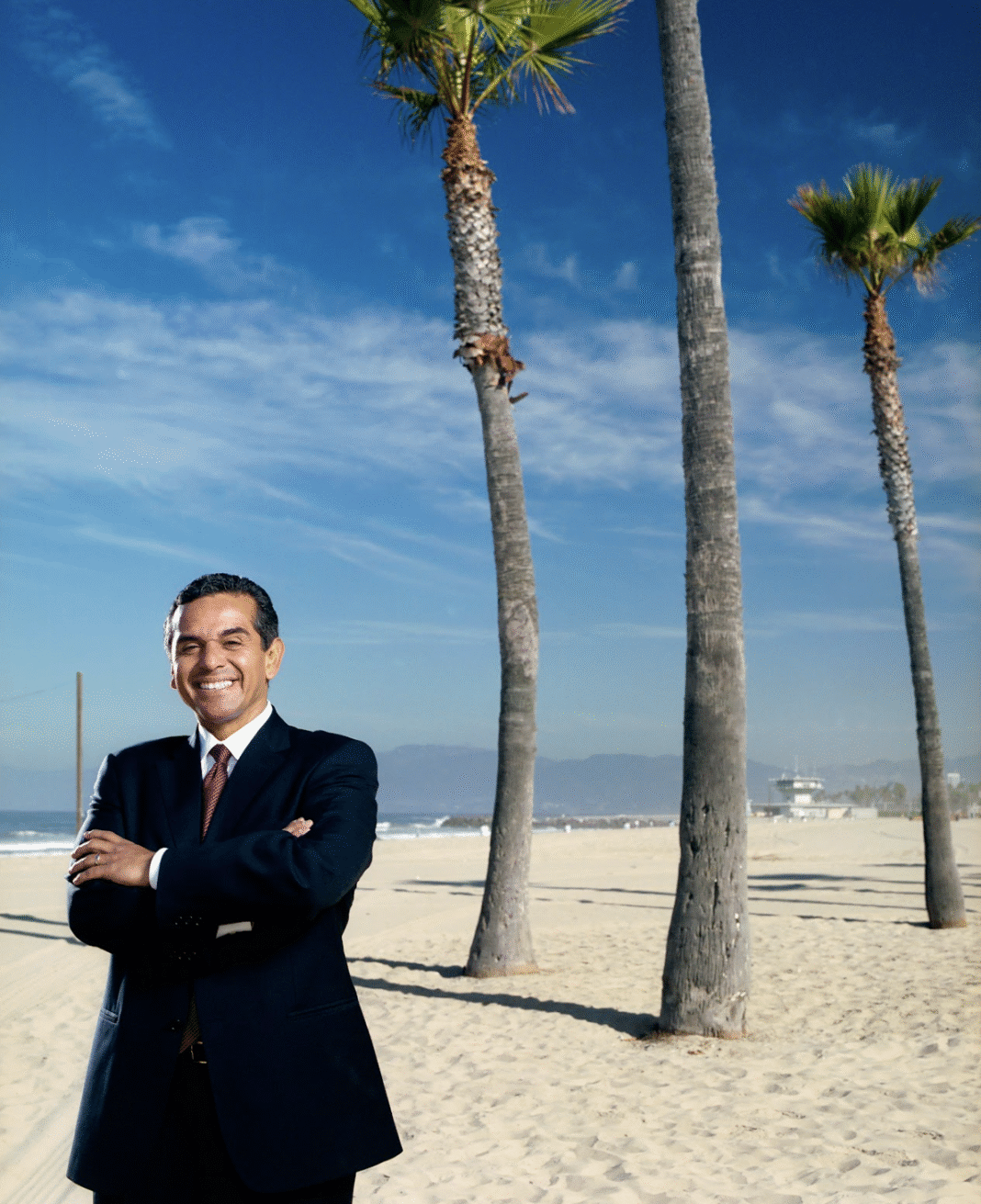

The 41st mayor of Los Angeles, Antonio Villaraigosa served from 2005 to 2013, becoming the first Latino mayor of the city in over 130 years. His political career also includes time in the California State Legislature, where he served as Speaker of the State Assembly, and as a member of the Los Angeles City Council. You can learn more about this at layes.info.
Biography
Antonio Villaraigosa was born on January 23, 1953, in East Los Angeles to a family of Mexican immigrants. As the eldest child in a low-income household, he was raised with a strong emphasis on education and hard work. Villaraigosa’s childhood and youth were shaped by economic instability and social inequality, experiences that fueled his commitment to justice and community activism.
After graduating from high school, Villaraigosa attended the University of California, Los Angeles (UCLA), where he earned a degree in political science and became actively involved in student organizations. Following his time at UCLA, he continued his education at the People’s College of Law, laying the groundwork for his future in law and public service.
His professional career began with a deep involvement in social and labor union work. Villaraigosa worked as a union organizer and advocate, helping workers and low-income communities fight for their rights. This experience was crucial in shaping his political strategy and community-focused leadership style.
Political Career
Antonio Villaraigosa’s political career began with his active involvement in community organizing and labor unions, which provided him with his first taste of leadership and grassroots engagement. In 1994, he was elected to the California State Assembly, where he quickly gained influence and became the Speaker of the Assembly—the first person from Los Angeles to hold the position in 25 years. In this role, he championed legislative initiatives aimed at improving education, promoting social justice, and expanding economic opportunities for the city’s residents.
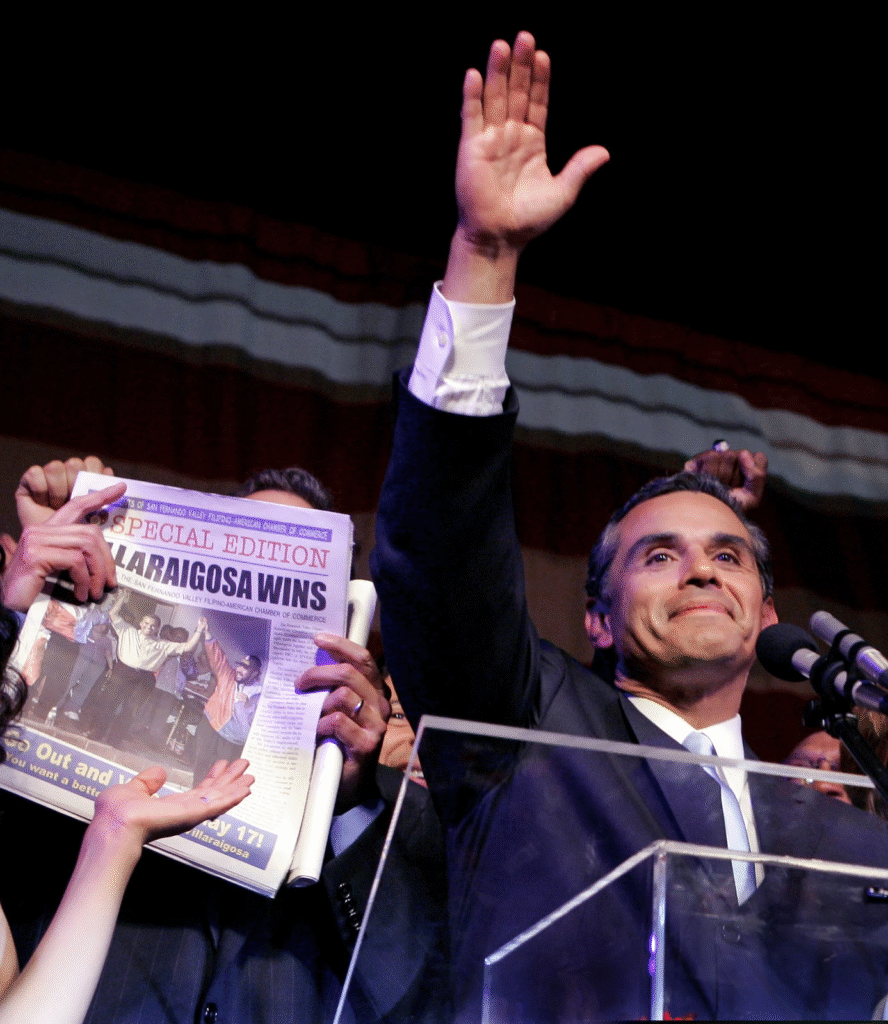
After an unsuccessful bid for mayor in 2001, Villaraigosa remained in politics and was elected to the Los Angeles City Council, a key step that paved the way for his return to higher office. In 2005, he defeated incumbent James Hahn to become mayor, marking the first time a Latino held the position in over 130 years.
During his two terms as mayor, Villaraigosa implemented significant reforms in transportation, education, public safety, and sustainable development. His efforts helped strengthen community trust and left a lasting impact on the city. After his mayoral tenure, he continued his political career, running for governor of California in 2018 and announcing his intention to run again in 2026. Villaraigosa’s career demonstrates consistent leadership growth, an ability to blend legislative work with city management, and a dedication to solving social issues at various levels of government.
Mayor of Los Angeles
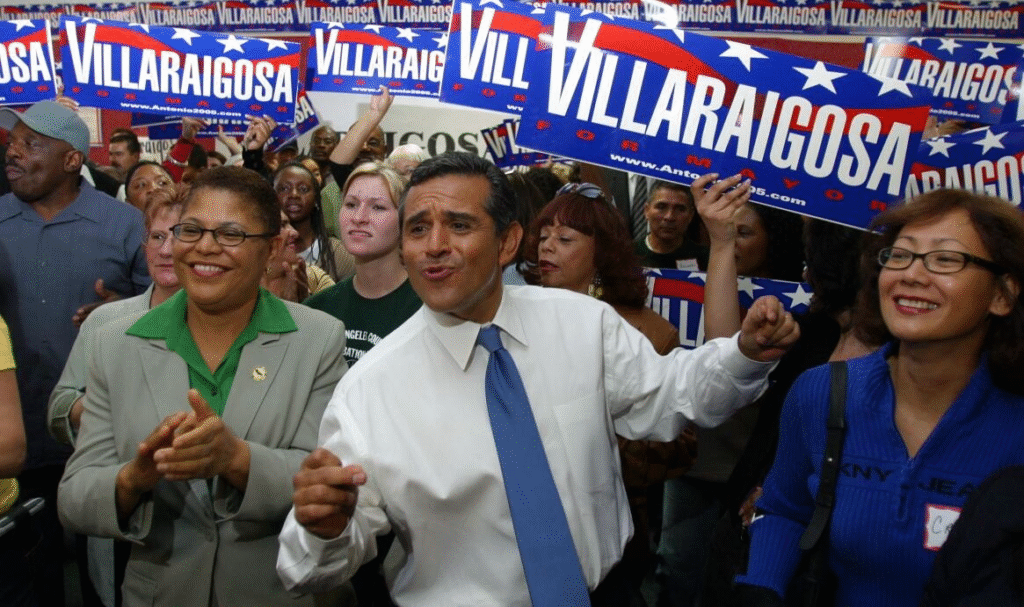
In 2005, Villaraigosa defeated incumbent Mayor James Hahn to become the 41st mayor of the city and the first Latino to hold the office in over a century.
Villaraigosa’s tenure was marked by a systematic approach to urban development and improving the quality of life for residents. The main focuses of his work included:
- Transportation. Villaraigosa championed Measure R, an initiative that secured nearly $40 billion for public transportation development. This funding supported the expansion of the subway network, the construction of light rail lines, and the modernization of transportation infrastructure, significantly improving residents’ mobility and helping to reduce traffic congestion in the city.
- Education. Despite resistance from conservative factions and bureaucratic hurdles, he successfully established a partnership to manage 22 Los Angeles schools. This initiative was aimed at enhancing the quality of education, attracting top-tier teachers, and creating a more effective system for monitoring the learning process.
- Public Safety. The mayor expanded police authority and implemented new strategies to combat gangs and organized crime. As a result, the city’s crime rate gradually decreased, and residents reported feeling safer in their neighborhoods.
- Sustainable Development and Environment. Villaraigosa launched programs for energy conservation and the adoption of “green” technologies. These efforts included retrofitting public buildings, expanding the use of renewable energy sources, and promoting clean transportation. These measures contributed to the city’s sustainable development and improved the quality of life for its residents. He also actively supported the creation of the LA Cleantech Incubator and championed the organization at its launch, demonstrating his commitment to advancing clean technologies in the city.
One of Antonio Villaraigosa’s notable initiatives as mayor was the reform of the Department of Animal Services. In January 2005, while addressing a coalition of animal rights advocates, Villaraigosa pledged to implement a “no-kill” policy, ending the euthanasia of healthy animals, and to fire General Manager Guerdon Stuckey, who was appointed by the previous mayor, James Hahn. In January 2006, Villaraigosa appointed Ed Boks as the department’s new general manager. However, Boks resigned in April 2009 following complaints from some staff, city council members, and animal advocates. In June 2010, fifteen months after Boks’s resignation, Brenda Barnette was appointed as general manager, bringing a new level of professionalism to the department’s management. This series of changes highlights Villaraigosa’s commitment to improving animal welfare, raising professional standards within the department, and implementing a humane “no-kill” policy, which became a significant part of his social agenda as mayor.
Villaraigosa’s term demonstrated how a strategic combination of reforms in transportation, education, safety, and the environment can transform large cities, making them more modern, safe, and community-oriented.
Legacy and Impact
Antonio Villaraigosa left a significant mark on the development of Los Angeles, proving that leadership can effectively combine efficient management, innovation, and a focus on community needs. His key transportation initiatives, particularly his support for Measure R, secured massive funding for the development of subways, light rail lines, and public transit, which greatly improved residents’ mobility and reduced traffic congestion. In education, Villaraigosa laid the groundwork for long-term change. The school management partnerships he initiated enhanced the quality of learning, attracted new resources, and improved access to education for children from all parts of the city.
Villaraigosa stands as an example of a politician who, despite a challenging childhood and personal hardships, reached significant heights in politics, leaving behind a legacy of reform, innovation, and socially-oriented solutions. His tenure showed that active leadership and a strategic approach to a city’s problems can improve the lives of millions, leaving a lasting positive impact for future generations.