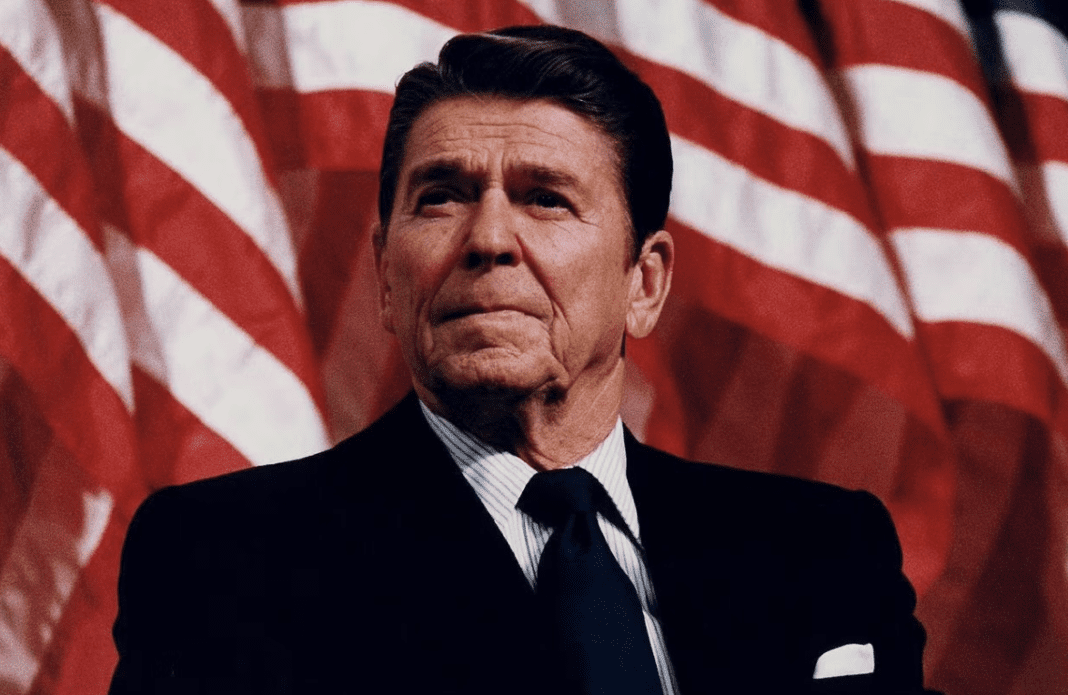

Ronald Reagan is remembered as one of the most influential leaders of the 20th century. His career journey took him from Hollywood actor to Governor of California, and then to the White House, where he served two presidential terms. Reagan became a symbol of the conservative resurgence in the U.S., a staunch opponent of communism, and a major proponent of the “American Dream.” He took the nation’s helm during a profoundly difficult period: facing an economic crisis, a severe fuel shortage, and intensely strained relations with the Soviet Union. Reagan didn’t shy away from confrontation and ultimately prevailed in the Cold War. You can also learn about the assassination of Robert F. Kennedy in Los Angeles. More at layes.
Biography
Ronald Reagan was born on February 6, 1911, in Tampico, Illinois. Due to financial struggles, he began working as a lifeguard in his teens and held that job for seven years. In 1928, he graduated from high school in Dixon and enrolled at a college in Eureka, majoring in economics and sociology. After college, his pleasant, resonant voice landed him a job as a sports radio announcer.
In 1937, Ronald moved to Hollywood to pursue acting. Warner Bros. offered him his first contract. While most of his roles were secondary, the future U.S. President still appeared in over 50 films. During World War II, he served in the Army Air Force’s cinematic unit, where he produced training films for the military.
Political Career
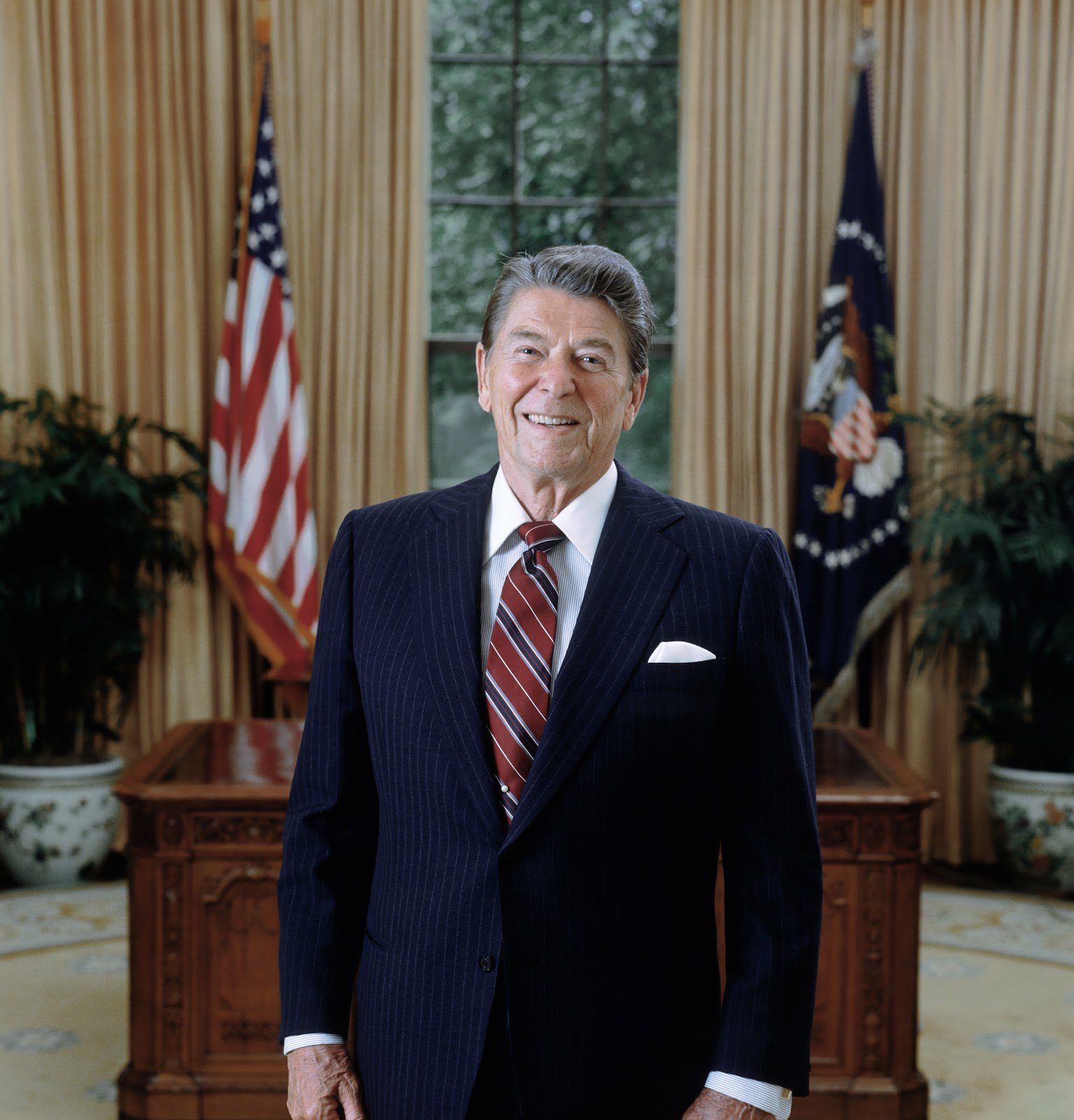
Reagan was deeply involved in the actors’ union. He joined the Screen Actors Guild (SAG) in 1938 and became the organization’s president ten years later. This union experience paved the way for his political career, which progressed to the Governorship of California.
Reagan first attempted to run for president in 1976 but was defeated by Democrat Jimmy Carter. In the very next election, however, he won a decisive victory, securing 489 electoral votes. Interestingly, he began his political life as a New Deal Democrat (a “Roosevelt Democrat”) but officially switched his party affiliation to Republican in 1962.
Upon taking office, Reagan immediately announced a new economic course: “Reaganomics.” This policy coincided with the rise of conservative forces within the Republican Party and a broader neoconservative wave across many developed Western nations. Reaganomics represented the socioeconomic policies of the Reagan administration, rooted in neoconservative ideology.
Reagan decided to fundamentally restructure the American economy by reversing the approaches of previous presidents. Specifically, he aimed to replace Keynesian demand-side economics with the opposing “supply-side economics.” The core goal was to spur economic development by introducing new technologies, streamlining production, and leveraging scientific innovation. His economic strategy involved a regressive tax system—meaning the higher a citizen’s income, the lower the percentage of tax collected. This strategy was intended to create incentives for business expansion and improvement. The government’s firm stance in protecting the interests of the entrepreneurial class led to a sharp decline in the political influence of organized labor unions.
During Reagan’s presidency, federal social programs were also significantly adjusted. Spending on healthcare, unemployment support, and aid was reduced. However, the president simultaneously signed nearly 100 other social programs into law, prioritizing care for the elderly.
The U.S. Financial Challenge
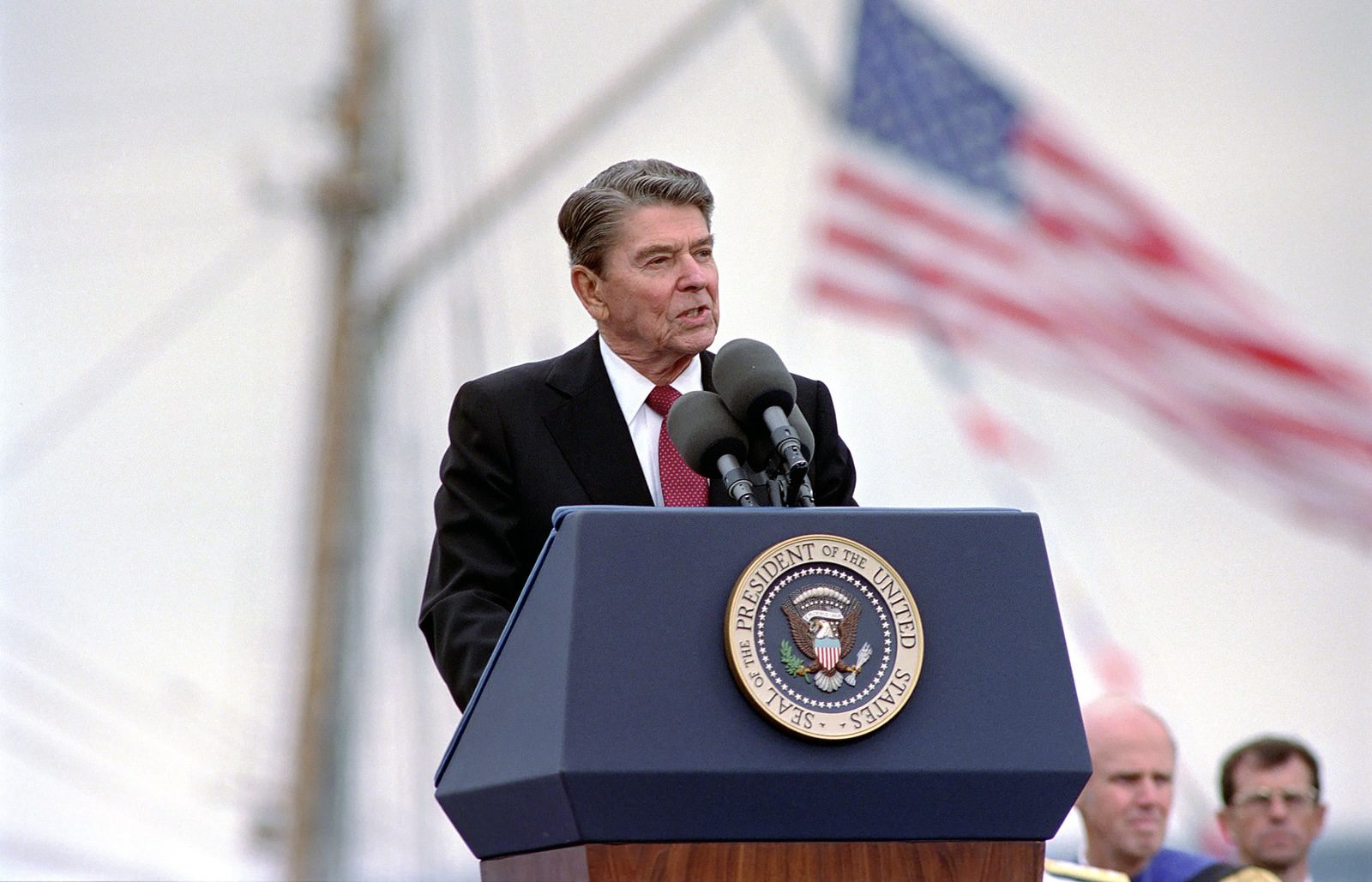
The combination of lower taxes and soaring military spending created a massive budget deficit, forcing the government to borrow money on a scale unprecedented in peacetime. Much of this capital came from abroad, primarily from Japan. To attract these creditors, the administration maintained relatively high interest rates, which, in turn, made the dollar more valuable than other major foreign currencies.
In response to the sharp deterioration of federal finances, the government took steps to stabilize the country’s economic life. This included selling off government debt and deliberately slowing economic growth, which increased demand for money and further raised interest rates. This approach to solving economic problems, however, had negative consequences, especially in the agricultural sector. Reduced exports of farm products, higher fuel costs, and rising interest rates led to a noticeable drop in agricultural profits and a decline in the purchase of new machinery and equipment.
The scientific and technological advantage of the United States became undeniable in the 1980s. The President’s economic policies boosted the efficiency of the American economy and demonstrated its capacity for implementing new scientific technologies. In 1981, IBM released the first personal computer; cable television and VCRs became common in American households. By 1983, the framework for the mobile phone network began to take shape.
A significant portion of the country’s budget was directed toward strengthening defense and developing military technologies. Reagan’s foreign policy was characterized by a sharp confrontation with the Soviet Union, an approach that brought the world closer to nuclear war. He famously characterized the Soviet Union as the “Evil Empire” and the “focus of evil in the modern world.” In 1983, Reagan announced the Strategic Defense Initiative (SDI), often dubbed “Star Wars.” This program envisioned creating a missile defense system capable of destroying enemy nuclear missiles from space. Japan, Australia, and Israel later joined the effort to implement this program.
Second Term as U.S. President
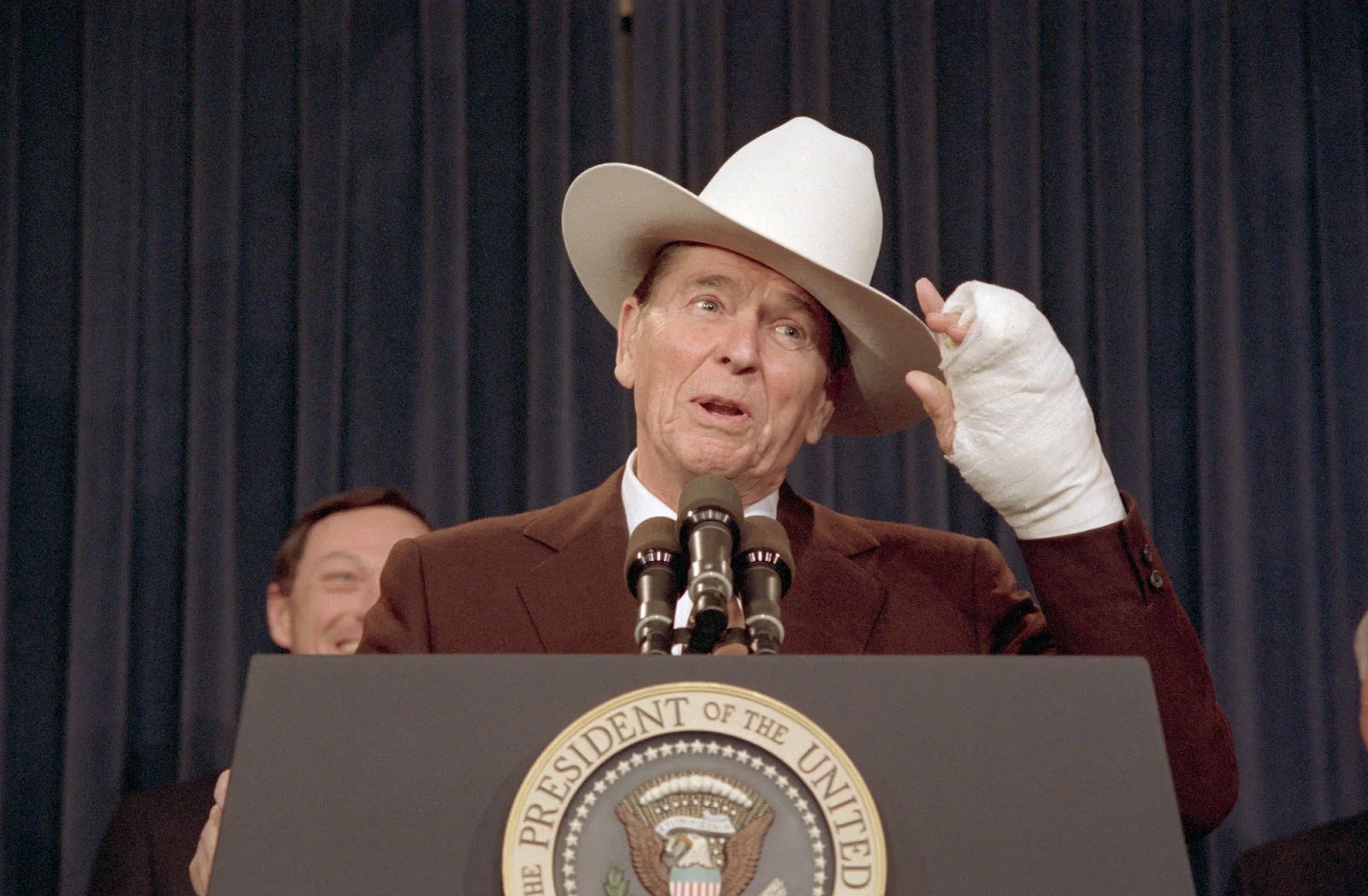
Reagan’s second term saw a dramatic shift in foreign policy, turning toward improving relations with the USSR. A defining feature of the “Reagan Doctrine” was its heightened ideological focus. Neoconservatism was promoted under the banners of the unique American way of life and the universality of American values. Conservatives referred to this period of his leadership as the “Reagan Revolution.”
Ronald Reagan might have sought a third term had the Republicans not adopted an amendment back in the late 1940s that barred such a possibility. In the 21st century, the evaluation of his policies remains a subject of active debate in American society. Despite the various criticisms, Reagan’s presidency left an indelible mark on the political and cultural history of the U.S. and the world. His conservative views remain a critical component of American politics, and the results of his policies represented a positive step toward achieving high performance across various sectors of American life.
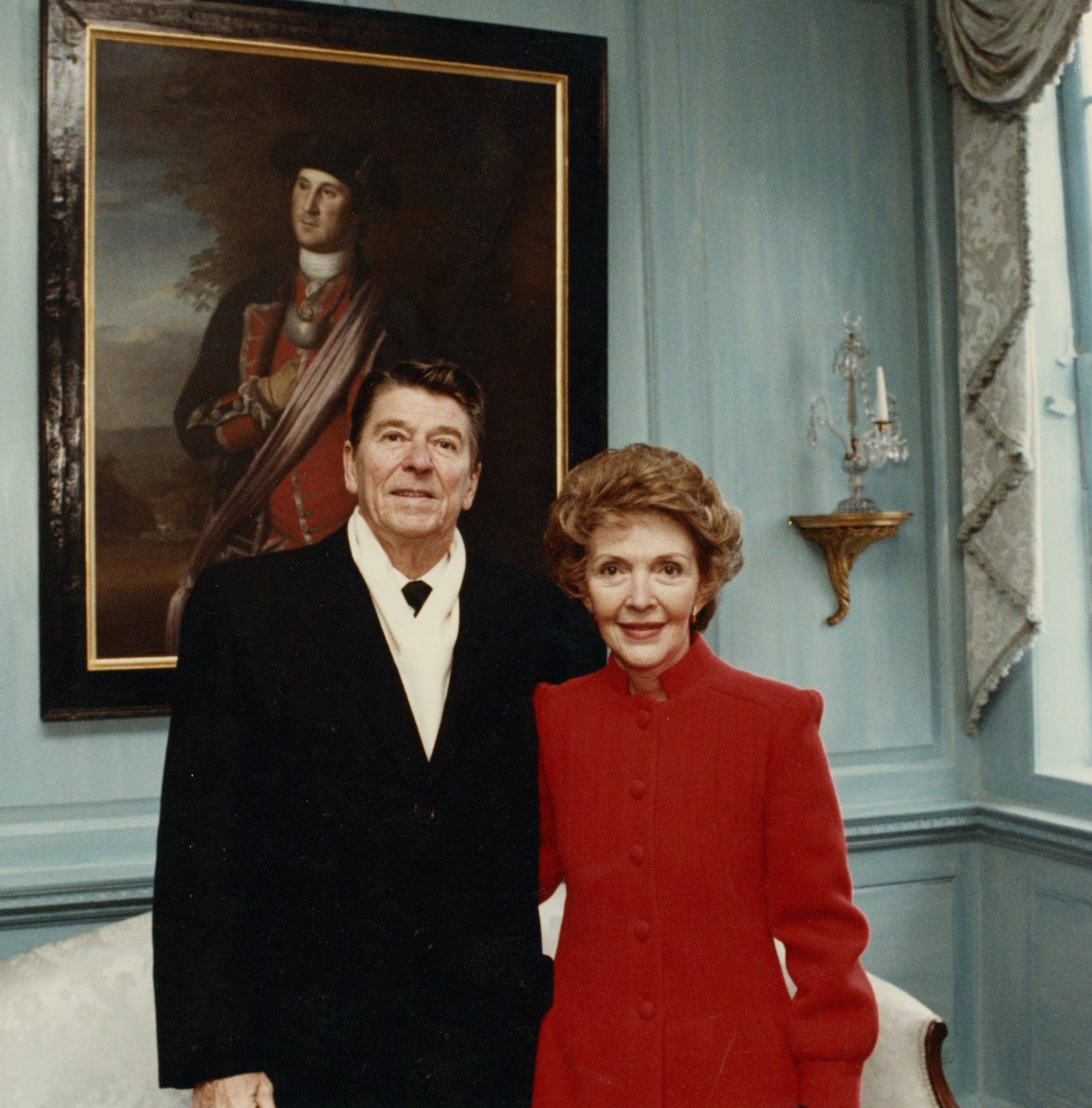
After his second term ended, Reagan stepped away from major politics but remained active in public life. In 1994, he publicly announced he was suffering from Alzheimer’s disease, which prompted his withdrawal from public activities. Reagan passed away on June 5, 2004, at the age of 93. His funeral became a national event, drawing leaders and citizens from around the world.
- https://open.clemson.edu/cgi/viewcontent.cgi?params=/context/faculty_monographs/article/1000/&path_info=HeartlandChapter1.pdf
- https://www.reaganlibrary.gov/public/2021-08/40-840-212576454-RS122-002-2021.pdf
- www.dspace.megu.edu.ua:8080/jspui/bitstream/123456789/4007/1/Zbirnuk_materialiv_konferencii_2023-77-82.pdf