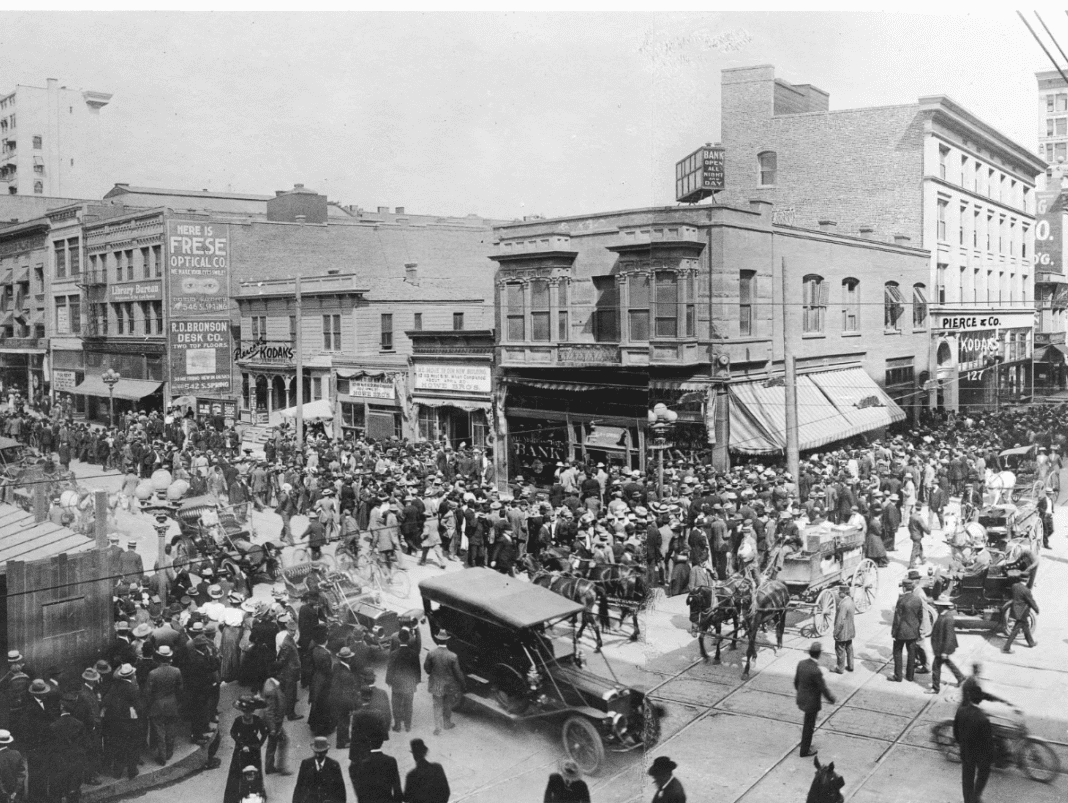

The Los Angeles Charter of 1925 is the foundational document that defines the city’s governance structure. It replaced the previous charter from 1889, introducing a new system of administrative control tailored to the needs of a rapidly growing metropolis. The charter was drafted by a Board of Freeholders, which was elected by voters in June 1923. It was presented to voters in 1924, adopted by a decisive majority, and became effective in 1925. Read more at layes.info.
Background to the Charter’s Adoption
In the early 20th century, Los Angeles was experiencing explosive growth. By 1920, its population exceeded 570,000, and rapid industrial development, expanding transportation infrastructure, and an influx of new residents demanded more efficient governance.
The old 1889 charter created a fragmented system where the City Council had limited authority, and control over key sectors was exercised by independent commissions. This fragmented structure led to bureaucratic confusion, corruption, and inefficiency. In 1924, a special commission prepared a draft for a new charter, which was adopted by city voters in a referendum on May 5, 1925.
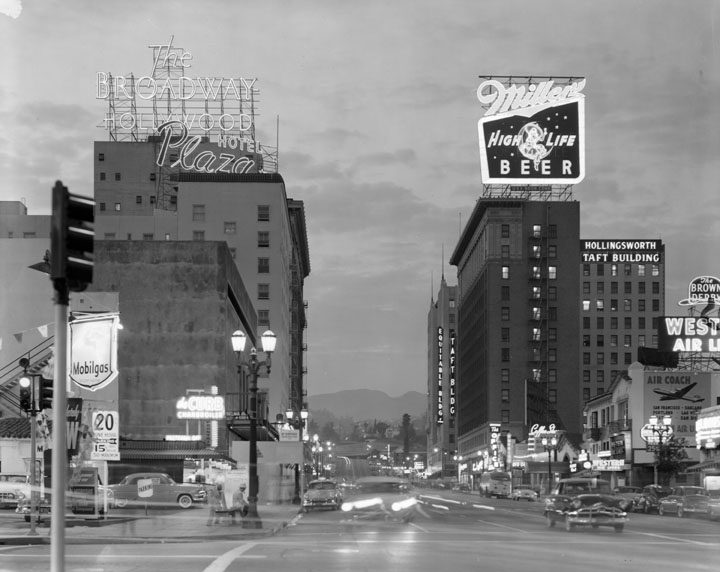
Key Provisions of the Charter
The new 1925 charter fundamentally shaped Los Angeles’s political culture, including a pervasive fear of corruption among elected officials. The charter strengthened the position and duties of the Mayor and prohibited the City Council from interfering in administrative matters. The charter also established citizen commissions, appointed by the Mayor, to oversee city departments. While many cities had advisory boards or commissions to engage citizens, Los Angeles is unique in the extent of these commissions’ decision-making authority. The general managers of most charter departments were exempted from civil service oversight.
Crucially, the charter established a strong mayor-council system. The Mayor’s powers were significantly expanded. Previously, the Mayor had a mostly ceremonial role, but the 1925 charter granted the authority to appoint and remove heads of city departments, wield veto power over City Council decisions, and assume responsibility for efficient city management.
Simultaneously, the City Council was reorganized. The number of City Council members was reduced from 15 to 9. This was intended to reduce bureaucracy and make decision-making more effective. The Council gained greater control over the city budget, though executive authority remained with the Mayor.
Separate departments were also established. Prior to 1925, various independent commissions managed key sectors like water supply, public transit, and police. The new charter transferred these functions to unified departments. This move was intended to reduce corruption and chaos in city administration.
The charter also introduced a civil service system. This was deemed necessary to reduce political influence over public employees. Appointments to government positions were meant to be based on merit-based competitions rather than political connections. While the civil service system aimed to make the city administration more independent, in practice, department heads were appointed by political authorities. Some civil servants faced politically motivated firings if their activities conflicted with the Mayor’s interests.
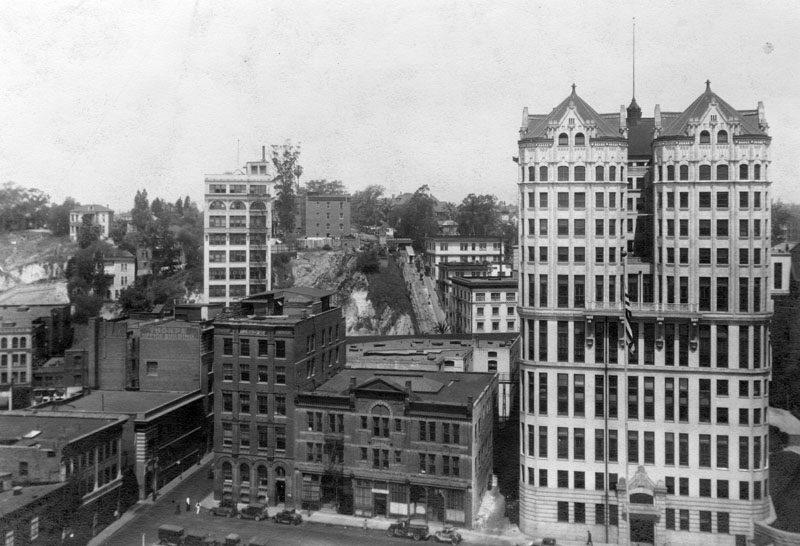
How the Charter Impacted the City
After 1925, a noticeable increase in administrative efficiency was achieved. The centralization of power and the strengthening of the Mayor’s role allowed for faster decision-making. This, in turn, facilitated the development of infrastructure, water supply, and public transport. Corruption risks were partially mitigated through the competitive selection of civil servants.
The 1925 Charter became the foundation of modern Los Angeles governance. While its provisions have been amended numerous times, the basic principle of strong executive authority and centralized administrative control has endured. This document was revolutionary, successfully modernizing city governance in response to the challenges of rapid population growth.
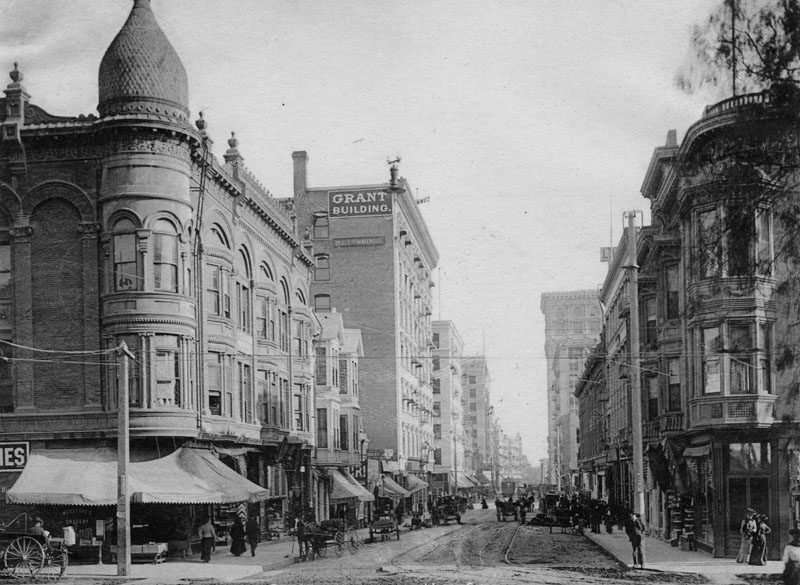
Criticism of the Charter
Although the 1925 charter was a major milestone for local self-governance in Los Angeles, it failed to prevent the abuses that occurred during Mayor Frank Shaw’s administration. The Shaw era was marred by accusations of corruption. The charter did, however, provide the ultimate remedy: a successful recall by voters in 1938.
The Shaw regime served as a great moral lesson for Los Angeles reform. Shaw acted within the confines of the 1925 charter before it was amended to extend civil service protection to general managers of departments. In 1937, a charter amendment granted civil service status to most department heads. The Shaw regime reinforced the fear that elected officials could become corrupt. However, the attempt to prevent corruption through the sweeping application of civil service to department heads was viewed by some reformers as an obstacle to democratic accountability.
Even with many valuable features, the charter was subject to debate from its earliest years. The first of a series of charter commissions issued a report in 1934, criticizing the document for its ambiguity and lack of accountability. Other citizen commissions complained that the Mayor’s power was too restricted by the powerful City Council. Mayor Fletcher Bowron, elected in 1938, made efforts to strengthen the Mayor’s office and exert executive control over departments. Bowron attempted to create a City Administrative Officer (CAO) in 1945, but the Council refused to support his proposal. That same year, he ordered department heads to report to the Council only through the Mayor.
Activists criticized the charter for centralizing power in the hands of the Mayor. Strengthening his authority meant significant control over city governance rested with one person. This could potentially lead to biased political appointments. Some critics believed the new system merely changed the form of corruption rather than eliminating it.
At the same time, the authority of the City Council was diminished. The Council previously had more control over various city structures, whereas after 1925, its influence was significantly reduced. Although the Council could approve the budget and override the Mayor’s veto, the process was complicated.
Changes to the Charter’s Provisions
By the 1950s, the charter was labeled as hopelessly outdated. In 1966, Mayor Sam Yorty appointed a Charter Reform Commission led by USC Dean Henry Reining. The Reining Commission worked for two years and prepared a draft of a new city charter. Its proposals were sweeping and controversial. It discarded the old charter and developed a completely new one. The proposed charter gave the Mayor far more power, established a system of elected neighborhood councils with advisory authority, and largely eliminated the managerial role of citizen commissions. Under the Reining charter, the City Administrative Officer would report only to the Mayor. While Yorty was pleased with the commission’s recommendations, the City Council was not. The Council rewrote the Reining charter draft. The CAO’s dual reporting role was reinstated, and the neighborhood councils were removed. In many ways, the Council’s revised charter genuinely improved and simplified the document, eliminating many unnecessary details.