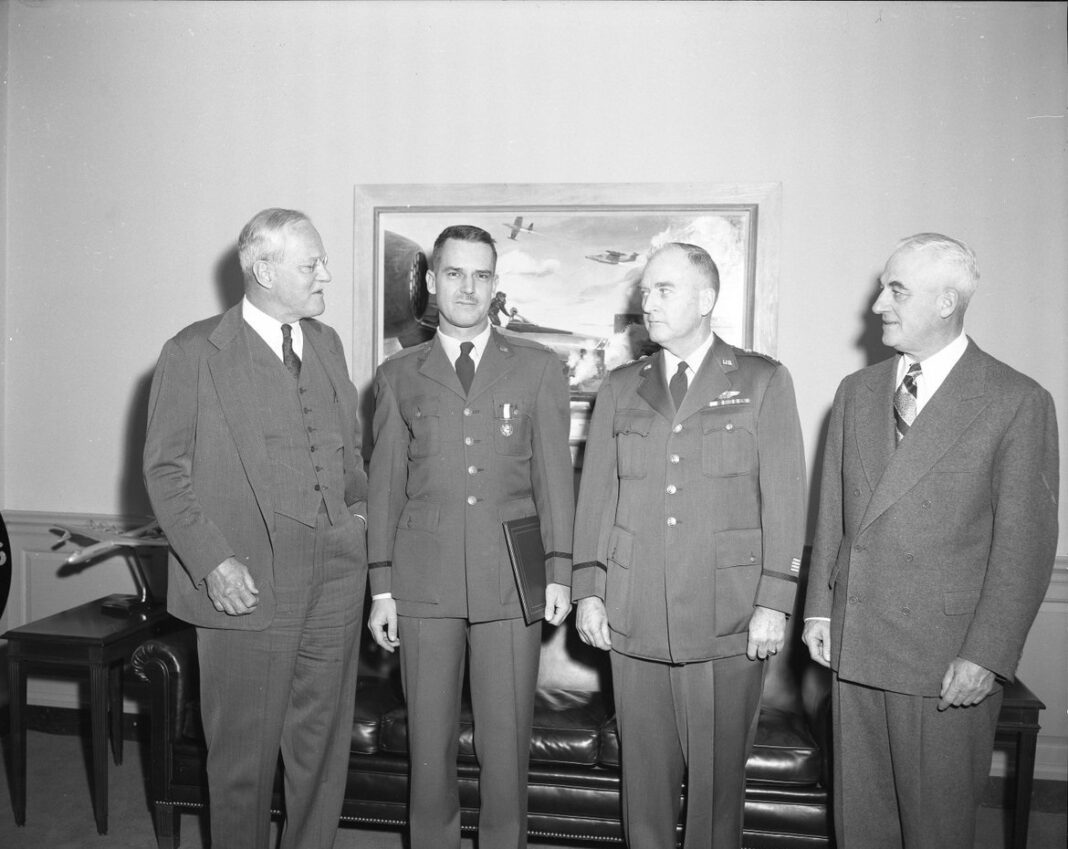

He served as an officer in the U.S. Air Force until his retirement in 1963. Even after reaching the rank of major general, he dedicated himself to serving the CIA. Edward Lansdale was a genuine trailblazer in clandestine activities and psychological warfare. For further insights into his remarkable journey and much more, visit layes.info.
What do we know about Edward Lansdale?
Born in Detroit, Michigan, he moved to Los Angeles where he spent his childhood. Among four siblings, he was the second son. Throughout his formative years, he went to schools in Michigan, New York, and California. After that, he pursued higher education at the University of California in Los Angeles while also working as a writer for newspapers and magazines to support himself.
Lansdale found foreign languages to be the toughest part of his studies. It was a challenge for the young man, leading to his decision to leave the University of California with just a few credits remaining until graduation. Instead, the future officer opted for a well-paying position in advertising in Los Angeles and San Francisco.
Career
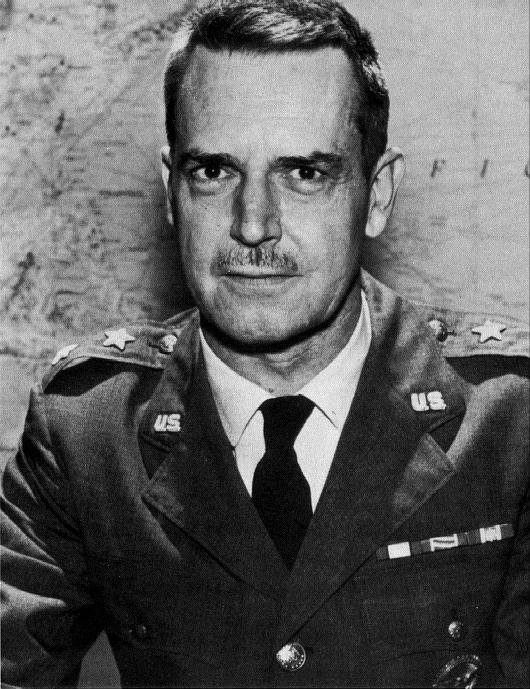
It can be divided into several blocks, including his time in the Philippines, Vietnam, and the Campaign Against Castro.
During World War II, Lansdale served in the Office of Strategic Services, where he attained the rank of major. He was sent to the Philippines to assist the Philippine Army and its intelligence services in handling the cases of a significant number of prisoners of war.
By 1948, Lansdale had left the Philippines, moving to a position as an instructor at the Strategic Intelligence School at Lowry Air Force Base. He was promoted to lieutenant colonel on an interim basis, in 1949. Lansdale’s connection to the Philippines continued with his involvement in Magsaysay’s campaign for the CIA in 1953.
Lansdale was then deployed to Vietnam to replicate all the work he had done in the Philippines. He actively participated in training the Vietnamese National Army and played a crucial role in Operation Passage to Freedom, which aimed to bolster the propaganda campaign.
The Campaign Against Castro should also be mentioned separately. Between 1957 and 1963, the officer served as the Deputy Assistant Secretary for Special Operations at the Department of Defense in Washington, DC. He was also a member of the President’s Committee on Military Assistance and held the role of Assistant Secretary of Defense for Special Operations. One of his missions was to overthrow the Castro government, with part of Operation Mongoose.
Enemy’s psychology
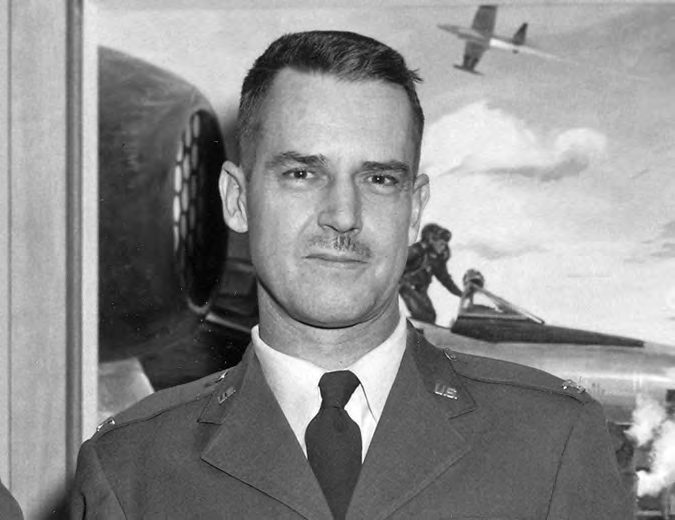
The renowned operative believed understanding the enemy’s psychology was key to achieving victory in guerrilla warfare. This strategy garnered the endorsement of both the Kennedy and Johnson presidential administrations.
It’s worth exploring this strategy further, commonly referred to as psychological warfare. Here are the key principles for its implementation:
- Understanding the enemy: This involves comprehending the enemy’s culture, language, values, and motivations.
- Influencing the enemy: Use propaganda, disinformation and other psychological tactics to influence the enemy’s emotions, thoughts and behavior.
- Supporting friendly forces: Providing support and assistance to friendly forces to enhance their ability to confront the enemy effectively.
Lansdale’s approach was often criticized for being harsh and immoral. For example, some critics claimed that his methods were propaganda and lies. However, Edward Lansdale’s influence in the realm of psychological warfare remains significant. Even today, military officials and politicians still debate his approach to guerrilla warfare.
Personal life and career after retirement
It is known that Lansdale was married twice. From his first marriage, he had two sons.
He officially retired on November 1, 1963. However, between 1965 and 1968, a major general served as a minister at the U.S. Embassy in Saigon. In his memoir, In the Midst of Wars: An American’s Mission to Southeast Asia, he provides further insight into his experiences in the Philippines and Vietnam.
Cecil Currey wrote his biography in 1988, titled The Unquiet American. The book saw publication the following year after Lansdale’s passing.