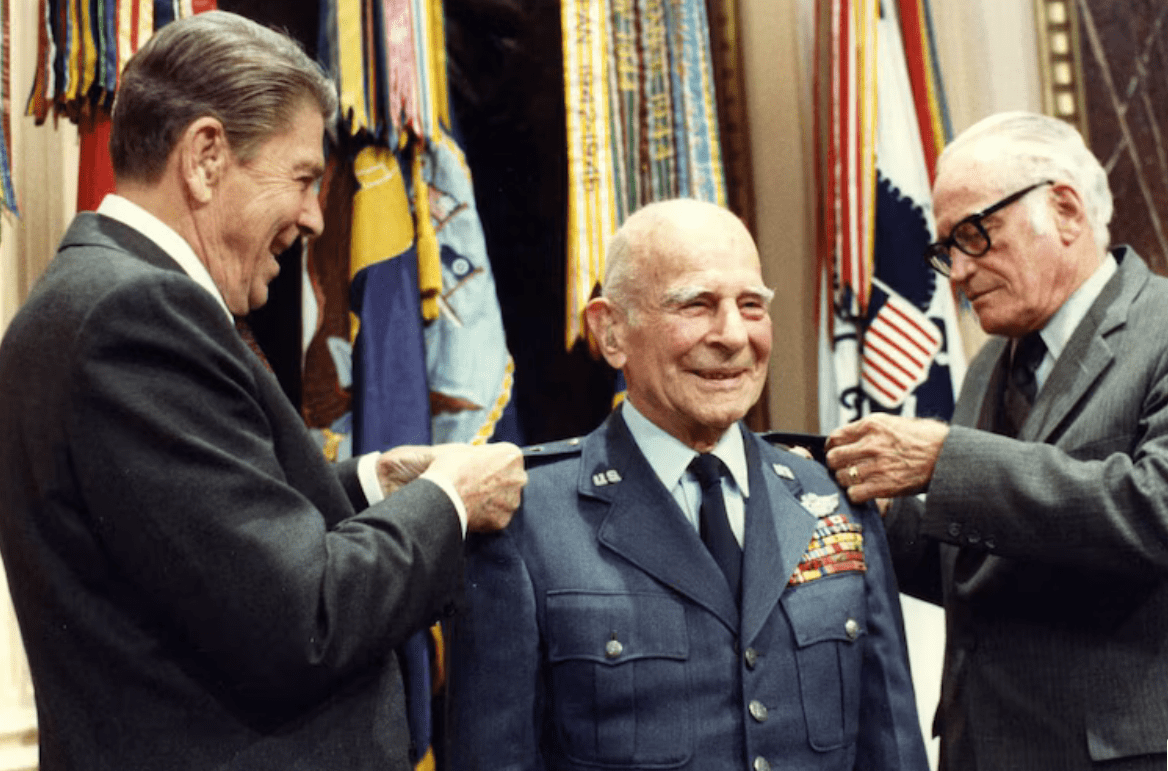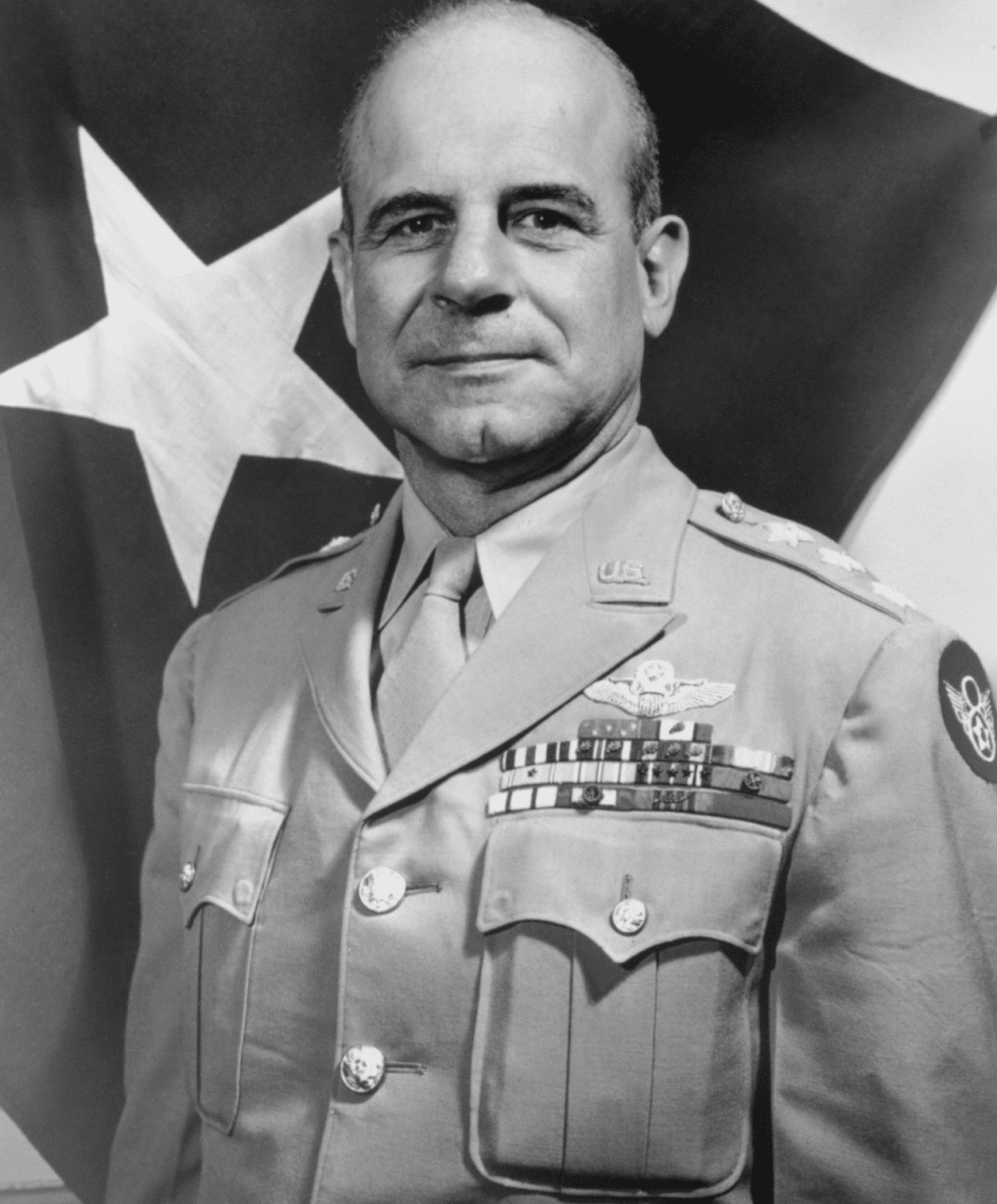

The legendary U.S. Air Force General, aviation pioneer, scientist, and hero, Jimmy Doolittle’s career spanned the rise of modern American air power. He is most famous for organizing and leading the Doolittle Raid—the U.S.’s first retaliatory strike against Japan following the attack on Pearl Harbor—an act of immense moral and strategic significance. Learn more about the history of the 1992 Los Angeles riots. Read more at layes.
Biography
Jimmy Doolittle was born on December 14, 1896, in Alameda, California, to a family struggling with economic hardship. His father was a druggist, and his mother was a homemaker. The family moved to Millville, California, where Doolittle grew up. Despite financial struggles, the boy stood out for his extraordinary curiosity and tenacity, which laid the foundation for his future success. From childhood, Jimmy showed a keen interest in mechanics, aviation, and technology. As a teenager, he developed a passion for boxing and sports, which instilled self-discipline and courage. Distinguished by his physical and mental abilities, he was an active participant in various school sports, helping to forge his character and prepare him for future challenges in life. He entered the University of California, Berkeley, where he studied chemistry and mechanics. This was a time before America entered World War I, and many young men dreamed of a career in aviation. It was during this period that Doolittle embraced the idea of flying and decided to become a pilot. In 1917, he enlisted in the U.S. Army Reserve as a cadet. His decision to become a military pilot proved definitive. Doolittle completed his military training and began studying aviation, which led him to training at the U.S. Army aviation school. During this time, he earned his pilot’s license, making him one of the first in the Army to gain such a qualification.
In the 1920s, Doolittle continued to develop his skills as a pilot, joining military aviation units. His technical proficiency and composure during complex maneuvers quickly drew the attention of leadership. He soon became one of the top instructors at military aviation schools. Doolittle rapidly earned a reputation for his innovative approaches to aviation and dedication to his craft. These early years in the Army laid the groundwork for his future career as a test pilot and strategist. His commitment and technical achievements helped him become a leader in the aviation field, leading to numerous records and heroic missions during World War II.
Scientific Contributions
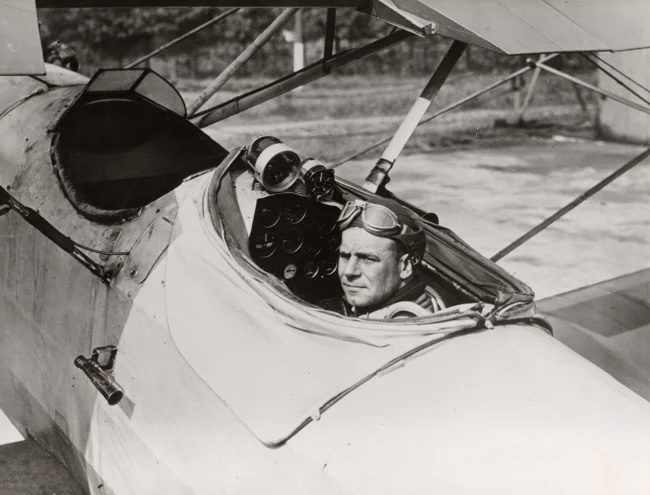
After the end of World War I, Jimmy Doolittle decided to continue his education and advance his knowledge in the field of aviation. In 1920, he enrolled at the Massachusetts Institute of Technology (MIT), where he earned a Doctor of Science degree in Aeronautics. This made him the first U.S. Army pilot to earn a doctoral degree in the field. It was a tremendous achievement that not only defined his career but also fostered the development of aviation technologies in both military and civil aviation. Doolittle didn’t just acquire scientific knowledge; he actively applied it in practice. He was involved in research in several critical areas, including aerial navigation, the use of high-octane fuels, and the development of instrument flying—flights conducted solely by instruments, without visual contact with the ground. This breakthrough became a milestone in aviation technology, allowing pilots to safely fly in poor visibility conditions, such as fog or nighttime, which was especially crucial for military aviation.
The Record Breaker
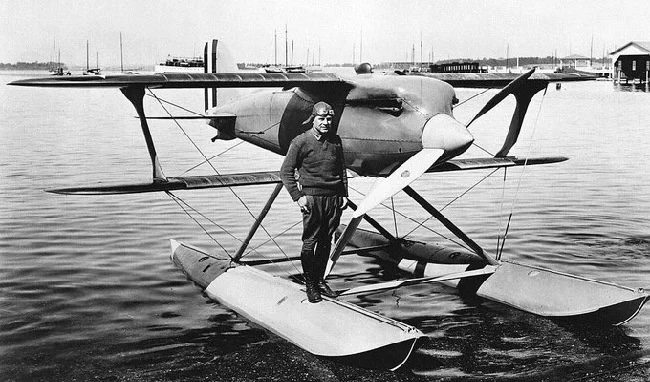
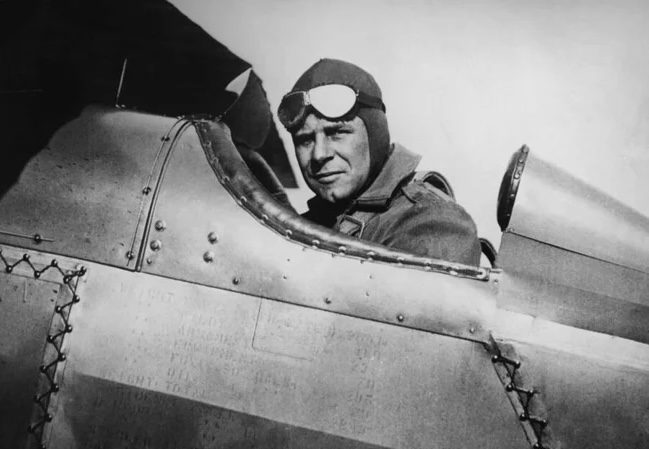
Starting in the 1920s, Doolittle gained widespread fame for his achievements in aviation records. He became one of the most celebrated record-holding pilots of the era. One of his greatest accomplishments was the world’s first “blind flight”—flying solely by aviation instruments, without visual observation of the terrain. This record set a new standard for military and commercial pilots, expanding the possibilities for flying in poor weather conditions, such as fog or at night.
In addition, Doolittle actively participated in prestigious air races. He won such major competitions as the Schneider Cup—one of the highest aviation trophies. These victories boosted his popularity and became an important phase in the development of air racing.
Doolittle also set speed and distance records, which not only demonstrated his exceptional flying skills but also fueled the technical progress of the aviation industry. All these achievements helped establish new benchmarks for the industry and made him one of the most famous pilots of his time.
The Feat That Changed the War
Following Japan’s attack on Pearl Harbor on December 7, 1941, which shocked the United States and pulled the country from its neutral stance into World War II, the U.S. urgently sought a way to retaliate against Japanese aggression. One of the greatest challenges was how to strike Japan itself without having access to mainland bases. This task seemed incredibly difficult, as the Japanese islands were heavily fortified, and direct attacks from U.S. territory seemed impossible due to the vast distance.
In 1942, Major Jimmy Doolittle was given command of a top-secret mission that would serve as the answer to the Pearl Harbor attack. It was an operation demanding incredible technical innovation and great bravery, aiming to bomb Tokyo and other Japanese cities. To accomplish this, Doolittle proposed the idea of using B-25 Mitchell bombers, which would take off from the deck of an aircraft carrier—a feat previously deemed impossible.
On April 18, 1942, after meticulous preparation, 16 B-25 Mitchell bombers launched from the deck of the USS Hornet, located about 800 miles from Japan. The mission, which remained highly classified until the last moment, was carried out under conditions where no bomber had ever before taken off from an aircraft carrier for a long-range operation. It was a true aviation revolution. The task was extremely complex: the planes had to attack Tokyo and other cities and then urgently land in China, where allies were supposed to be waiting for them. However, due to changes in weather conditions and the early detection of the American planes by the Japanese military, the bombers were forced to launch earlier than planned, shortening their fuel reserves. This resulted in some aircrews being unable to reach China and having to parachute out or ditch in the Pacific Ocean. Doolittle personally led the raid, and his courage and strategic thinking made the mission a success. Despite the high risk involved in the operation, he demonstrated true heroism. After completing the mission, all crews were forced to find safety in China, where they were hailed as heroes. For this mission, Jimmy Doolittle was awarded the Medal of Honor—the highest military decoration in the United States.
General and Strategist
In 1944, due to his military accomplishments, Doolittle was promoted to Lieutenant General—one of the highest ranks in the U.S. Air Force. This promotion was a logical recognition of his strategic genius and the results of his work. He remained at the head of important operations, and his successes on the battlefield were of immense significance to the course of the war in Europe and the Pacific. Jimmy Doolittle passed away on September 27, 1993, at the age of 96. He was buried with the highest honors at Arlington National Cemetery. His life is a unique blend of courage, intellect, and strategic thinking. He is considered one of the most important figures in the history of American aviation—not only as a military leader but also as a scientist and reformer.
Also, find out about the best abandoned landmarks in Los Angeles.