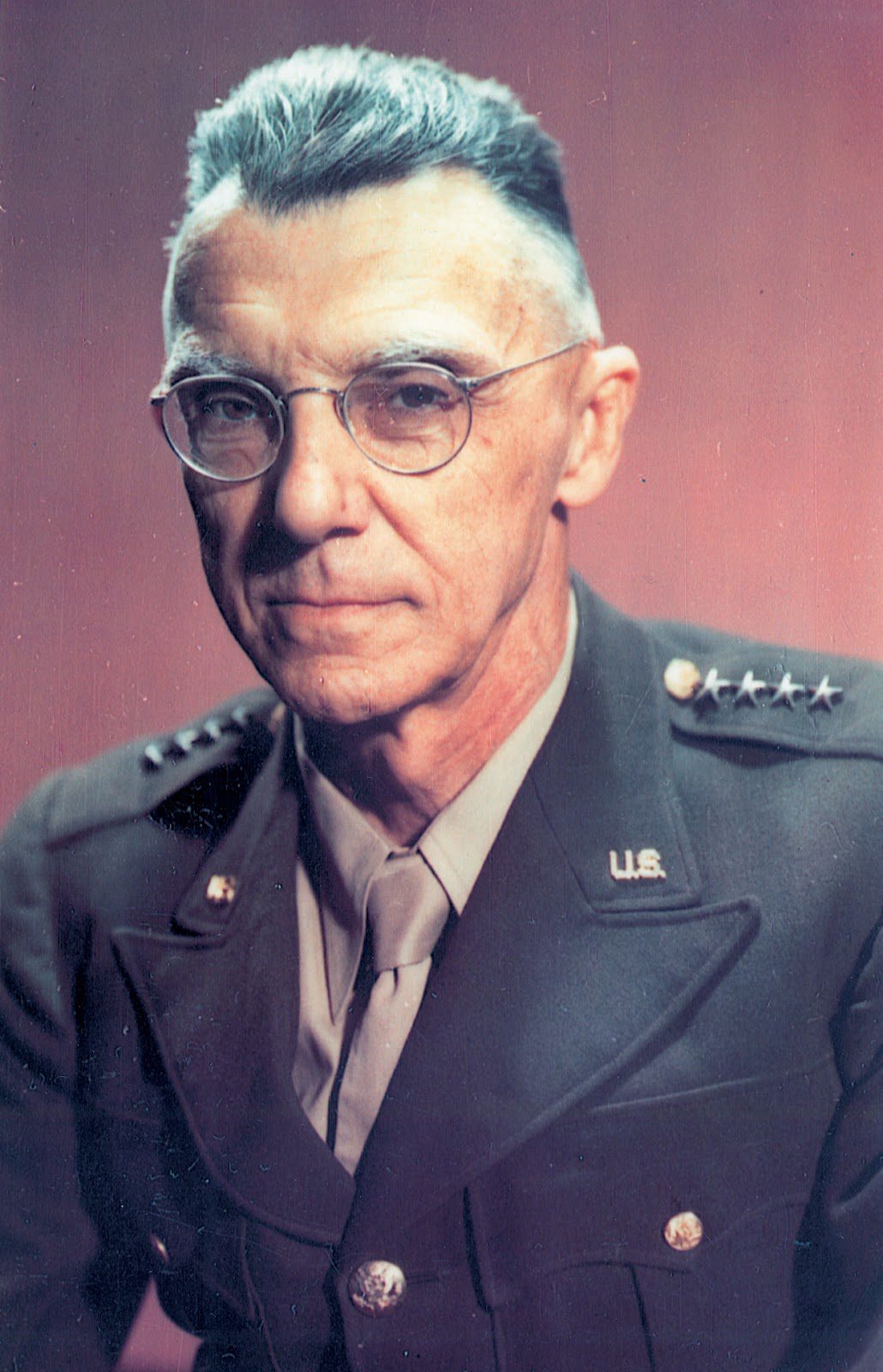

General Joseph “Vinegar Joe” Stilwell remains one of the most vivid yet controversial figures in American military leadership during World War II. His extraordinary character, directness, uncompromising nature, and firm strategic vision made him a hero to his soldiers, but a source of tension among Allied command. In China, he became a symbol of resistance; in the U.S., the epitome of discipline; and in history, an example of a warrior who would not bend under political pressure. Find out how the “Victory over Japan Day” celebration went in Hollywood. Read more at layes.
Biography
Joseph Warren Stilwell was born on March 19, 1883, in Florida, to the family of a well-off businessman. His family had English roots, and traditions of discipline, the Protestant ethic, and patriotism were deeply ingrained from childhood. He was educated at the prestigious Phillips Exeter Academy in New Hampshire, where he showed exceptional aptitude for languages, history, and geography. He was also actively involved in sports, particularly track and field and American football. In 1900, he entered the U.S. Military Academy at West Point, graduating in 1904. Although he was not at the top of his class, Stilwell quickly distinguished himself as an officer with a deep sense of duty and personal responsibility. He was fascinated by military history, strategy, and languages, especially French and Chinese.
His officer service included assignments in the Philippines, Panama, and the United States. During World War I, Stilwell held staff positions because his analytical abilities were valued more highly than field service. After the war, he trained at the Command and General Staff School, and later at the Army War College. However, several long-term assignments to China in the 1920s and 1930s were crucial to his development as a leader. While serving as a military attaché in Beijing, he not only mastered the Chinese language to a high level but also carefully studied the history, traditions, and mentality of the Chinese people. He deeply sympathized with ordinary Chinese citizens and witnessed how corruption and political weakness complicated their fight against Japanese aggression. His directness, propensity for open criticism, and distaste for bureaucracy often caused friction with colleagues, yet he simultaneously earned genuine respect from subordinates and those he served with directly.
World War II
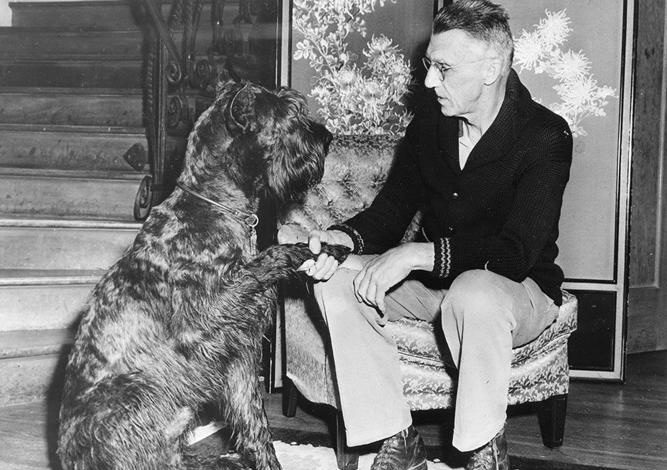
Joseph Stilwell’s role in the China-Burma-India Theater of World War II became one of the defining chapters of his career. After Japan’s entry into the war and the rapid advance of its army into Southeast Asia, Burma became an arena of fierce confrontation. Stilwell was appointed commander of the Chinese-American forces in the region and Deputy Allied Commander in Burma. In 1942, he suffered a severe personal and strategic blow: the Japanese broke through defenses in Burma, and Stilwell himself, along with a small group of officers, was forced to retreat on foot through the jungle to India. This march, over 150 miles through swamps, jungle, and mountain passes, became a symbol of his personal endurance. Soldiers recounted that Stilwell never complained, carried his own backpack, and marched at the front, supporting those who lagged behind.
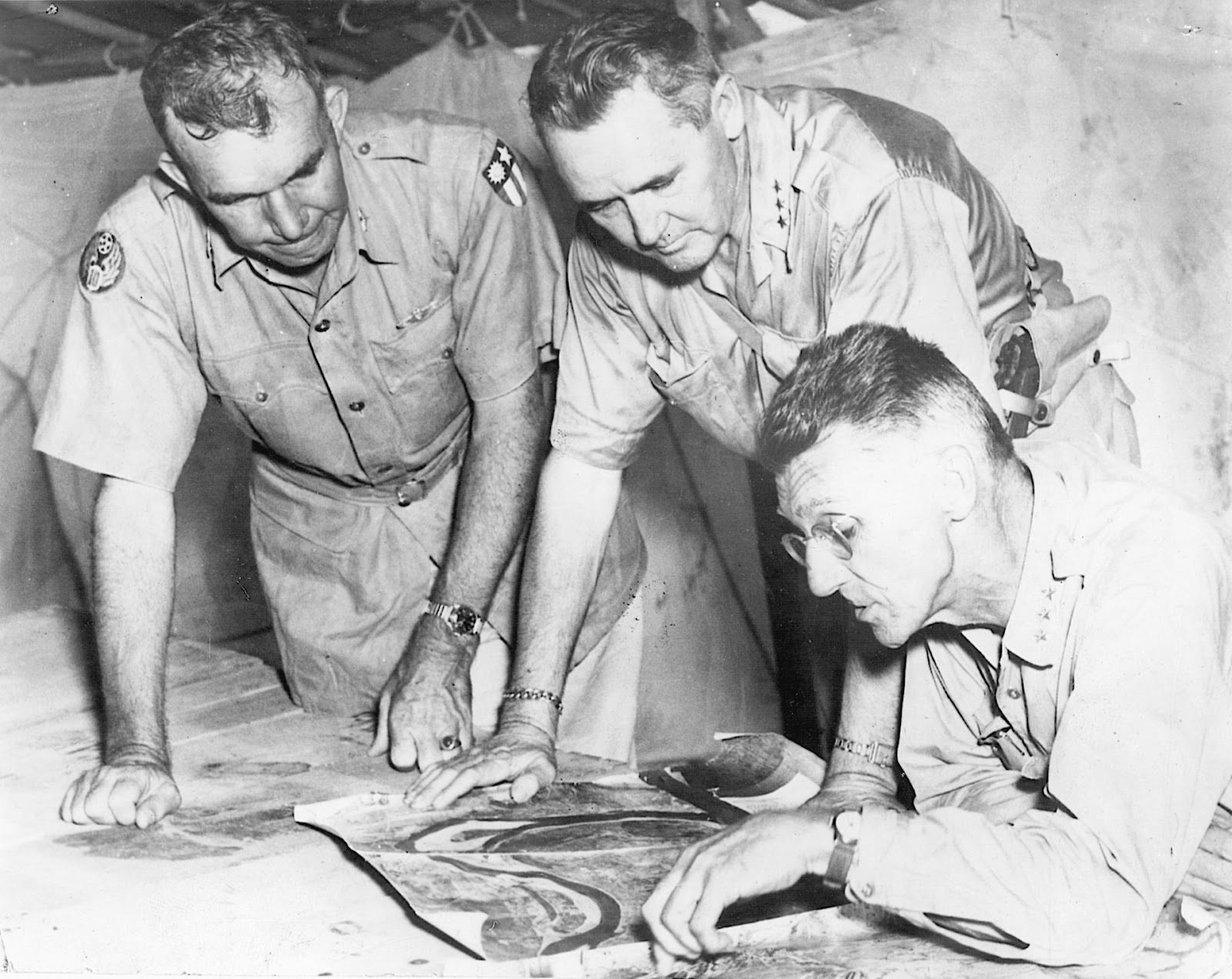
Upon his return, Stilwell undertook the reorganization of the Chinese and Allied forces in the region. He insisted on rigorous training, discipline, engineering support, and reliable supply lines. He focused particular attention on the project to build the new Ledo Road, which was intended to connect India with China and become a new vital supply route after the loss of the Burma Road. Simultaneously, he formed and trained the so-called X-Force—Chinese troops instructed by American personnel. Despite logistical, climatic, and bureaucratic challenges, Stilwell achieved significant success. In 1944, he organized a successful offensive in Northern Burma, allowing the restoration of land communication with China. His strategy relied on flexible maneuvers, utilizing local geography, and close cooperation between American, British, Indian, and Chinese units. However, these successes did not save him from political complications. His desire to centralize control over Chinese forces and his refusal to “smooth things over” in inter-Allied dialogue caused dissatisfaction in Washington and London. In October 1944, he was relieved of his command position, which sparked a controversial reaction in the American media and among military personnel.
The Conflict with Chiang Kai-shek
Although General Joseph Stilwell was appointed the U.S. military representative in China, his relationship with Generalissimo Chiang Kai-shek was strained from the start. Stilwell had a clear vision for the Allied effort: an effective fight against Japan required the modernization of Chinese troops, transparent use of U.S. aid, and active Chinese participation in combat. In contrast, Chiang Kai-shek, deeply burdened by internal problems, was cautious and often passive in his military strategy. Stilwell openly criticized the corruption of the Nationalist government, its ineffective command, and the misuse of U.S. military aid. In his private diaries, Stilwell described the Chinese leader as a “feudalistic bureaucrat” who was more concerned with the security of his regime than repelling Japanese aggression.
At the same time, Stilwell demanded direct control over the Chinese armies that the U.S. was training and supplying. This became the breaking point. For Chiang Kai-shek, such a demand was unacceptable: it challenged his sovereignty and political authority. He saw Stilwell as a threat—not just a critic, but a potential rival capable of unifying the army around a different center of influence. This conflict revealed fundamental problems in the Allied relationship: cultural differences, divergent war goals, and disputes over resource control.
Leadership Style
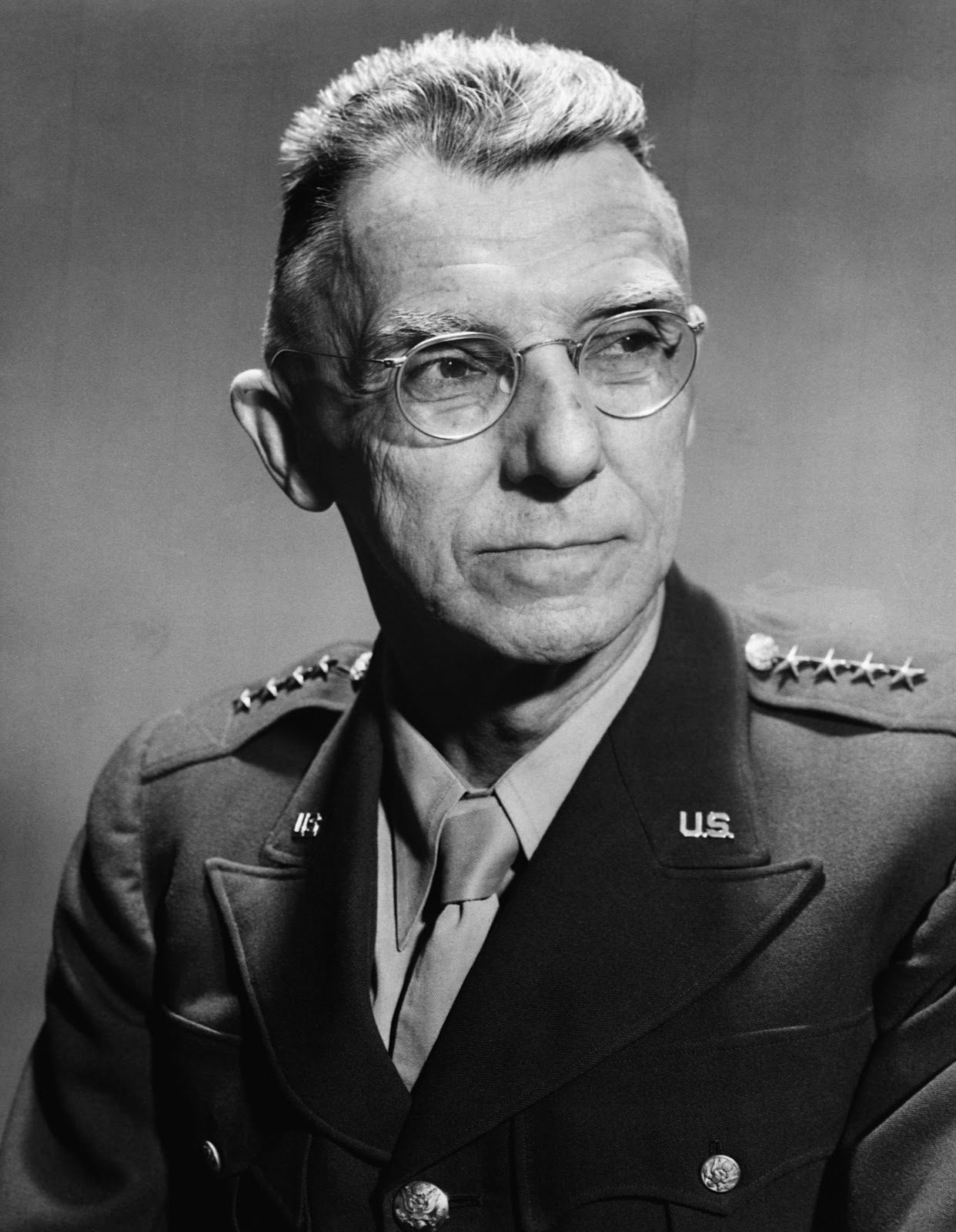
Stilwell was straightforward and had no patience for bureaucracy. He believed that war was won not in headquarters, but in the mud, under fire. His physical stamina, habit of walking with his troops, sharp tongue, and lack of diplomacy garnered sympathy from his subordinates but made his allies wary. He was deeply convinced that military command should be honest and open. His diaries contain angry notes about political intrigue, the inaction of the Chinese elite, and the excessive caution of American diplomats.
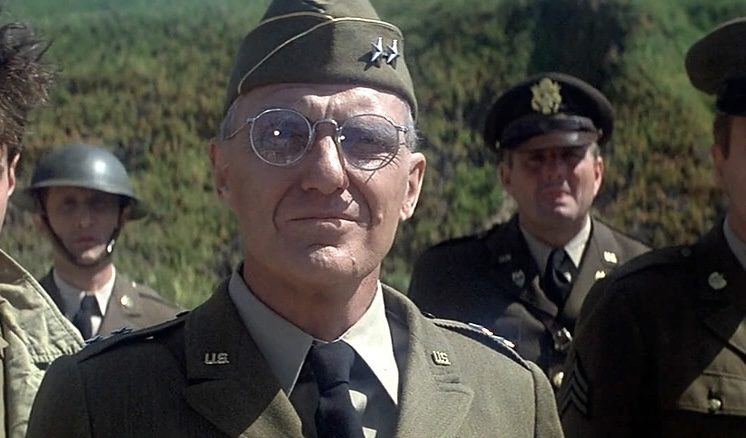
Legacy
After being recalled from China in 1944, Stilwell commanded the U.S. Tenth Army in the Battle of Okinawa, where he demonstrated his talent for large-scale amphibious operations. In 1946, he became commander of the U.S. Sixth Army, but tragically passed away from stomach cancer in California on October 12 of the same year. He was buried with the highest military honors. Camp Stilwell, a military base, was named after him. Memorial plaques still stand in China at the sites where he worked with Chinese troops. Moreover, Stilwell’s diaries and letters are an important historical source, particularly for studying U.S. policy in Asia during the war.
General Joseph Stilwell was more than just a commander—he was a symbol of honest, intelligent, yet fiercely determined military leadership. His uncompromising stance, tactical acumen, and humanistic approach toward his soldiers made the General a figure deserving of deep respect. In a world often forcing a choice between principles and compromise, Stilwell chose to be a man of honor.
Also, find out about the most famous actress, Marilyn Monroe.