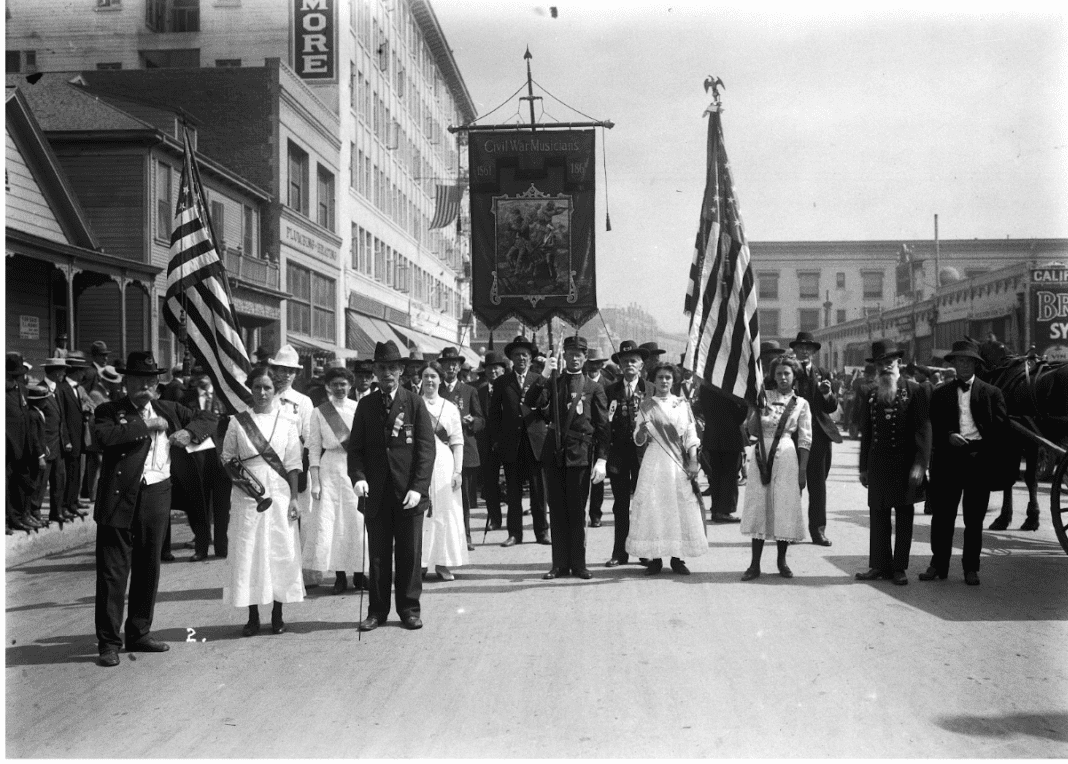

In the grand sweep of history, Los Angeles isn’t typically seen as a player in the Civil War. After all, the war took place on the East Coast, thousands of miles away. But the people living in Los Angeles at the time certainly felt they were part of it, especially those who sympathized with the Confederate cause. In Los Angeles, Confederate sympathizers were a minority, but they were a vocal one. California contributed to the Union war effort by supplying gold, troops, and generals. However, although California officially joined the Union, the political atmosphere in the southern part of the state, including Los Angeles, was decidedly mixed. More at layes.
Why Didn’t California Split?
Even though California supported the Union, it was a large state that had petitioned to split several times. From the moment of its statehood in 1850, there were efforts to divide California in two, as there were 15 free and 15 slave states at the time. The overwhelming number of people who flocked to California during the Gold Rush pushed the state to enter as a free state, but that didn’t stop a segment of the population from insisting that part of California join the South. The state legislature argued that many pro-slavery advocates had moved to Southern California and that creating another southern state would restore the balance in the Senate.
In 1859, the legislature again raised the issue of splitting California. Assemblyman Daniel Rogers proposed the creation of the “Colorado Territory.” The people in this proposed territory would vote on whether to separate from the rest of California. An overwhelming majority of people in Los Angeles voted in favor of creating this new territory. The potential split was discussed several times in the local “Los Angeles Star” newspaper.
The Pacific Republic
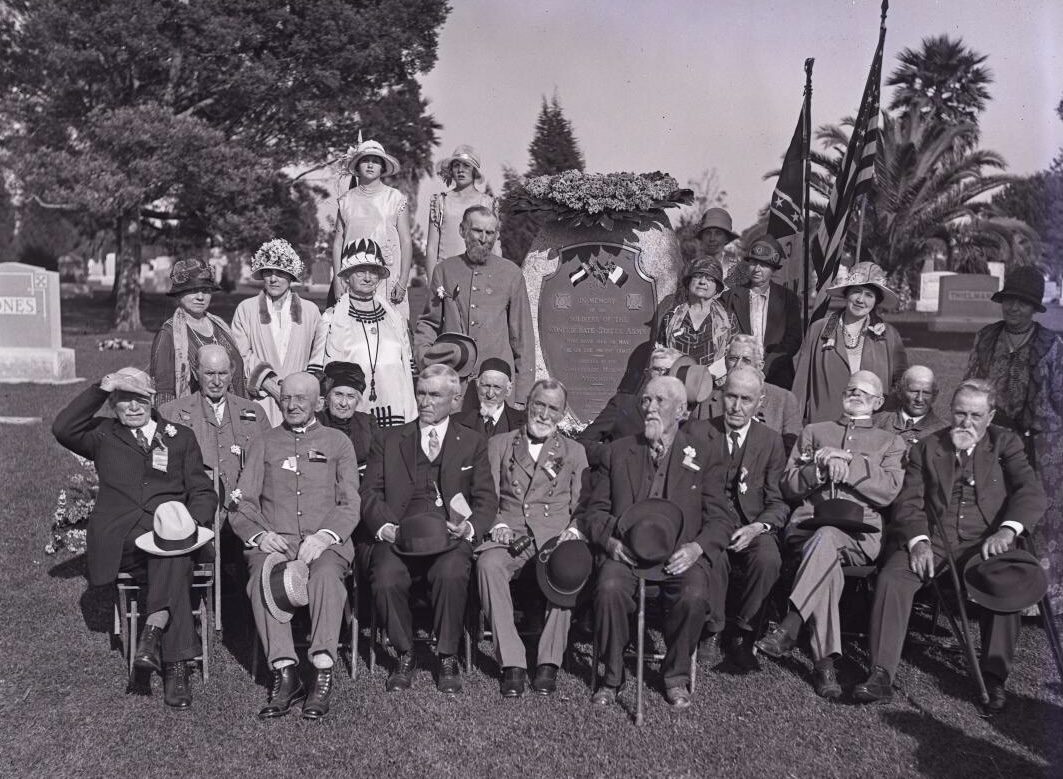
When the state split was denied at the start of the Civil War, some citizens began to support the theory of a “Pacific Republic.” This new nation, which would include Oregon and California, was to secede from the United States and form its own republic. The idea of a Pacific Republic had been discussed even before California achieved statehood. At the beginning of the war, journalists in both Sacramento and Los Angeles supported the idea of an independent nation.
In the 1860 California legislature, Governor John B. Weller predicted that if the Union dissolved, California would become its own republic. Many people shared this view, including U.S. Senator Milton Latham. He believed California could support itself as a free and independent nation thanks to its vast resources. However, when the South captured Fort Sumter, Sacramento expressed strong Union sentiment and concluded that California would not and should not secede. The true end of the Pacific Republic idea came in 1861 when Republicans came to power in California.
Northern and Southern California
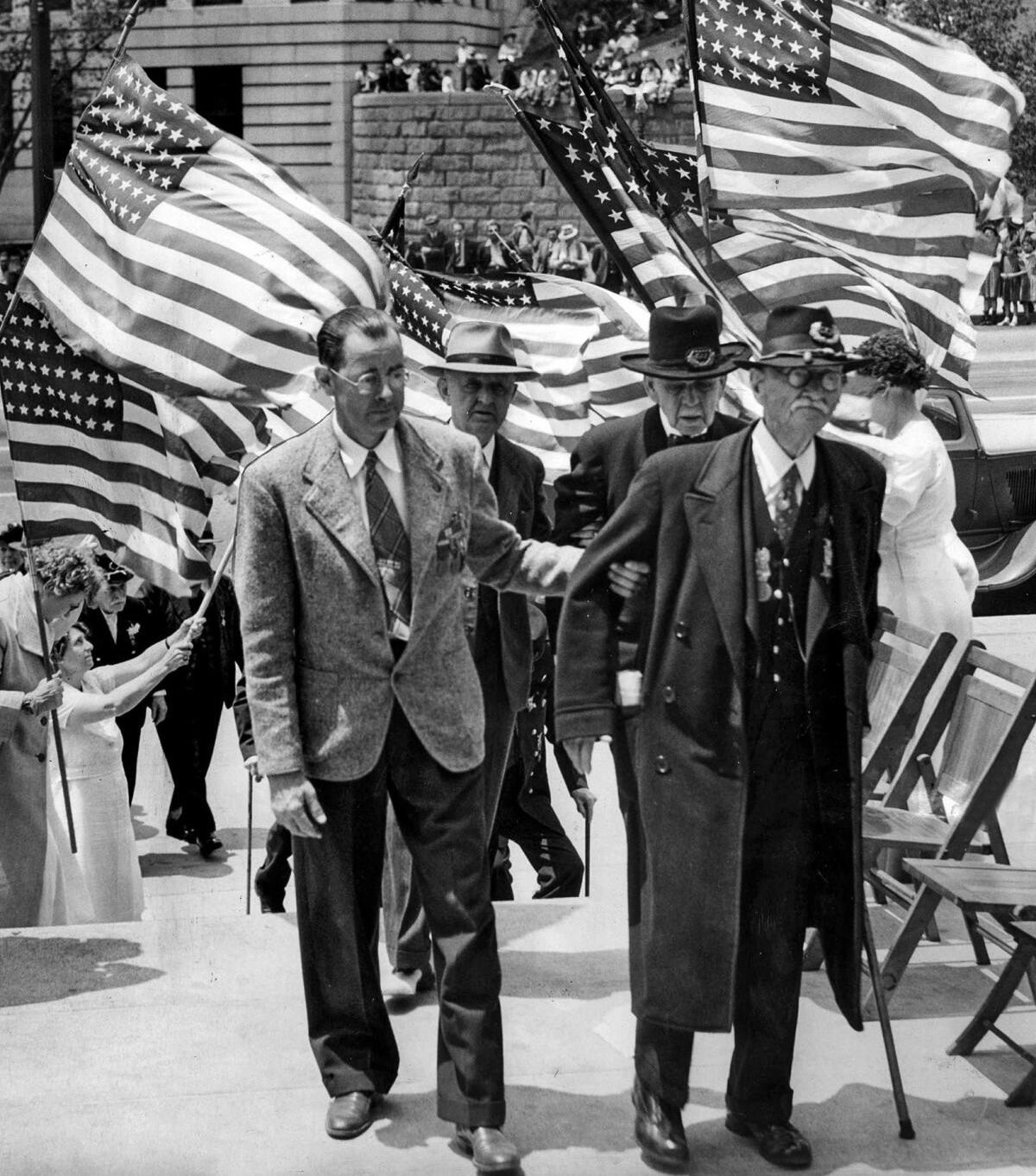
Northern California had a vastly different economy and population. The Gold Rush had brought a diverse population to the Sacramento area and fueled a strong industrial economy. Los Angeles, at the time, was still in its early stages of development, and its economy relied heavily on cattle ranching. Much of the population consisted of indigenous peoples. As a result, the divide between Northern and Southern California was deeply felt.
Southern California felt cut off from Northern California due to a severe lack of communication. Roads and ports were still being constructed in Los Angeles, making travel arduous. It took twelve days for news to reach Los Angeles from Sacramento by horse. Some people in Los Angeles had to wait six weeks just to receive a letter. The exact number of Southerners living in Los Angeles at the time is unknown. Historian Benjamin Gilbert, writing for the California Historical Society, argued that the number of Southerners was exaggerated and that only about seven percent of California’s total population had come from southern states.
Los Angeles and the Confederacy
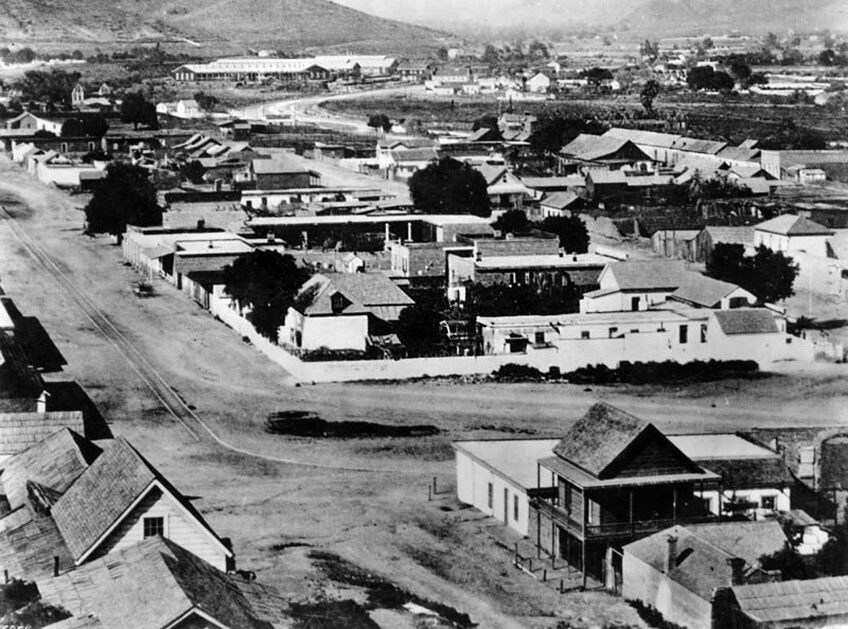
Despite the population numbers, the separatist party and Confederate supporters in Los Angeles were a major concern for the Army’s Department of the Pacific. General Edwin V. Sumner took command of the department in March 1861 after Albert Sidney Johnston resigned to become a general in the Confederate Army. Los Angeles showed vocal support for the Confederacy. The fall of Fort Sumter to the Confederate army in April 1861 caused great excitement in the city. It took twelve days for the news to arrive from San Francisco. After years of debating whether to be a separate state or a separate nation, Los Angeles secessionists finally felt they were “on the map.” A few days after Fort Sumter fell, Confederate supporters hung a portrait of General Beauregard in Los Angeles.
Although there was a clear Confederate presence in Los Angeles, Union forts surrounding the city kept them at bay. One of the most important Civil War developments in Los Angeles was the construction of the Drum Barracks in Wilmington. The land for its construction was sold to the government by Phineas Banning. The total price the government paid was one dollar for what would later become a million-dollar barracks. These barracks were never intended as a defensive post, but rather as a military base for training and supplies.
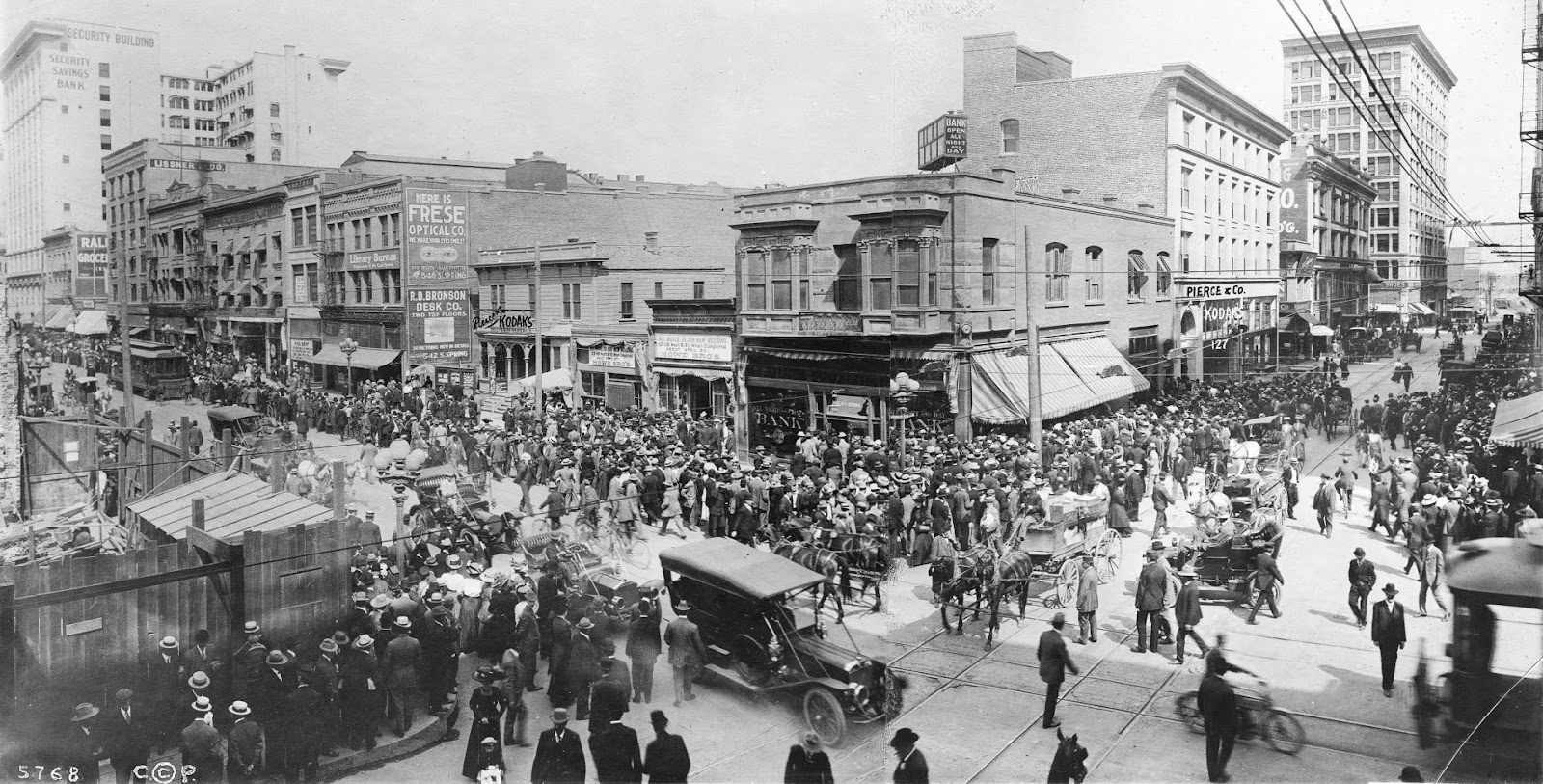
Los Angeles was a crucial point on the southern route for mail and trade between California and the eastern states. Controlling this route was of strategic importance to both sides. California was also vital to the Union because of its gold mines, which financed the war effort. Although the gold mines were located further north, they were protected by military units based near Los Angeles.
The Civil War had a significant impact on the frontier town of Los Angeles. Initially, Californians felt a strong disconnect from their government and wanted to vote on the state’s ultimate fate. When a split wasn’t achieved at the state level, some pushed for a much larger division: secession from the United States. They called for the creation of a Pacific Republic, an idea supported by some officials. Although California remained loyal to the Union, Southern California expressed Confederate leanings through a vocal minority. The only way the Union government could keep these sentiments at bay was by sending troops to Los Angeles. Even though Los Angeles played a small role in the Civil War, its local history is important. The Drum Barracks still stand in Wilmington as a reminder of those stationed there. The Plaza in Los Angeles, where many protests and declarations for Jefferson Davis took place, still testifies to the city’s residents at that time. After the Civil War ended, the city gradually integrated into a more politically stable state. The economy of Los Angeles began to grow, driven by trade, agriculture, and a population increase that included war veterans.