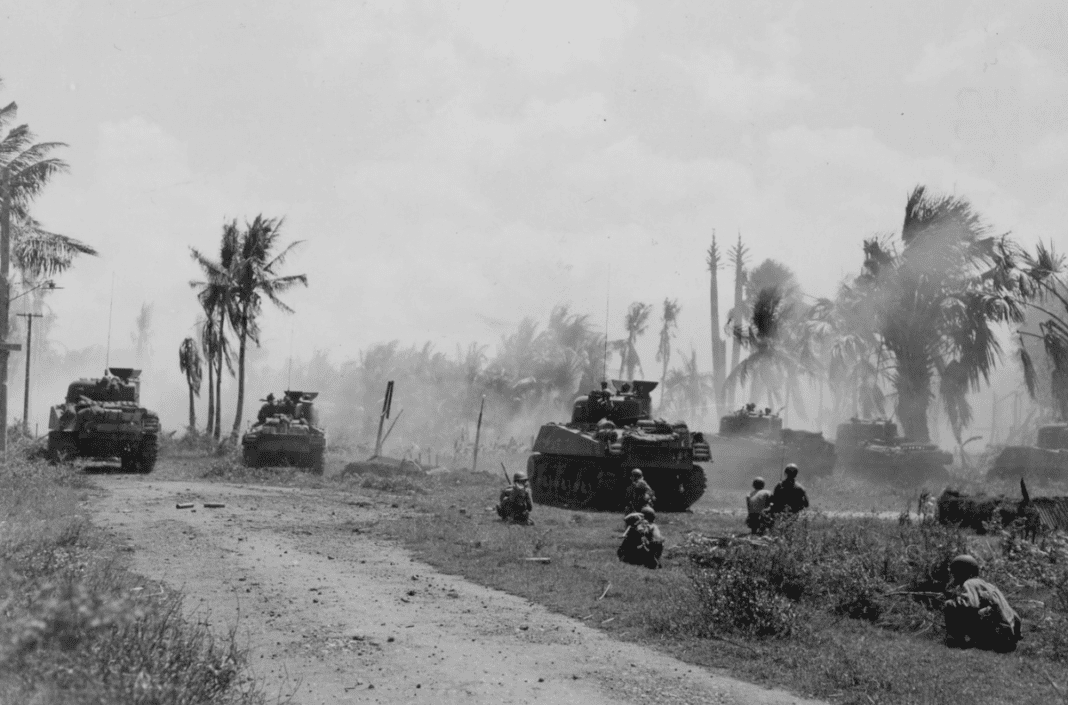

During World War II, the United States faced immense challenges, forcing it to organize defenses both abroad and on the home front. A crucial tool for maintaining domestic security was the California State Guard, which played a pivotal role in keeping order in one of the nation’s largest and most strategic states. Learn about the history of a prisoner of war camp in California. More at layes.
Origins of the US Mobilization Center
Eighteen years had passed since the end of World War I, and Europe was beginning to re-militarize. Meanwhile, across the Pacific, Japan was waging war on its neighbors. For many in the US, this was a more pressing concern than the situation in Europe. In the summer of 1938, Japan invaded large parts of the Soviet Union’s border regions. As Japan continued to expand its military operations, the US government responded by restricting exports of tools, aircraft, and parts. These were supplies Japan depended on to build and maintain its war machine. In 1940, Japan joined the Axis powers, gaining a vast new source of raw materials. California reacted to the threat, and on November 15, 1940, the US War Department began funding the construction of a mass mobilization center in the state. It was initially named the Camp Nacimiento Replacement Training Center and was located just north of the farming town of Atascadero. By March 1941, the new mobilization center, designed to house 30,000 troops, had been renamed Camp Roberts and was fully operational. When the camp opened, it was one of the largest army bases in the United States.
The Formation of the California State Guard
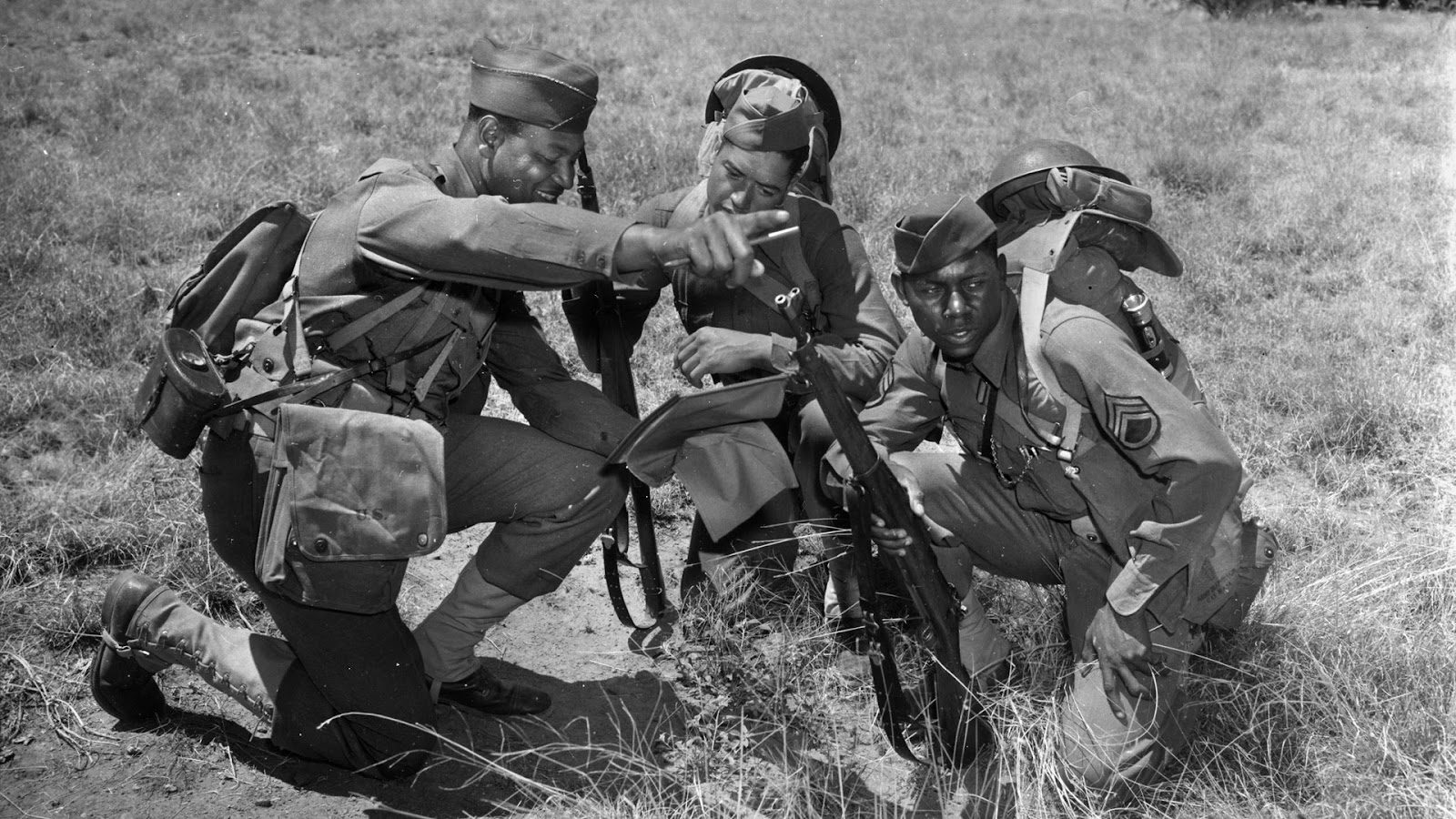
Around the same time the camp opened, President Franklin D. Roosevelt sought to protect America’s Pacific interests and moved the US Pacific Fleet from San Diego, California, to Pearl Harbor, Hawaii. The administration also began federalizing National Guard units across the country. By mid-December 1940, the California Military Department began drafting plans to authorize state military forces. On January 19, 1941, California Governor Culbert Olson established the California State Guard by proclamation. This decree was in response to the federalization of several California National Guard units, including parts of the 40th Infantry Division and coastal artillery regiments. In the Pacific, Japan launched coordinated, massive attacks on the US Pacific Fleet at Pearl Harbor and other British and American interests throughout the region.
Americans were fed daily information as the Philippines fell to the Japanese, followed by Wake Island, then Guam, Hong Kong, Malaya, Singapore, and Burma. Californians were convinced their shores would be next, and the government declared the entire West Coast a military zone. Japanese submarines were spotted along the coastal area known as the Northern District. In coastal cities like Los Angeles, there were incidents where all electricity was cut to black out the city. This happened after observers reported sightings of suspected Japanese aircraft. By early 1942, mass evacuations were being publicly planned in most of California’s coastal cities and communities.
The State Guard in Action
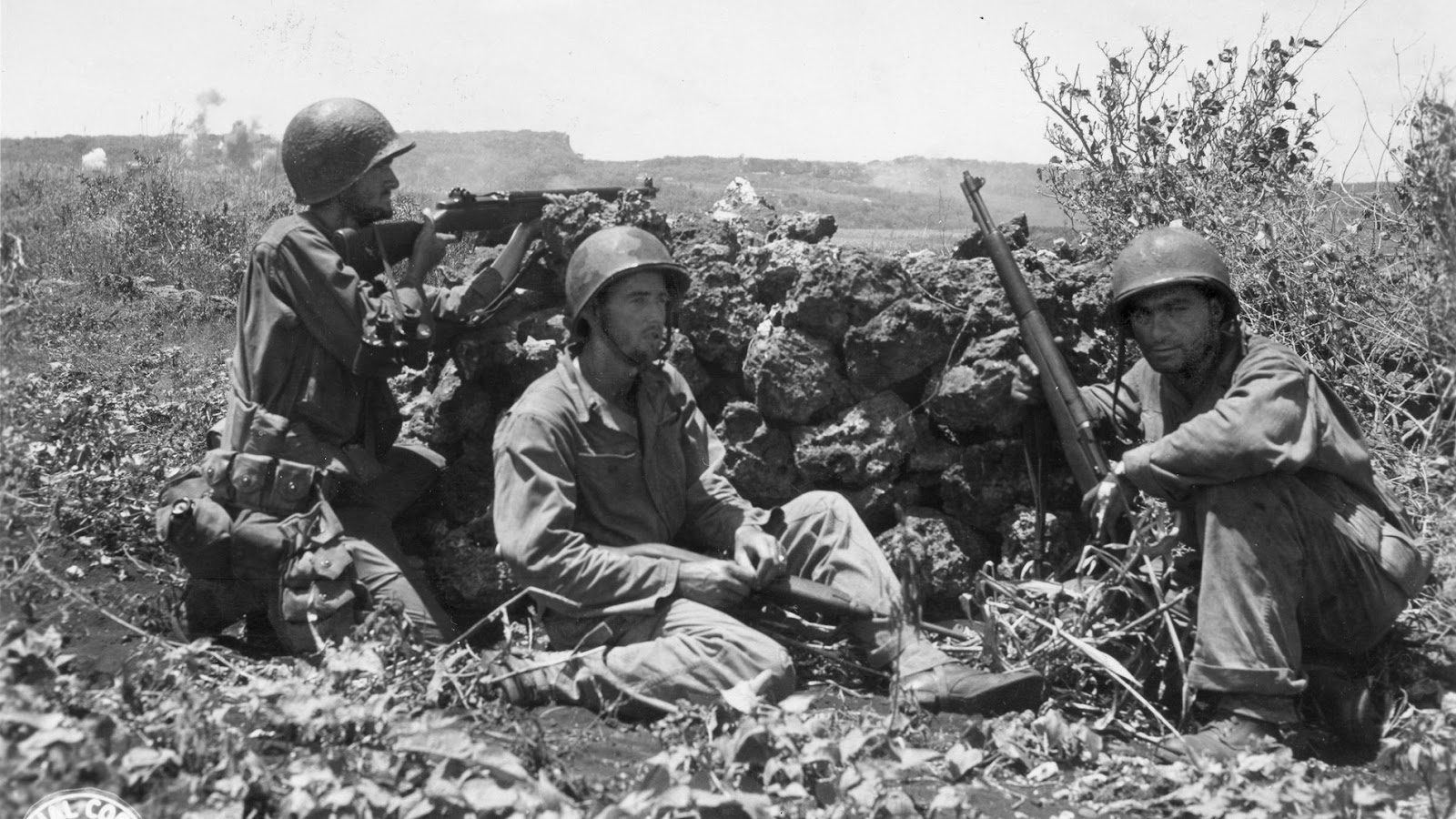
The State Guard was initially authorized for a force of 10,000 troops, but by the end of December 1941, its actual numbers had more than doubled to over 21,000. By early 1942, there were thirteen infantry regiments in total. Alongside these regiments were two Naval Corps, a Medical Regiment, and a Quartermaster Regiment, as well as seven companies of Shore Police. These were composed of five Naval Companies and two Marine Infantry Companies.
In the early stages, several additional units were created, though they existed for only a relatively short time. These temporary units included ten observation squadrons, two ambulance battalions, a Nurse Corps, a Sanitation Corps, an Engineering Regiment, an Evacuation Corps, and some provisional companies. There were at least two documented police units from Los Angeles and San Francisco that were fully staffed by soldiers. California was bracing for a full-scale Japanese invasion along its coast.
Home Guard Units
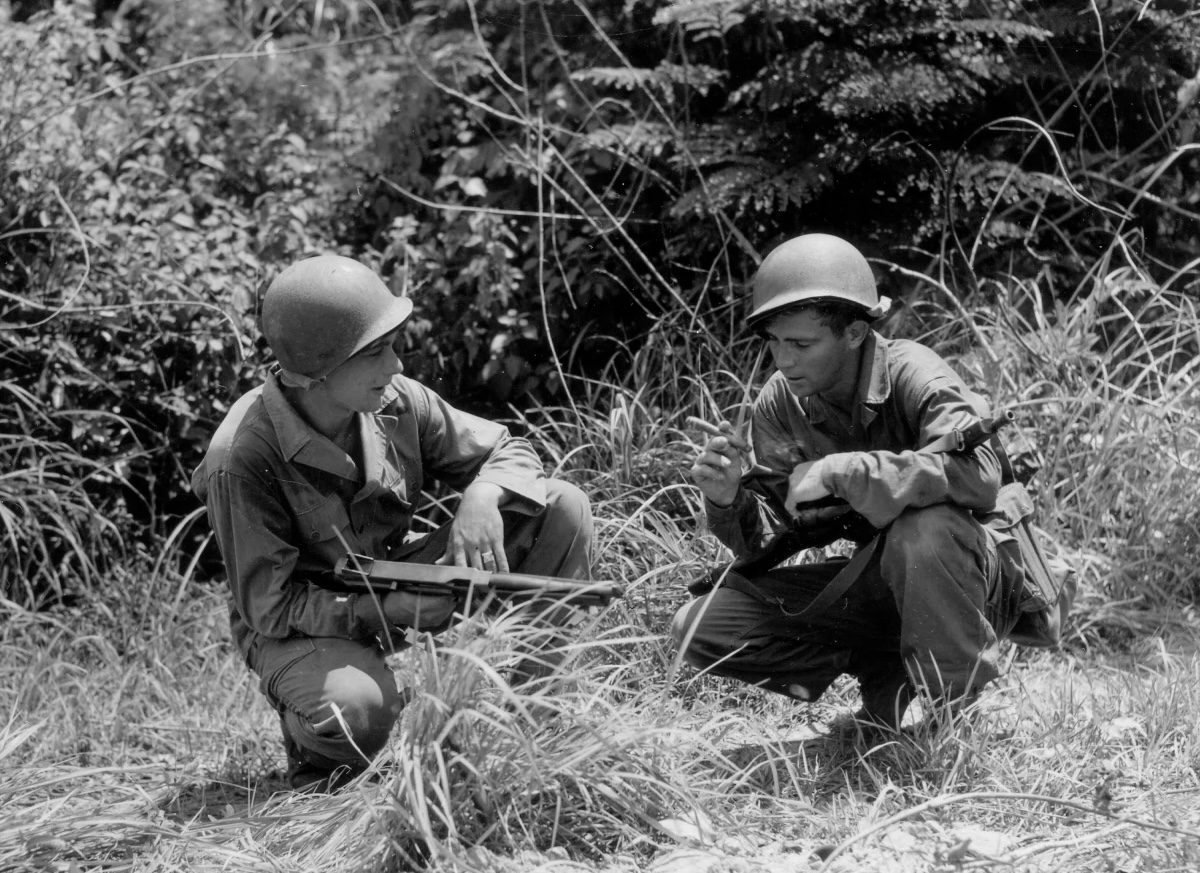
Throughout the rural parts of the state, local communities were overcome with waves of fear and anxiety. They began forming their own home guard units without authorization from the state. The primary task they felt needed to be addressed was protecting their homes and communities. With all the talk and planning of evacuating entire towns, cities, and rural communities, residents were certain that looters would run rampant. Local chapters of the American Legion began to get involved, organizing, training, and generally providing leadership for these local militias. Initially, counties and cities petitioned Governor Olson to deploy trained troops to rural areas facing mass evacuation. On April 18, 1942, the governor summoned specific county officials from across the state. Along with these officials, the governor also specifically invited county civil defense directors, sheriffs, supervisors, and agricultural agents to the meeting. At this meeting, he asked them to organize all men who could qualify for the California State Police. Olson wanted to gather at least 100,000 men between the ages of 16 and 65—men who knew how to handle firearms and could repel enemy attacks.
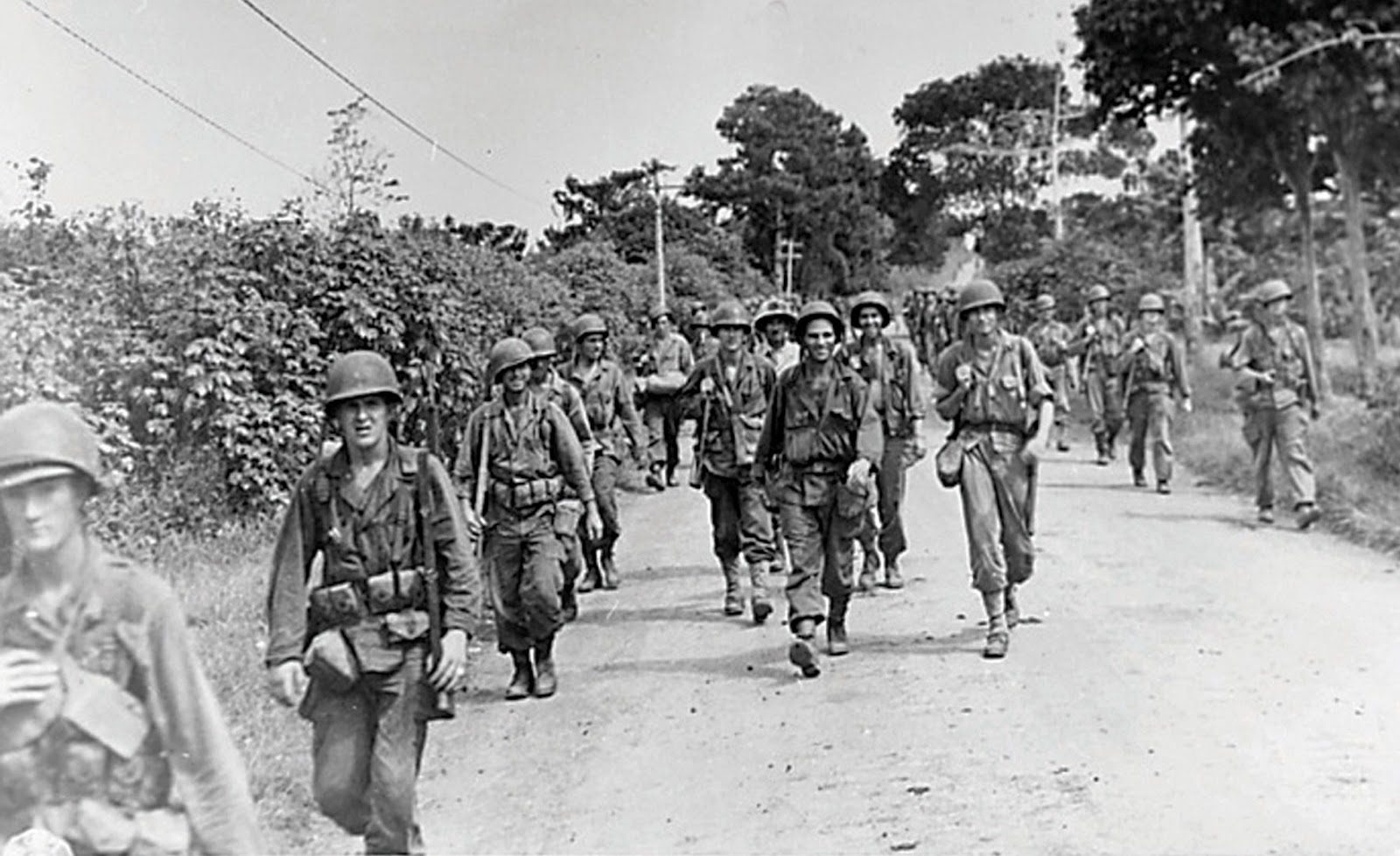
The governor’s military aide, Lieutenant Colonel Herbert Herlihy, was tasked with drafting a plan of action. This resulted in a pamphlet titled “Rules and Regulations – California State Police and Licensed Military Companies.”
Herlihy’s plan was for the militias to be organized on a county-by-county basis. He used county farm agents to accomplish this. The goal was to motivate as many men as possible, aged 16 to 65, to volunteer for these new Defense Force units. Once a company was formed, its members elected their officers, and the agent licensed them into the California State Police.
The State Guard was a military organization founded to bolster the strength and readiness of the National Guard, whereas the State Police prepared the “unorganized militia” for a last stand. In 1943, the Military Department initiated a statewide reorganization of these forces. During this reorganization, most of the militiamen were absorbed into the California State Guard Reserve. Until the end of World War II, the units continued to train at Camp Roberts. By the fall of 1945, most of the permanent companies were receiving orders to disband. After the victory, National Guard units began returning in large numbers. The authorization to maintain State Guard units expired. By 1946, all units had been stood down. It was at this time that the remnants of the California State Guard and the State Police were combined and renamed the California State Military Reserve. In the 21st century, the successor to the California State Guard is the California State Military Reserve, which continues the tradition of supporting the security and defense of the state.