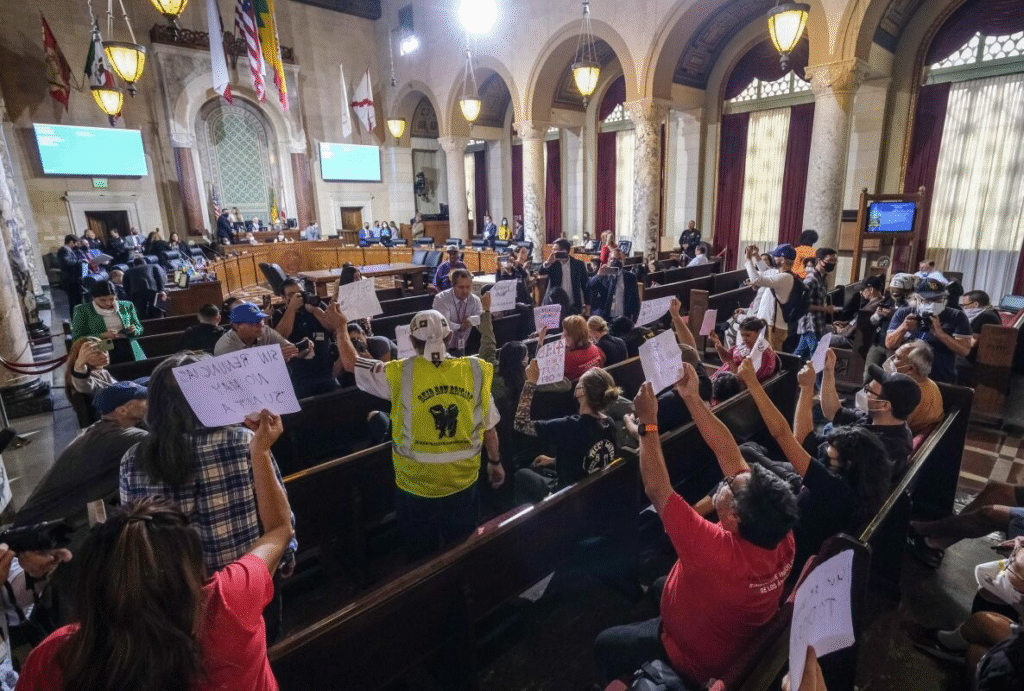

Openness and transparency in local government have become crucial for effective urban management. Los Angeles, one of the largest and most dynamic cities in the U.S., is actively embracing these principles in the work of its City Council. From providing access to information and live-streaming meetings to holding public hearings and creating platforms for submitting proposals, the city is fostering an environment where every resident can influence decision-making and monitor their implementation. You can learn more about this at layes.info.
Evaluating Los Angeles City Council’s Transparency
As one of the largest and most dynamic cities in the U.S., Los Angeles is taking a proactive stance on transparency. The city is a member of the Open Government Partnership (OGP), an international initiative that promotes open governance and citizen engagement in decision-making processes. This membership underscores Los Angeles’ commitment to transparency, accountability, and active public participation. The Los Angeles City Council has demonstrated its dedication to open decision-making, ensuring that citizens have access to information and a voice in shaping the city’s future.
The transparency of the Los Angeles City Council is evaluated based on several key criteria: accessibility of information, effectiveness of public participation, and openness of financial processes. Various independent organizations and research centers use transparency indices and government openness ratings to measure how easily citizens can access information and influence decisions.
One crucial indicator is the online availability of public documents. The council regularly publishes meeting minutes, budgets, and proposed legislation, allowing residents to follow the work of their government. This open data not only shows the final decisions but also the processes that led to them, which builds greater public trust. Another key criterion is the level of citizen engagement. Assessment results consider the number of petitions, public inquiries, and participation in hearings. The more the city encourages and facilitates citizen involvement, the higher its transparency score. Financial transparency is also evaluated. Public access to contracts, budget expenditures, and procurement data helps citizens monitor the efficient use of resources and prevent corruption. Based on these criteria, Los Angeles consistently receives high scores in national and international ratings for local government openness. This proves that the city isn’t just talking about transparency—it’s actively implementing practical mechanisms that allow residents to hold their government accountable.

How is Transparency Ensured?
The Los Angeles City Council actively implements various methods to ensure transparency and openness. First and foremost, all public documents—from meeting minutes and proposed ordinances to budgets and program reports—are readily available on the council’s official website. This allows citizens to track the decision-making process and analyze the government’s activities for themselves.
Another important method is public hearings and consultations. Before major decisions are made, the council organizes public discussions where residents can voice their opinions and suggestions. This creates a feedback loop that ensures policymakers consider community input.
Technology also plays a key role in transparency. Live online broadcasts of council meetings, interactive budget maps, and mobile apps let residents follow the council’s work in real-time without having to attend in person. These tools make the decision-making process open and understandable to all residents. In addition, the city council actively uses platforms for submitting petitions and inquiries, giving every resident an opportunity to propose changes, comment on policies, and monitor the implementation of decisions. Public access to financial data, including contracts and budget expenditures, helps to prevent corruption and build trust in the government.
Thanks to these methods, Los Angeles is creating a culture of open governance where residents feel like they are part of the decision-making process and can directly influence the city’s development.

The Role of Technology
Technology plays a key role in ensuring the transparency of the Los Angeles City Council. Online live streams of council sessions allow residents to follow discussions and decisions in real time, even if they can’t be there in person. Furthermore, interactive budget maps on the official portal show exactly how the city’s financial resources are allocated, which projects receive funding, and where they are in the implementation process. Mobile apps and platforms for public engagement provide easy access to documents, petitions, and surveys, making participation in city life convenient and straightforward for everyone. These tools improve the quality of public oversight. Residents can not only keep an eye on the council’s work but also respond quickly to decisions, propose changes, and take part in public discussions. This fosters a more open and accountable culture of governance.
The Los Angeles City Council’s transparency also extends to the monitoring of its finances and expenditures. Detailed access to information about procurements, contracts, budget spending, and project implementation allows citizens to evaluate the effectiveness of resource use and identify potential violations in a timely manner. This approach helps prevent corruption, increases trust in the local government, and creates the sense that decisions are made transparently and under community supervision.
By leveraging modern technology, Los Angeles proves that openness isn’t just a declaration—it’s a real part of city governance, where every citizen can play an active role and feel they have an impact on the processes that shape their community.
Why Is This Important?
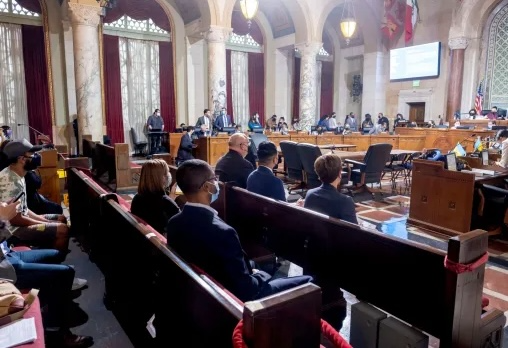
The effects of the Los Angeles City Council’s openness are felt not just in day-to-day operations but also in the long run. Increased public participation is reflected in a growing number of petitions, inquiries, and attendance at public hearings and online surveys. Residents feel that their opinions and suggestions influence decision-making, which in turn encourages even greater involvement in city life. The administration’s efficiency also improves thanks to transparent oversight of the council’s work and financial flows. City leaders receive feedback from the community, allowing them to quickly adjust processes, enhance service quality, and optimize resource use.
Los Angeles’ experience shows that combining transparency with modern technology can be a powerful tool for the development of major cities. The city demonstrates that even in a sprawling metropolis, every voice matters, and citizen participation genuinely impacts how policies are shaped and the urban environment is developed. This approach not only strengthens trust in the government but also creates a stable foundation for innovative and socially responsible governance.