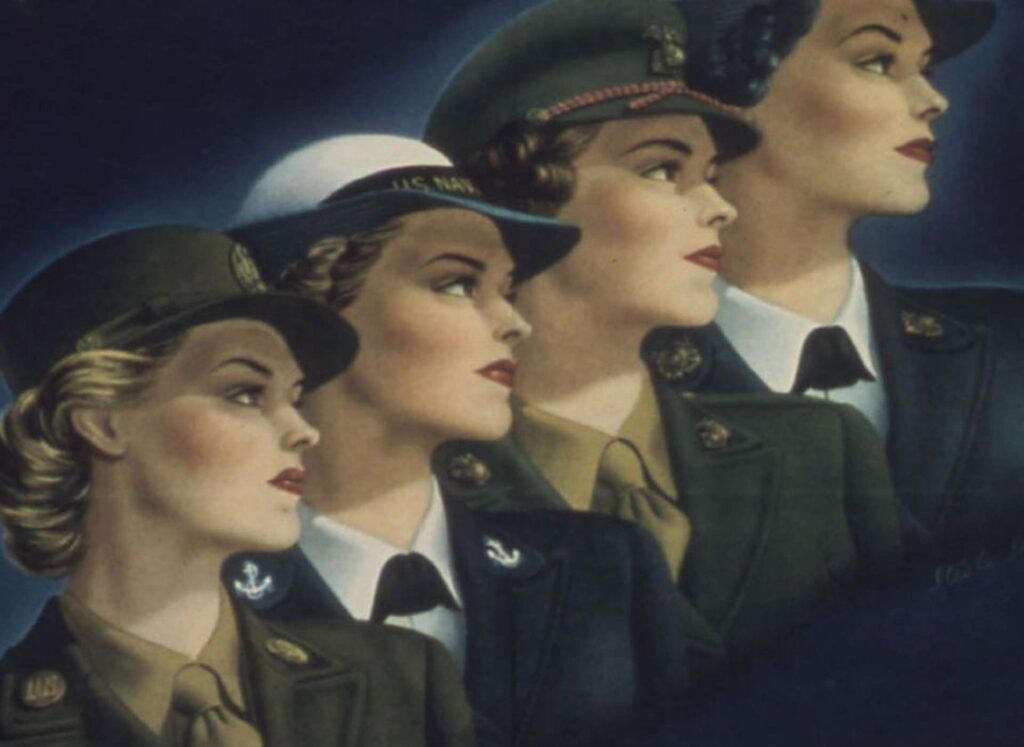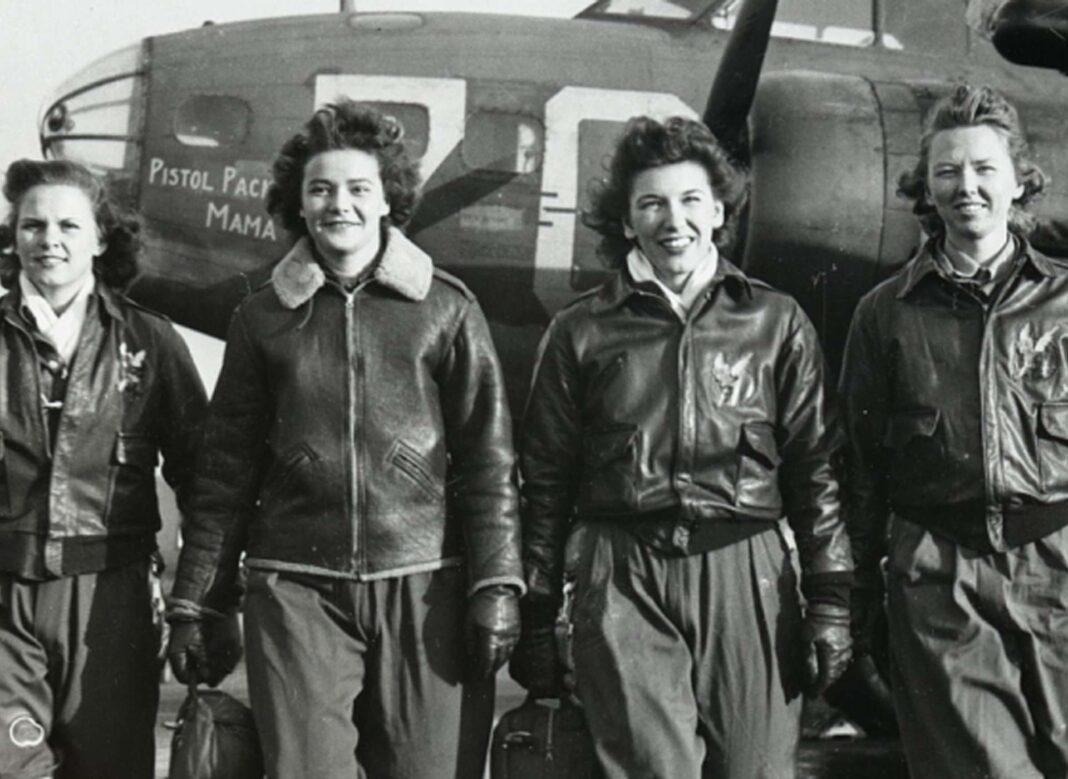

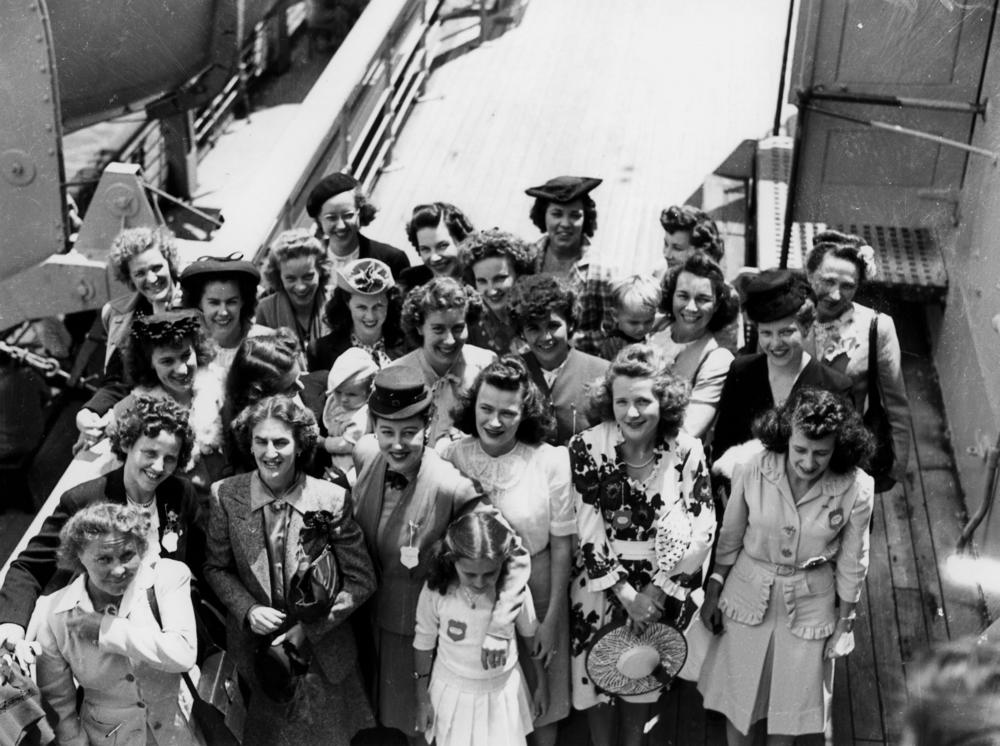
Women in Los Angeles played an incredibly important role at the front and behind the lines in World War II. They showed remarkable fortitude, sending parents, husbands, brothers and sons off to war. Therefore, the war affected women. They quickly learned to gain new skills and experience. The shift in gender roles encouraged more equality between men and women. To learn more about women and their role in World War II, visit layes.info.
Marriage and divorce in World War II
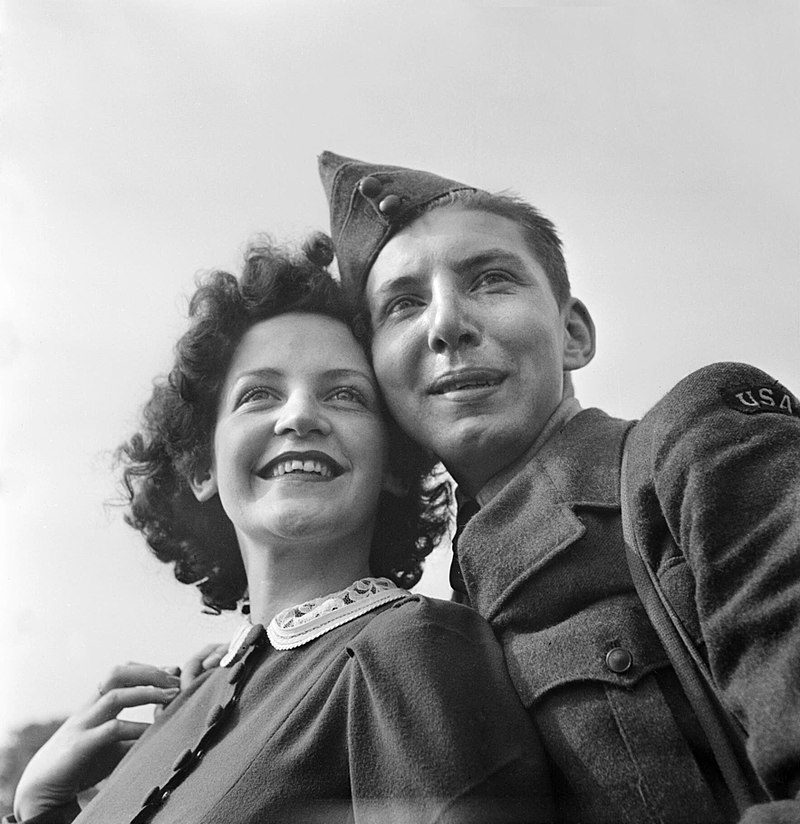
When the war began, quick marriages became a common thing. People got married at a young age before the men left for service. Overall, this trend can be explained by the fact that many young men wanted to experience married life before going to war. They didn’t know if they would return home. The prospect of getting government benefits or avoiding being drafted into the army was among other reasons for marriage.
We would like to tell you about another term called “war brides,” which became popular during the First and Second World Wars. This term referred to women who married servicemen from other countries during the war or military occupation. During the Second World War and right afterward, more than 60,000 soldiers married women from abroad. Moreover, the state promised wives and children of American servicemen free entry to the United States. The press sometimes called it “Operation Diaper Run.”
Along with the quick marriages during World War II, the number of divorces increased. This can be easily explained by the following reasons:
- Couples wedded without knowing each other well
- Infidelity on the part of one or both spouses
- Women, in the prolonged absence of their husbands at war, met other men
- Upon the return of husbands, couples felt estranged
- Women experienced a taste of independence and refused to give up this freedom.
So, hasty marriages led to the same number of divorces at the end of the war.
Women at the front
In 1939, the United States was fully engaged in the war, utilizing almost all resources they had, including women. Hitler ridiculed such a decision because the role of German women at that time was to be good wives and mothers and have as many children as possible for the Third Reich.
Here are a few examples of women whose numbers exceeded 200,000 who successfully found employment on the front:
- The Women’s Army Corps (WAC) of the United States. Women performed administrative, medical work and technical support and were responsible for communication.
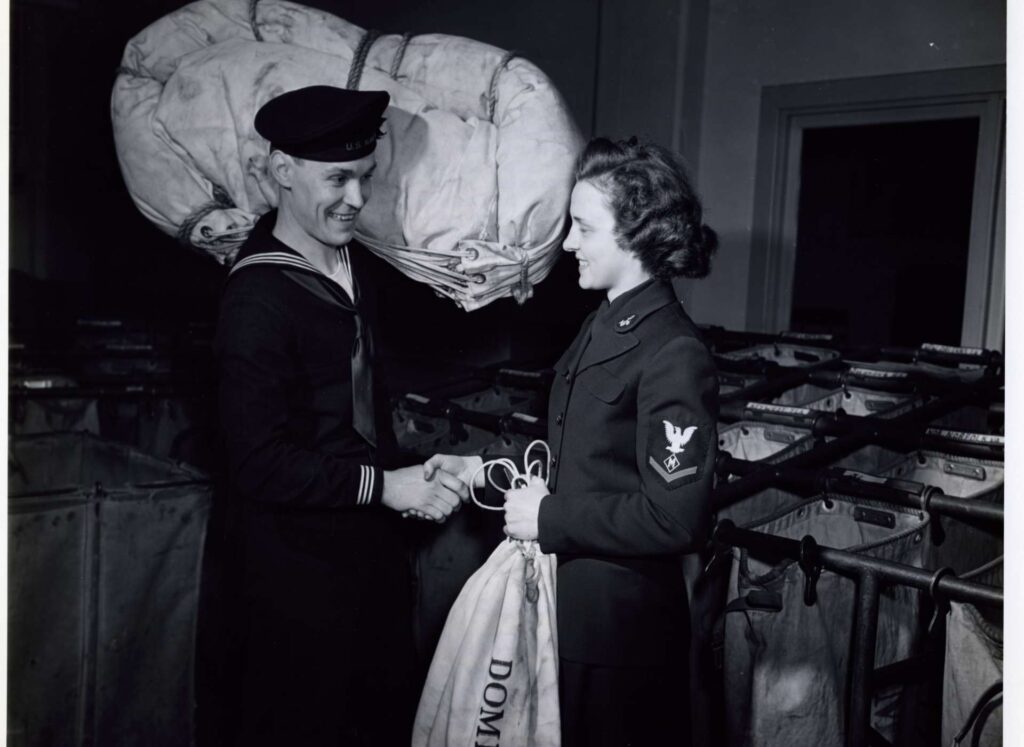
- The United States Women Accepted for Volunteer Emergency Service (WAVES). Women were involved in medical and administrative work.
- The Women Airforce Service Pilots (WASP) are also known as the “Women’s Army Service Pilots” and “Women’s Auxiliary Service Pilots.” WASP members were trained pilots who conducted aircraft testing, ferried them and taught other pilots. Their primary objective was to rescue male pilots so they could fight in World War II. Despite the important role of WASP members, they did not have military status. The Women’s Flying Training Detachment (WFTD) and the Women’s Auxiliary Ferrying Squadron (WAFS) were created in September 1942 before the establishment of WASP.
Although most women were not allowed to be in battle zones, a large number of them became nurses. They helped the wounded during battles, for which over 1600 nurses were awarded for their bravery and service.
It is important to note that the decrease in the number of orders for military materials after the war led to the lay-off of almost all women who had gained economic and social independence during the conflict. So, men returned home in search of work, while many women went back to their traditional roles as wives and mothers.
Women on the home front
Having sent men to the front lines, women on the home front actively worked in defense plants to replace men (over six million individuals) and volunteered in war-related organizations (over three million individuals):
- sewed clothing for soldiers
- raised funds for the Red Cross
- trained nurses
- cared for wounded soldiers.
In addition, they still had to take care of their children and do household chores.
While writing optimistic letters to their soldier husbands, women learned to repair and drive cars independently. American society was worried that married women started working, fearing that it could spark potential future marital conflicts. Another idea that was often voiced at that time related to undermining men’s self-esteem due to such busyness of women.
Food preservation
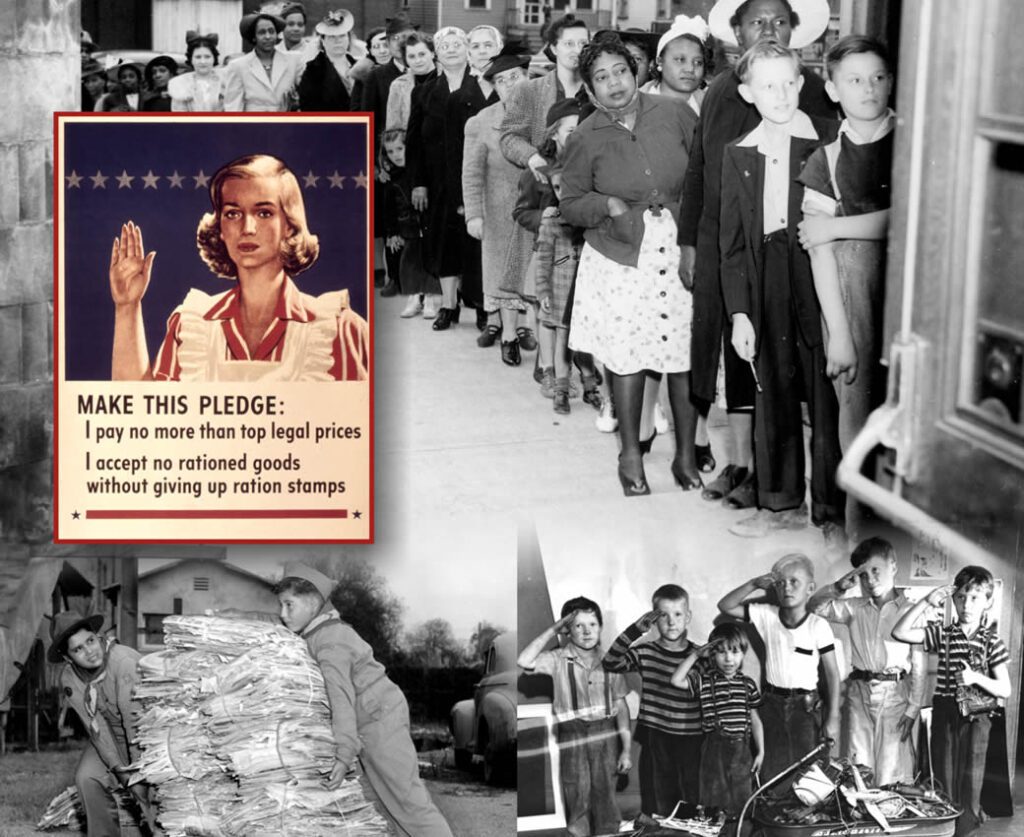
The processing and preservation of food products were essential during the Second World War. At that time, the demand for the production of military goods grew because it was necessary to provide soldiers with food. Women on the home front ensured all this. As a result, it caused a shortage of consumer goods. The following processes were characterized for California, as well as for the entire USA:
- rationing of food, i.e. the consumption of meat, sugar and coffee was reduced
- scarce goods could not be purchased without government coupons
- production of most durables was suspended during the war and the need to reuse arose
- people less traveled because gasoline and rubber were restricted.
During World War II, Americans (mostly women) were encouraged to grow fruits and vegetables on available land. Campaigns were organized to collect scrap, rubber, metal, old paper and even culinary waste.
The army was also supported by investing wages in war bonds, which could be converted into cash with interest after a certain period of time. This helped finance the war, as 40% of the country’s GDP was allocated to military expenses.
The first female veteran
The first female World War II veteran of the Merchant Marine was Sadie Horton. She was officially recognized as a veteran for her military service posthumously in 2017. The woman worked on board a barge in the U.S. Merchant Marine fleet throughout the Second World War.
A woman who inspired other women to serve in the Second World War is worth mentioning. This is Rosie the Riveter, who was depicted on a poster as a factory worker flexing her muscles. She proclaimed:
“We can do it!”
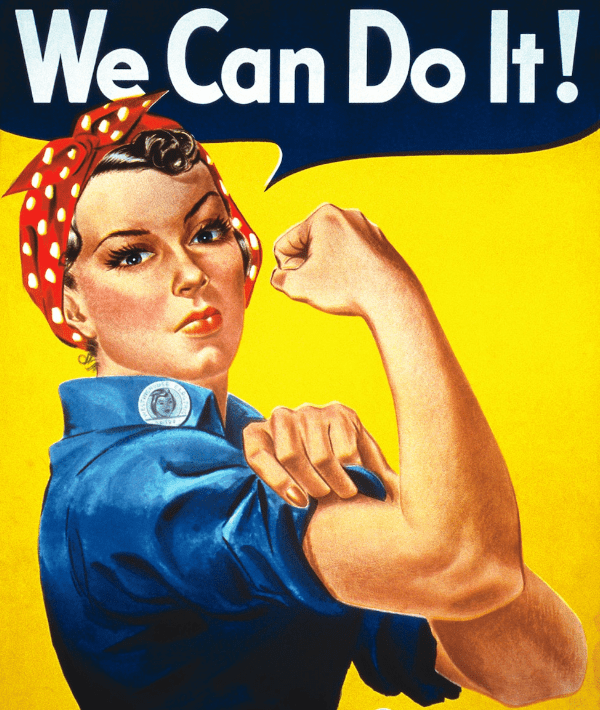
Her real name was Mae Krier. She worked at the Boeing Company from 1943 to 1945 in Seattle, manufacturing B-17 and B-29 aircraft for the military. It is interesting that the cultural influence of Rosie extended far beyond the popular poster:
- In 1942, Redd Evans and John Loeb created the song “Rosie the Riveter”
- The United States Postal Service issued a stamp featuring this character in the 1990s
- Rosie the Riveter appeared on the cover of The Saturday Evening Post magazine from May 29, 1943
- Women who, during World War II, were involved in the production of ships, planes, tanks and other equipment called themselves “Rosies”
The National WWII Museum
Here, you can learn more about the role of women during the Second World War and explore the history of the war that changed the world. Everyone can visit the museum’s galleries and online collections, as well as try virtual tours and educational programs.
Knowing our history, we honor the generation that sacrificed so much for our freedom. Such stories inspire and teach us many things.