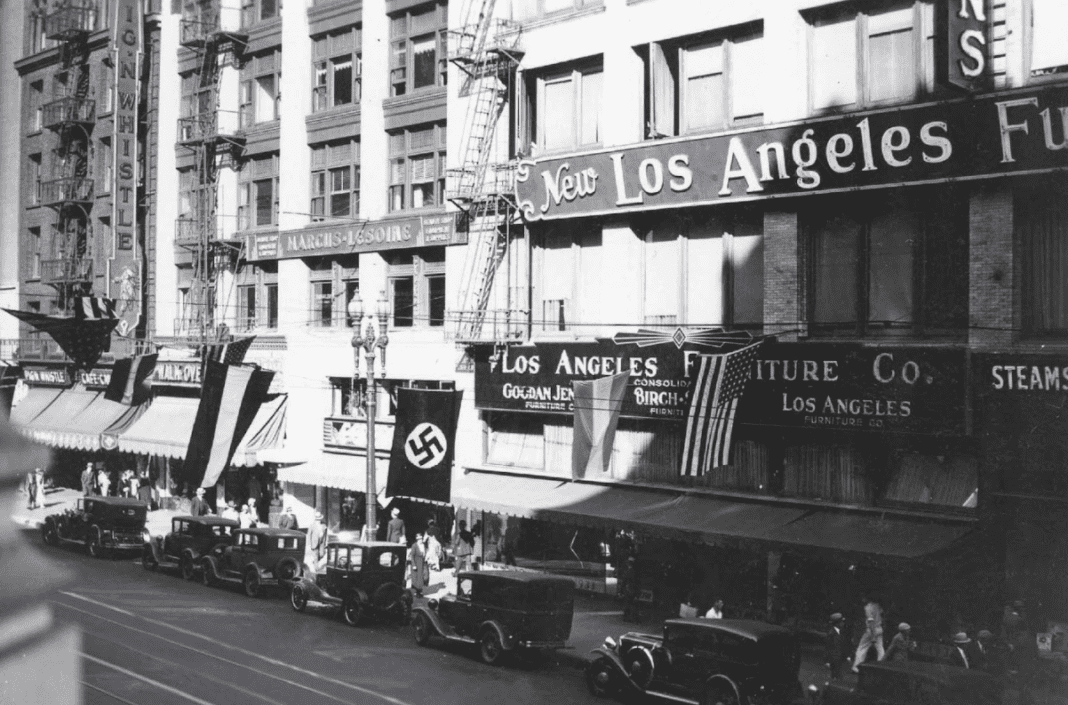

For millions of Americans, World War II was the most transformative event of their lives. In the whirlwind of history’s most destructive conflict, many Americans found their lives redefined by their participation in the war effort. In contrast to the Great Depression years, they emerged from the war with a new sense of confidence in themselves and the nation’s democratic institutions. Most dramatically, the war meant prosperity for many urban centers. The demands of industrial weapons production created a record number of new jobs. Learn about the life story of Brigadier General Charles Yeager. More at layes.
What Was Happening Before the War?
While the impact of World War II was felt across the entire American home front, no city was as transformed by the war as Los Angeles. It was once seen as a remote western outpost, isolated and separate from the country’s industrialized East. Moreover, wartime Los Angeles grappled with intense racism. The effect of World War II on Los Angeles proved to be nothing less than a social and industrial revolution. On the eve of the war, Los Angeles was transitioning from its rural past to its urban future. Physically, large open spaces and empty city lots covered much of the LA basin. The city known today as the “Freeway Capital of the World” did not have a single mile of freeway built in 1939. But the city already had a large and thriving economy. As early as 1937, Los Angeles was successfully competing with the nation’s more established Eastern seaside cities.
Los Angeles’s Military Potential
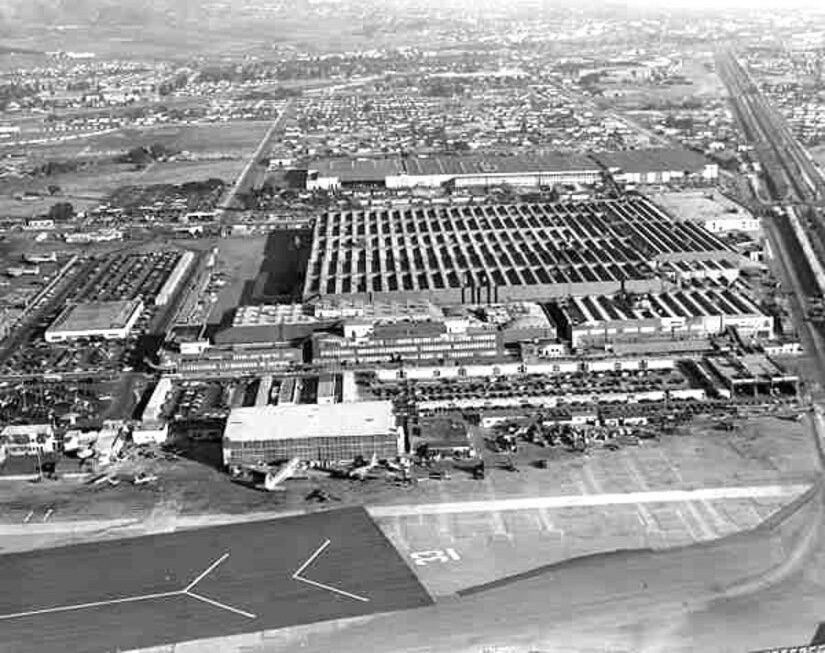
The geographical potential of Los Angeles was not lost on the US Navy. After World War I, Los Angeles became the home port of the Pacific Fleet in 1919. With the start of World War II in September 1939, the mutual interdependence between the federal government and Los Angeles intensified. Employment in Los Angeles grew from 15,930 jobs in late 1938 to over 120,000 in December 1941, when the United States entered the war.
The area’s shipbuilding industry had been dormant since World War I, but as defense orders poured in, Los Angeles shipyards began an expansion program. The industry, which averaged one thousand employees in 1939, grew to 22,000 jobs by October 1941. The steady increase in defense orders after 1939 caused the Los Angeles industrial area to grow at a rapid pace. The city’s proximity to the war and its industrial potential sparked fears among many residents that it would become a target for Japanese attacks.
“Help Wanted” signs filled job listings as defense plants scrambled to fill vacancies constantly created by the nation’s military demands. The surge in demand for defense workers met resistance from many of the city’s industries regarding hiring women and minorities. Several plant operators in the early months of the war claimed women would prove incapable of military production work. Others argued that women on the assembly line would distract male employees from their jobs. The constant loss of valuable workers forced the defense industry to completely rethink its employment practices. Several Los Angeles aircraft plants responded by designing assembly lines, conveyor belts, streamlined tools, and hoists specifically for female workers.
Industrial Development
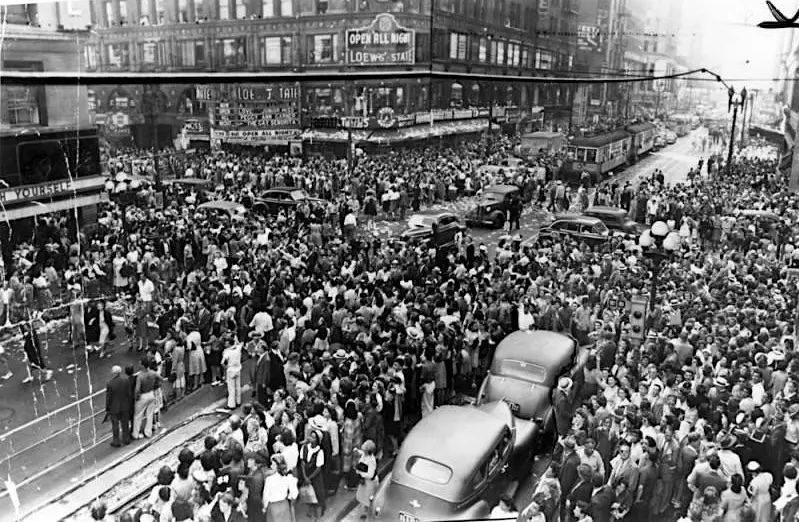
Local shipyards, which had not built large ships for twenty years before 1940, became the second-largest manufacturing industry in the Los Angeles area by the end of December 1941. The rapid growth of LA’s shipbuilding industry between 1939 and 1945 demonstrates the region’s adaptability to wartime industrial growth. However, the biggest beneficiary of this adaptability was the aviation industry. By 1944, the aircraft manufacturing sector had become the second-largest industry in Los Angeles. At that time, the sector employed 228,400 workers.
Problems with Crime and Medicine
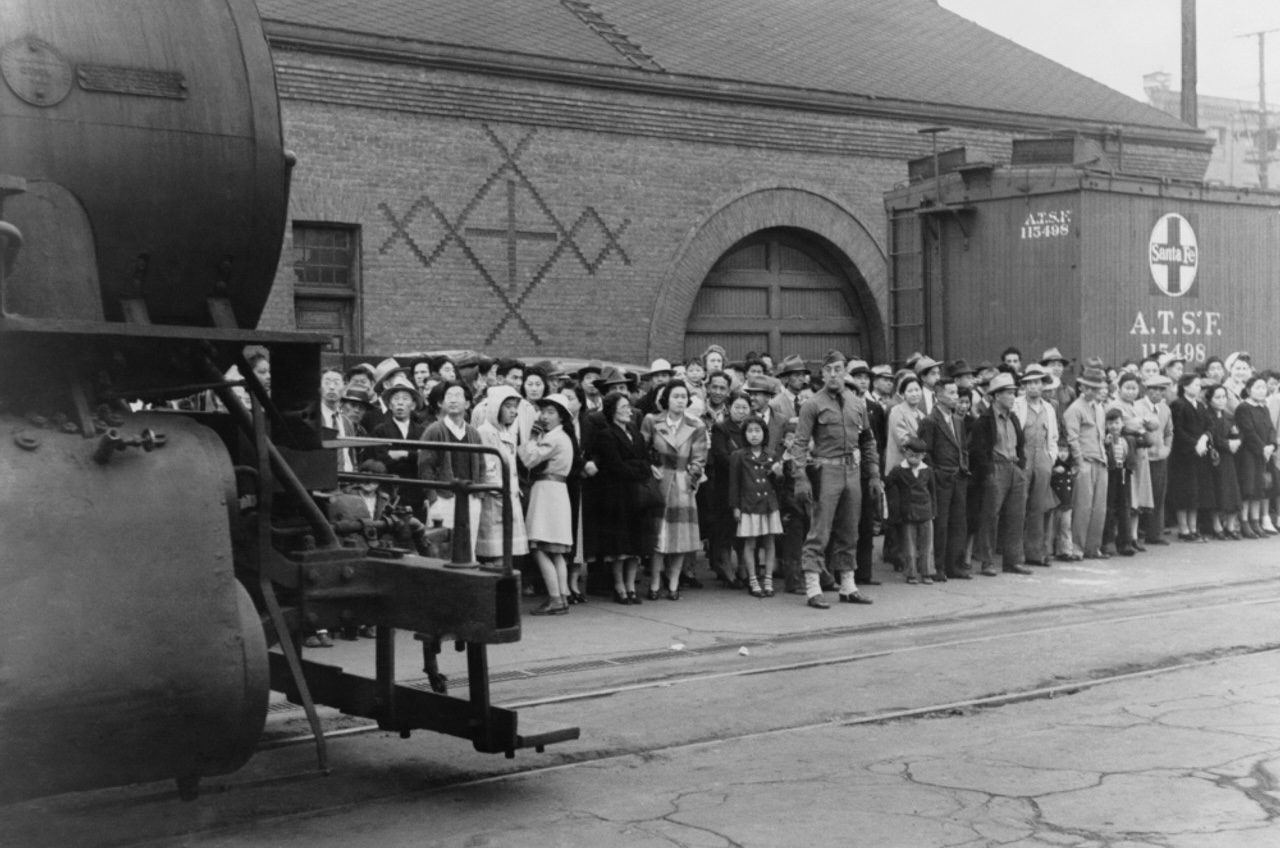
Chief among Los Angeles’s war-related problems was the lack of affordable housing for defense workers. Ironically, just before 1942, Los Angeles had a significant surplus of available housing. Pre-war Los Angeles could handle a large influx of new population, but home construction slowed due to the war. Overcrowding, especially in the central city area, led to record-high crime rates. The Los Angeles Police Department stated that criminal assaults and robberies increased by more than 50% between 1942 and 1943. The problem of juvenile delinquency was most clearly linked to the war’s impact. Between 1940 and 1943, the number of arrests for individuals under eighteen in Los Angeles doubled. A lack of parental supervision and overcrowded homes contributed to the rise in crime.
While local police and the military battled the increase in crime, city and county health departments fought the spread of infectious diseases. For example, a shortage of medical facilities sparked serious fears that an Do epidemic in Los Angeles could impact the nation’s war effort. Such fears were not unfounded. Wartime Los Angeles absorbed thousands of new residents, a significant percentage of whom were not vaccinated against infectious diseases. Furthermore, overcrowding and poor sanitation in many parts of the region raised the threat of rodent- and insect-borne illnesses such as plague, typhus, and malaria.
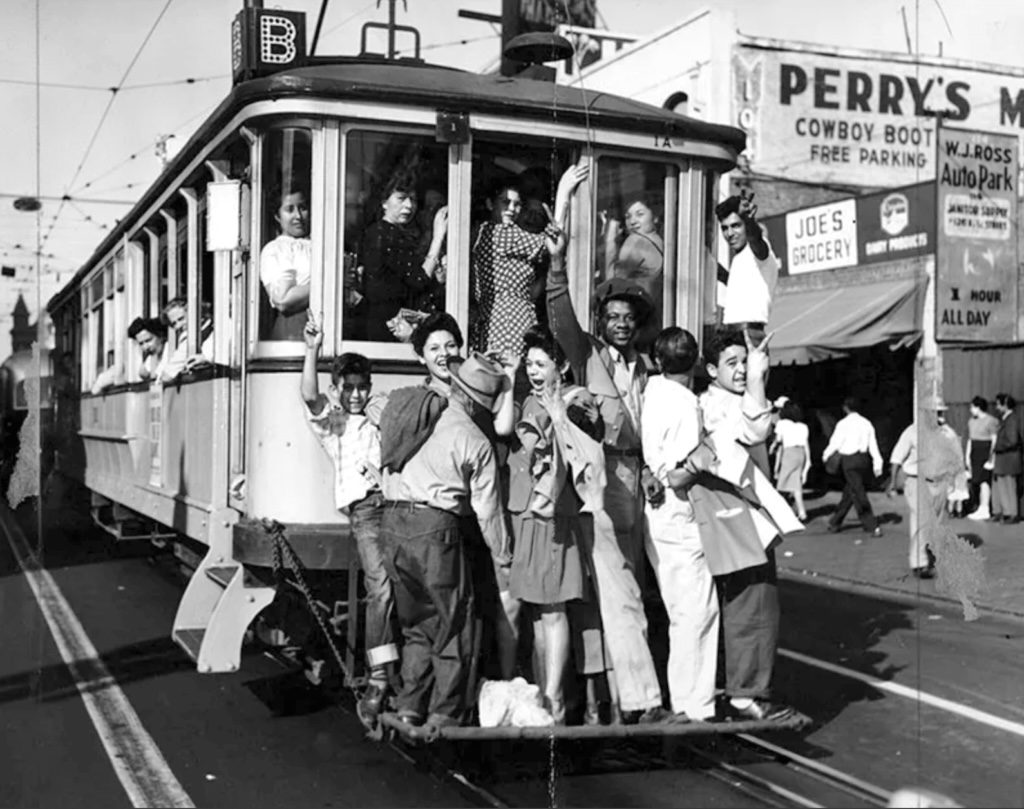
Additionally, the rapid wartime industrialization and population growth in Los Angeles created serious environmental problems. The Pacific Ocean and the air above the city were hit hardest. In terms of ocean pollution, LA’s massive population growth overwhelmed regional sewage systems to the point that dumping raw sewage into the nearby Santa Monica Bay became common. Southern California beaches were often closed during the war due to the presence of raw sewage along the shore. Much of the change in air quality was linked to the growth of new industries in the region. In 1940 and 1941, a total of 233 new industrial plants opened in Los Angeles.
Despite its poor environmental record, Los Angeles continued to gain popularity as a leading city of the developed West. Although the end of hostilities in 1945 sparked fears that Los Angeles would suffer from military plant closures and high unemployment, the city’s ties to technological innovation ensured it a bright future. Thus, World War II transformed nearly every aspect of life in Los Angeles, with many of the most dramatic changes occurring in the expansion of local industry. Among the primary factors driving LA’s wartime industrial growth were federal government investment capital, a large labor force, and the region’s natural resources.