
Following the end of World War II, the U.S. found itself in a new global confrontation—the Cold War. One of its manifestations was the internal struggle against communism, which peaked in the late 1940s and 1950s. Los Angeles, as a hub for the American film industry, science, and public movements, was caught at the epicenter of anti-Soviet sentiment and political persecution. You can also find out how the forced relocation of Japanese Americans from Los Angeles took place during World War II. Read more at layes.
The Campaign Against Communists
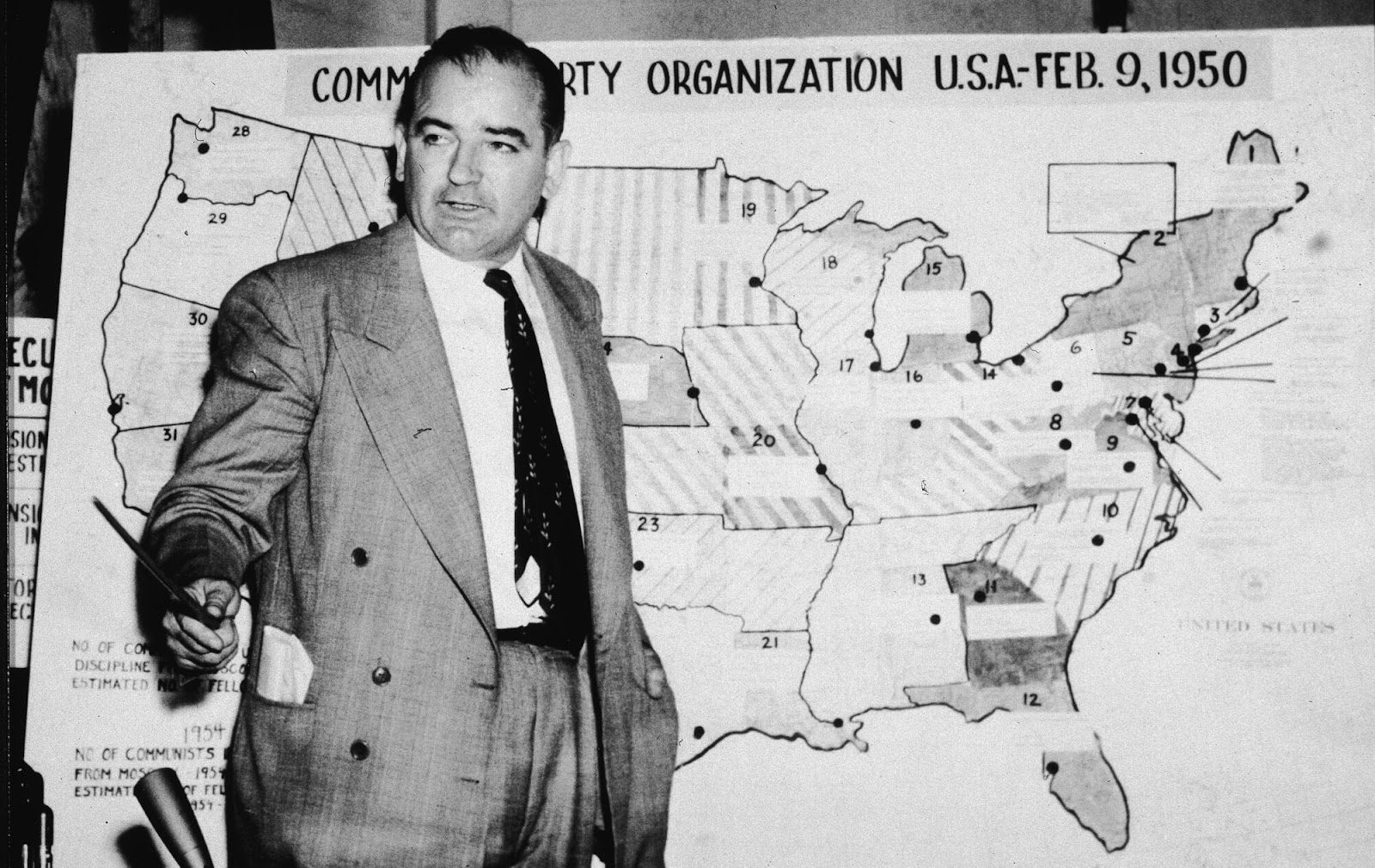
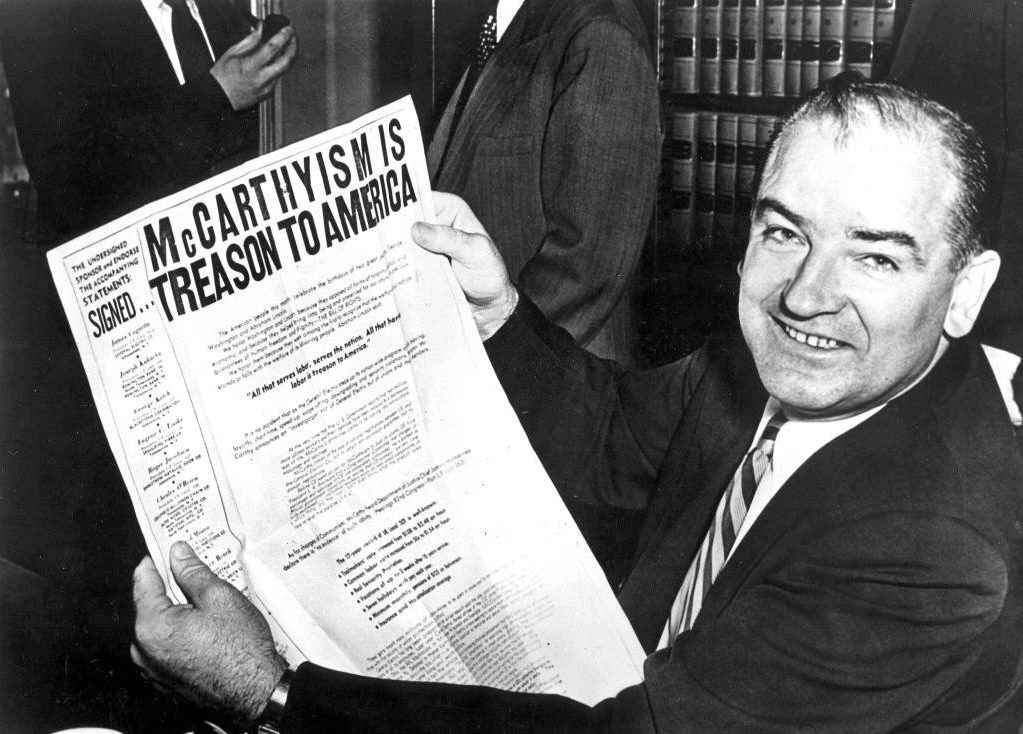
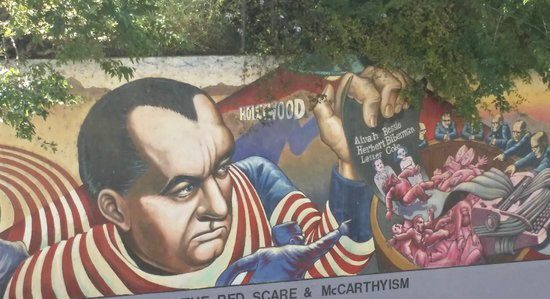
In the mid-20th century, the United States endured a period of political persecution known as McCarthyism. Senator Joseph McCarthy and his supporters launched a massive campaign against alleged communists, accusing them of subversive activities and espionage on behalf of the USSR. These events had a particularly strong impact on Los Angeles and Hollywood—the heart of the American film industry—where the “witch hunt” led to widespread purges in cinema and public life.
After World War II, the U.S. entered the Cold War with the Soviet Union. The rivalry between the two superpowers intensified fears of a “communist threat.” In 1947, the House Un-American Activities Committee (HUAC) was created and began holding hearings into the potential infiltration of communists into government agencies, the armed forces, and the entertainment industry. Hollywood drew particular scrutiny due to its immense influence on public opinion. It was believed that films could become a powerful tool for communist propaganda, leading authorities to decide to “cleanse” the industry of disloyal individuals.
Testimony and the Blacklist
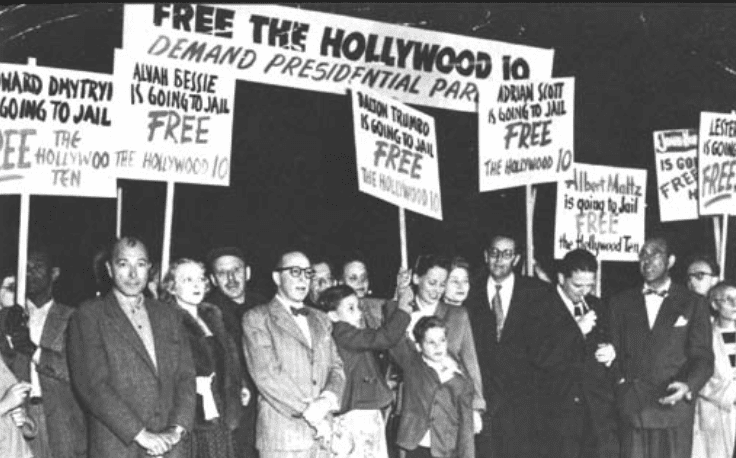
In October 1947, HUAC summoned dozens of filmmakers, actors, and screenwriters for hearings. Ten of them, known as the “Hollywood Ten,” refused to testify, invoking the First Amendment right to free speech. They were subsequently charged with contempt of Congress and sentenced to prison. Following this, the American motion Picture Producers Association compiled a list of individuals who could not be hired—the so-called “blacklist.” Being placed on this list meant the end of a career for many talented individuals in the film industry.
Victims of McCarthyism included famous figures such as:
- Charlie Chaplin—forced to leave the U.S. after accusations of pro-communist views.
- Dalton Trumbo—a screenwriter who worked under pseudonyms due to the ban.
- Orson Welles—faced pressure and was compelled to work primarily overseas.
A key aspect of the “witch hunt” was compelling suspects to testify against their colleagues. Some agreed to cooperate with authorities, providing names of other artists who allegedly had communist ties. One of the most famous informants was actor Ronald Reagan, who later became U.S. President. He provided testimony about suspected communist activities while serving as president of the Screen Actors Guild. Anti-communist sentiment intensified in the city, and suspicions and informers became common occurrences. People feared expressing their opinions, lest they become the next victims of the purge.
Hollywood’s Blacklists
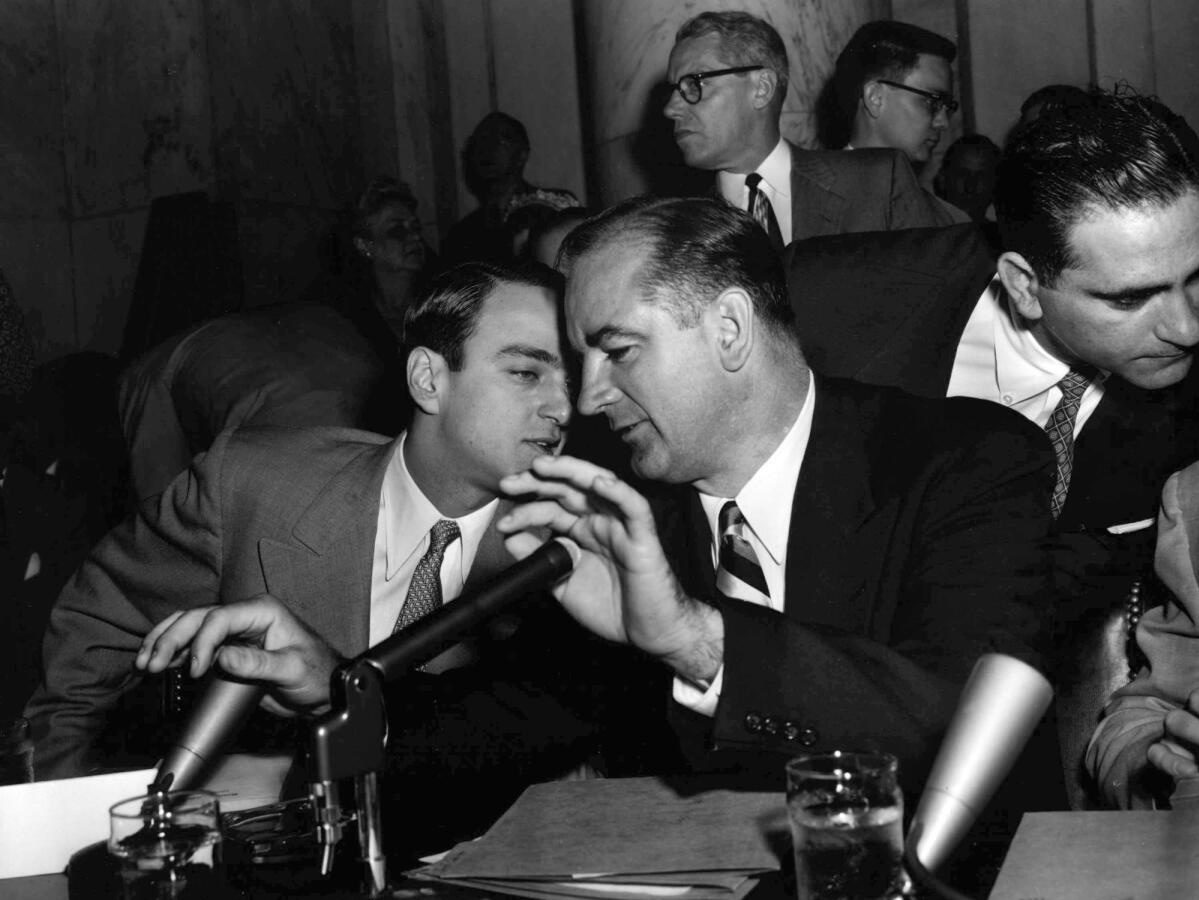
In 1947, the American Motion Picture Producers Association formally announced it would not hire individuals who refused to cooperate with HUAC. This led to the creation of the “blacklist”—a roster of filmmakers deemed disloyal. Inclusion on this list could be based not only on communist association but also on any suspicion or refusal to testify before HUAC. Often, a colleague’s tip was enough.
To avoid being blacklisted, some Hollywood figures cooperated with HUAC and named their peers. A few talented individuals managed to continue their careers by working under pseudonyms or through intermediaries. The most famous case is Dalton Trumbo, who wrote the screenplays for films like “Roman Holiday” (1953) and “The Brave One” (1956), but could only be nominated for awards under different names. The process of rehabilitation didn’t begin until the 1960s. Director Otto Preminger and actor Kirk Douglas publicly declared that Trumbo wrote the screenplay for “Spartacus” (1960), a crucial step toward the list’s undoing. Nevertheless, some artists never fully recovered their careers.
The Hollywood Blacklists became a stark symbol of political repression in the U.S., destroying the lives and careers of hundreds of artists. McCarthyism left a profound mark on the history of American cinema, demonstrating how political pressure can stifle creativity and freedom of speech. While the blacklists were eventually dismantled, these events remain a warning about the dangers of ideological control over art.
Persecution in Other Sectors
When discussing McCarthyism in Los Angeles, Hollywood and the blacklists of actors, directors, and screenwriters are usually mentioned first. However, the anti-communist hysteria also affected other sectors of the city, including education, journalism, the labor movement, and the scientific research that was booming in the region.
In the 1950s, Los Angeles was a major center for education and science, thanks largely to the University of California, Los Angeles (UCLA) and the California Institute of Technology (Caltech). However, these very universities became a battleground for “ideological purity.” In 1949, UCLA leadership required all faculty members to sign a Loyalty Oath—a document demanding a statement of non-involvement in communist ideas. Dozens of professors refused and were fired. At Caltech, where critical military research was conducted, the FBI vetted scientists’ backgrounds. Some physicists who had previously contacted left-leaning movements lost access to classified research, effectively ending their careers. Schoolteachers also came under fire. In 1953, the Los Angeles Unified School District fired over 300 teachers accused of ties to “subversive organizations.”
McCarthyism significantly impacted journalism in Los Angeles. Reporters who questioned HUAC’s investigation methods became targets themselves. The “Los Angeles Daily News” lost some advertisers after publishing a critical piece about the trials of communist suspects. Investigative reporters faced intense pressure. Some were even accused of “sympathizing with the enemy” for interviewing individuals suspected of un-American activities. The popular radio station “KPFK” temporarily ceased broadcasting due to loyalty checks on its staff.
Los Angeles was a hub for the labor movement, especially in the ports and the aerospace industry. The Los Angeles Longshoremen’s Union (ILWU) faced repression because authorities believed its leaders were cooperating with communists. Several activists were forced to leave the city under threat of arrest. In the aviation industry, mass firings occurred for employees suspected of “disloyalty.” Teachers’ and civil servants’ unions were also subjected to checks, leading to dismissals and career destruction.
Also, find out about the first automobile in Los Angeles.