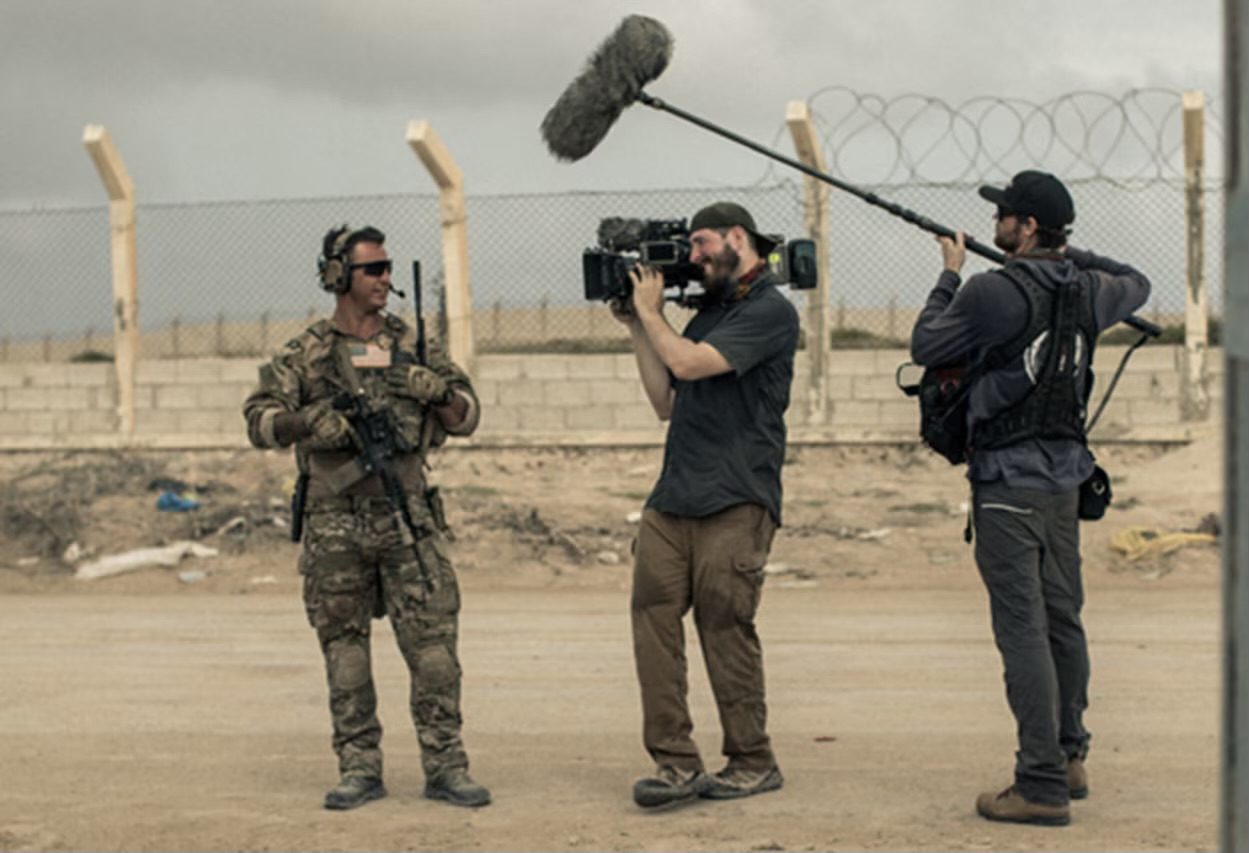

During the 20th-century wars, Hollywood evolved from merely an entertainment industry into a critical tool for propaganda, moral support, and army funding. From World War II through modern conflicts, American cinema played a key role in shaping public opinion and boosting troop morale. You can also find out about the role of Los Angeles women in World War II. Read more at layes.
Hollywood and World War II
World War II was not just a political, social, and economic upheaval for many nations; it also profoundly affected the cultural and media spheres. Hollywood, as one of the largest centers of the film industry, actively engaged in the war effort by creating films that bolstered national morale and served as instruments of propaganda. After the U.S. entered the war, Hollywood was called upon to play a vital role in supporting national patriotism. Film studios actively collaborated with the government to create movies that glorified soldiers’ bravery, emphasized the necessity of supporting the military effort, and rallied against the enemy. These included famous patriotic works such as “The Thin Red Line” (1942), which showcased the heroism of American soldiers on the Pacific front, or “The Fighting Seabees” (1944), which underlined the importance of the naval war. These were not merely entertaining movies, but crucial tools that helped shape public opinion and maintain the nation’s moral fortitude.
Hollywood also actively supported recruitment efforts. Actors and directors organized charity events, performed for troops on the front lines, and recorded speeches to popularize military service. One of the most famous examples was actor Jimmy Stewart, who not only appeared on screen but also served in the U.S. Army Air Forces. Furthermore, many actors joined the military or worked as instructors during that time. Alongside creating patriotic films, Hollywood supported the home front population, notably through financial and material donations to the army and various charitable organizations.
The war had a particularly strong influence on the cinematic portrayal of the enemy. Hollywood actively created stereotypes of Nazis, Japanese, and Italians, which shaped the film industry for years to come. Actors and directors interpreted the enemy images as aggressive and brutal, depicting them as villains seeking world domination. Films like “Johnny Come Lately” (1943) and “Once Upon a Time” (1944) incorporated elements of irony and satire regarding the Nazi regime while also addressing the serious questions of war and its consequences.
The Cold War and the Fight Against Communism
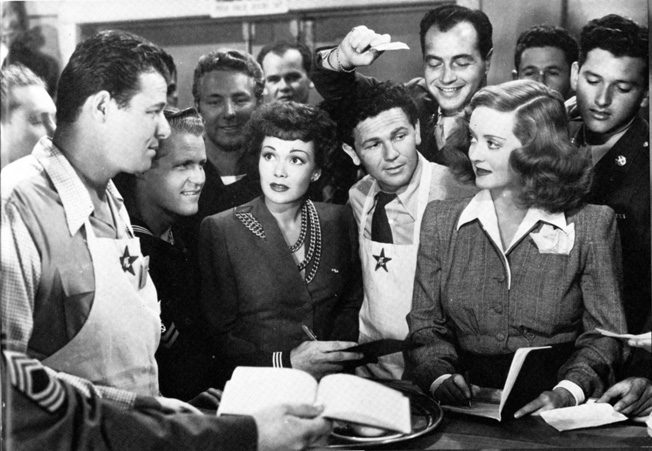
After World War II, the world entered a new era of global tension known as the Cold War. This period between the U.S. and the USSR spanned decades of political struggle, ideological confrontation, and military standoffs, as well as a battle for influence in the cultural sphere. Hollywood, as the largest producer of cinematic content, played a significant role in shaping public opinion. This era became one of the most defining stages in the film industry, as it reflected and actively responded to the Cold War processes and the struggle against communism.
Hollywood was heavily involved in the ideological struggle, producing films that offered a simplified interpretation of the conflict between the two systems, emphasizing the threat of communis and persuading American audiences of the importance of fighting for the “right” side. Films released during this period often depicted the USSR as a country ruled by tyranny, repression, and a non-democratic regime, while the U.S. was presented as a symbol of freedom and individual rights.
One of the most regrettable chapters in Hollywood’s reaction to the Cold War was the process known as McCarthyism. During the late 1940s and 1950s, the film industry saw mass purges fueled by suspicion of links to communist organizations. Senator Joseph McCarthy spearheaded a campaign against perceived communists in government, the film industry, and other sectors of public life. Hundreds of people, including famous actors, directors, and screenwriters, were placed on a “blacklist,” leading to significant career and financial losses. With the onset of the Cold War, Hollywood also saw shifts in genre preferences. Spy thrillers, science-fiction films, and military dramas became crucial components of cinema during this period. Films highlighting the war and the fight against communism often utilized the genres of “fantasy” and “post-apocalypse” to depict global danger.
The Vietnam and Iraq Wars
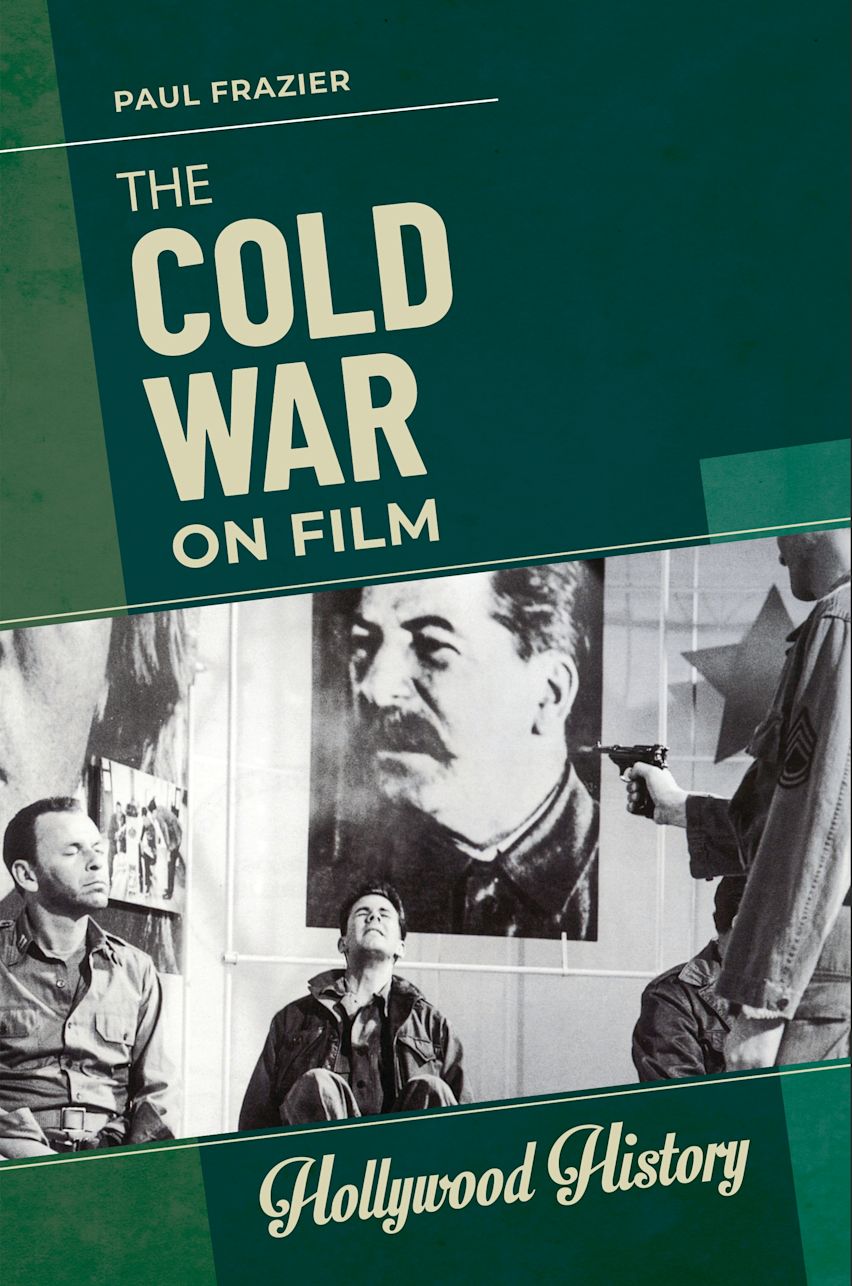
The Vietnam and Iraq Wars became pivotal historical events that directly influenced the cultural sphere, particularly cinema. Hollywood, as the center of the global film industry, actively responded to these conflicts by creating films that reflected the events, moral dilemmas, and societal consequences of the military campaigns. Hollywood’s pictures not only influenced public opinion but also helped shape the collective memory of these wars.
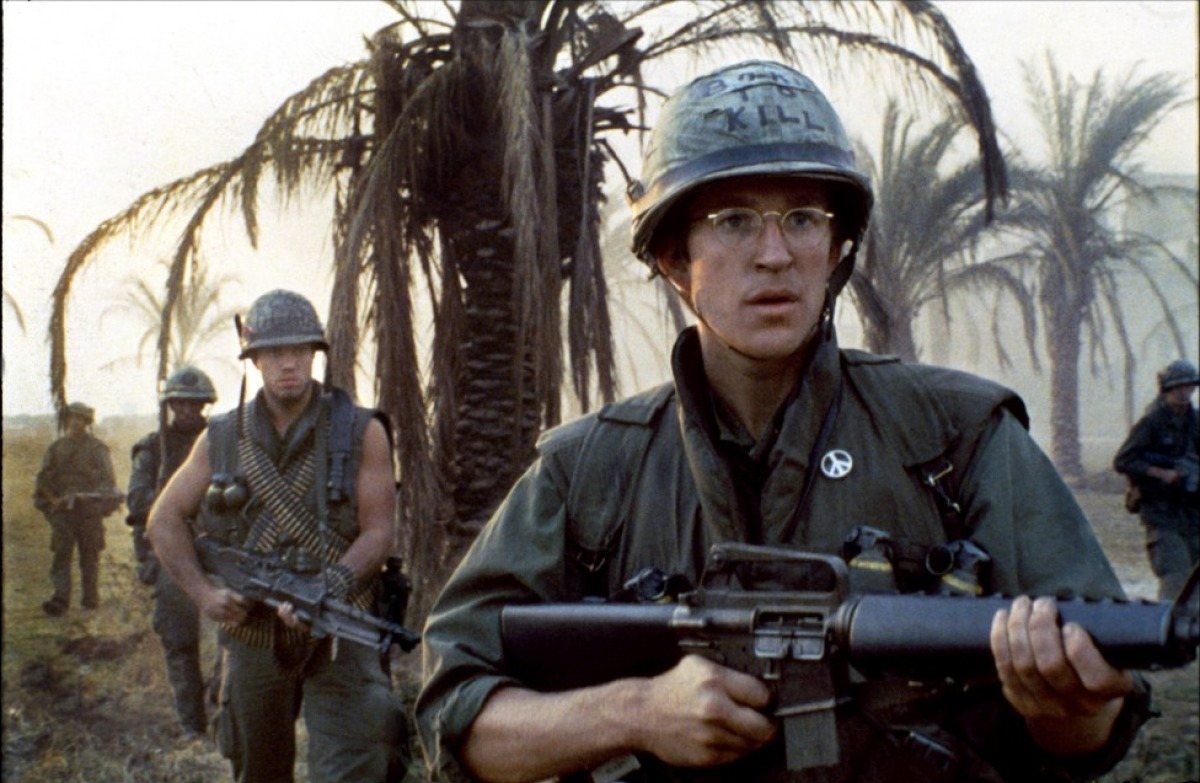
The Vietnam War became the source of countless cinematic explorations. The United States, which entered the war on the side of the South Vietnamese government against communist forces in North Vietnam, suffered a high number of casualties and faced a major societal split. Hollywood responded by reflecting these events in films that not only showed the heroism of American soldiers but also exposed the deep moral and ethical questions of the war. Early in the conflict, Hollywood continued to produce films that praised U.S. military efforts, including patriotic movies like “You Only Live Twice” (1967) or “The Green Berets” (1968). These films presented the American military as fighters for freedom and democracy. However, from the mid-1960s onward, as public opinion began to divide over reports of the war’s inhumane conditions and futility, Hollywood started creating films that were critical of U.S. military policy. The most famous include Francis Ford Coppola’s “Apocalypse Now” (1979), which depicts the moral and physical exhaustion of soldiers, and “Coming Home” (1978), which offers a stark look at the war’s impact on people’s psyche.
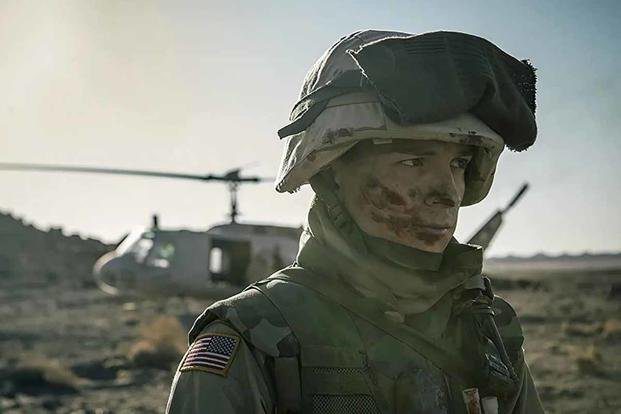
The Iraq War, which began in 2003, became a critical aspect of modern American foreign policy, and Hollywood did not shy away from the event. The Iraq campaign, particularly the invasion under the pretense of weapons of mass destruction, sparked a great deal of controversy both in the U.S. and globally. Hollywood actively responded by creating films that often highlighted political manipulation, the brutality of war, and moral questions surrounding the invasion. From the war’s beginning, some films supported the military operation and tried to present the U.S. as a country bringing democracy and freedom to Iraq. One such film was “The War Within” (2005), which showed the heroism of soldiers during combat in Iraq, emphasizing their dedication and patriotism. However, over time, Hollywood began producing films that criticized the wars and the political decisions behind them. “The Hurt Locker” (2009) and “Redacted” (2007, originally “War Child” was another film) explored the devastating consequences of the conflict for both military personnel and the Iraqi civilian population.
Hollywood and the Pentagon
Hollywood and the Pentagon—two powerful symbols of American culture and government authority—have collaborated for decades in creating films that portray military conflicts, army heroism, and patriotism.
In the collaboration between Hollywood and the Pentagon, not only is technical and material assistance important, but also the strategic role of films in shaping public opinion. The U.S. government uses cinema as a vital propaganda tool, maintaining the image of service members as heroes fulfilling their duty to the country. Films made with Pentagon assistance often depict the military as an effective and disciplined force, ready for any threat, while also emphasizing the moral journey soldiers undergo in combat situations. This strategy helps strengthen the army’s positive image among the public and fosters a patriotic attitude toward the country’s military efforts.